Dental Crown vs. Dental Implant: 5 Critical Signs You Need an Implant for a Lasting Smile
Restoring your smile and ensuring optimal oral health often involves a crucial decision between two prominent dental procedures: dental crowns and dental implants. While both offer effective solutions for various dental issues, their applications, benefits, and long-term outcomes differ significantly. A dental crown functions as a cap, meticulously designed to cover and protect a damaged tooth, preserving its natural structure when possible. It restores the tooth’s original shape, size, strength, and appearance, typically recommended for teeth that have suffered from substantial decay, fractures, or after root canal therapy.
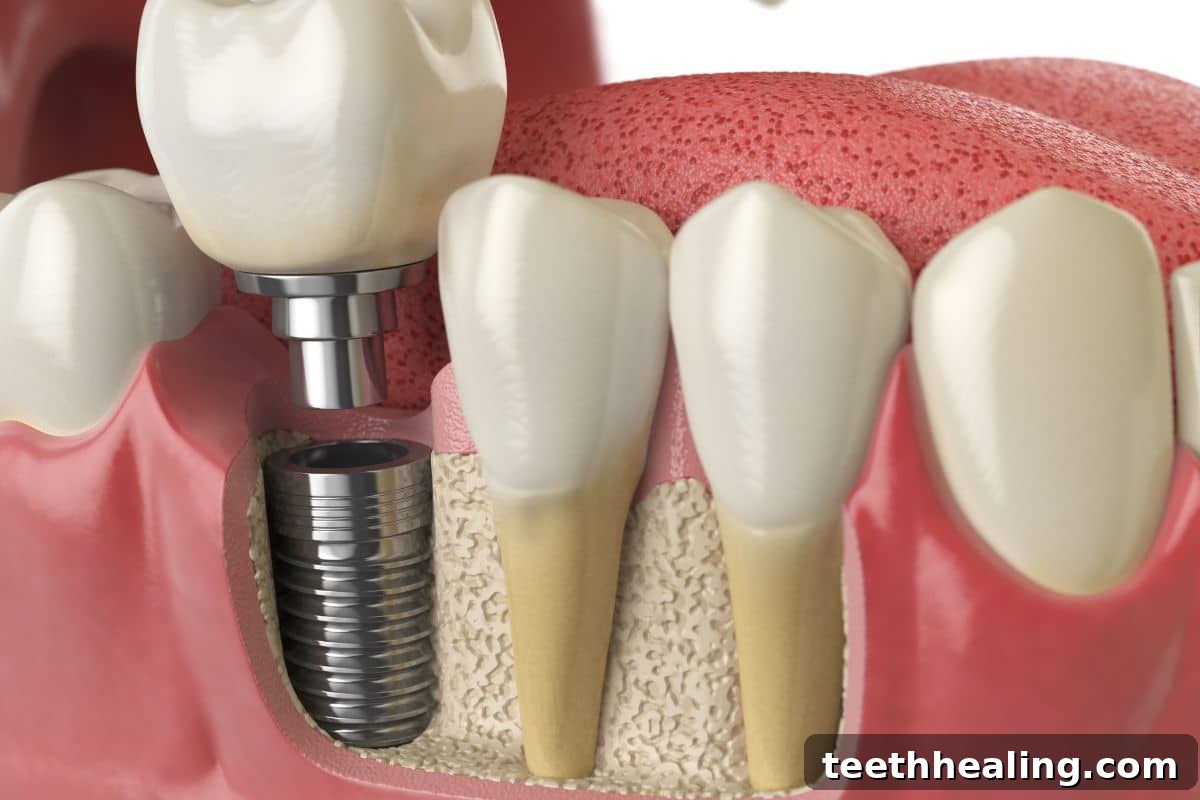
In contrast, a dental implant provides a comprehensive solution for replacing an entire missing tooth, including its vital root structure. This advanced procedure involves surgically placing a durable titanium post into the jawbone, which then undergoes a process called osseointegration, fusing directly with the bone. This integrated post serves as an exceptionally stable and long-lasting anchor for a custom-made prosthetic crown. Choosing the right option is paramount not only for immediate comfort and aesthetics but also for the enduring health of your entire oral system. An incorrect decision can unfortunately lead to recurring dental problems, persistent discomfort, and the need for costly corrective treatments down the line.
This comprehensive guide is designed to illuminate the critical distinctions between crowns and implants, specifically focusing on five definitive warning signs that indicate when a dental implant is not just a viable alternative but often the superior, and indeed necessary, choice for securing a healthy, functional, and radiant smile for years to come.
Understanding When an Implant Becomes Essential: Five Key Warning Signs
While dental crowns are invaluable for preserving compromised natural teeth, there are specific scenarios where the damage or loss is too extensive for a crown to provide a reliable, long-term solution. In such cases, dental implants emerge as the gold standard, offering stability, durability, and a host of benefits that traditional restorations simply cannot match. Here are five crucial indicators that suggest a dental implant may be the best path forward for your oral health.
Warning Sign #1 – Severe Tooth Damage: When a Crown Can’t Hold On
A dental crown excels in situations where a tooth has moderate damage but retains sufficient healthy structure to support the restoration securely. However, when a tooth suffers from extensive damage, such as a large fracture that extends deep below the gum line, or widespread decay that has compromised the majority of the tooth’s foundational integrity, the remaining natural tooth structure becomes an unreliable base for a crown. Imagine a tree with a significantly weakened trunk; simply adding a new branch won’t make it stable. Similarly, attempting to place a crown on a severely compromised tooth often results in a temporary fix, prone to failure, dislodgement, or further breakdown of the underlying tooth.
In these challenging cases, where the tooth’s structural integrity is fundamentally undermined, a dental implant offers a permanent and robust solution. Rather than trying to salvage an unstable foundation, an implant completely replaces the compromised tooth. This process eliminates reliance on the damaged natural structure altogether, restoring full function and a natural appearance without the risk of future structural collapse. It’s a proactive step that prevents ongoing issues and provides unparalleled stability by anchoring directly into your jawbone.
Warning Sign #2 – Infected Tooth Root: Beyond the Reach of a Crown
When a dental infection penetrates deep into the tooth’s root system, the problem escalates in complexity and severity. Root canal therapy is often the first line of defense, designed to save the tooth by removing the infected pulp and sealing the root canals. While successful in many instances, repeated infections, persistent pain, or a chronic presence of infection around the root (periapical lesion) signal an underlying issue that a dental crown cannot possibly resolve. A crown, by its nature, only covers and protects the visible portion of the tooth; it has no therapeutic effect on an ongoing infection within the root or surrounding bone.
For recurrent or untreatable root infections, a dental implant offers a definitive long-term solution by bypassing the infected tooth entirely. The removal of the irreversibly infected tooth and its root eliminates the source of the problem. This is then followed by the precise placement of a sterile titanium implant post, which integrates directly with your healthy jawbone. This approach effectively eradicates the chronic infection and provides a stable, biocompatible, and infection-free replacement, precluding the need for endless cycles of root canal retreatment or other temporary measures.
Warning Sign #3 – Multiple Failed Crowns: Breaking the Cycle of Restorations
Experiencing repeated crown failures on the same tooth over time is a significant warning sign that the underlying issue may be more profound than just a faulty restoration. Frequent dislodgements, fractures, or recurrent decay beneath crowns often indicate that the natural tooth structure is progressively weakening or is simply no longer robust enough to support another restorative effort. Each time a crown fails and needs replacement, the remaining tooth structure often undergoes further preparation, progressively reducing its mass and making it even more challenging to achieve a stable bond.
At this juncture, continuing to place new crowns becomes a futile exercise, leading to mounting frustration, escalating costs, and a diminishing chance of success. Opting for a dental implant at this stage makes profound sense. Implants offer a completely independent and permanent solution by anchoring directly into the jawbone, bypassing the compromised natural tooth altogether. Unlike crowns, which rely on the integrity of natural tooth structure for their stability, implants derive their strength and reliability from their integration with bone, providing unparalleled longevity and ending the cycle of repeated failures.
Warning Sign #4 – Insufficient Tooth Structure: When There’s Nothing Left to Crown
Sometimes, the extent of damage from decay, trauma, or previous dental work leaves so little healthy tooth structure that a traditional crown simply cannot be reliably placed. A crown requires a substantial and healthy base for proper adhesion, retention, and to distribute chewing forces effectively. If the tooth is too short, extensively broken down, or severely weakened by large fillings, there simply isn’t enough solid material to create a secure foundation for the crown, leading to a high risk of failure or fracture.
In scenarios where the natural tooth is significantly compromised, a dental implant stands out as the best and most durable missing tooth replacement option. Implants entirely replace the tooth, from the root embedded in the jawbone up to the visible crown. This eliminates the need for any remaining natural tooth structure, ensuring stability and fully restoring chewing ability, speech, and aesthetics. Furthermore, by replacing the entire tooth, dental implants play a crucial role in preventing further jawbone loss, a common and concerning consequence when teeth are missing for extended periods.
Warning Sign #5 – Missing Tooth: The Foundation for Complete Restoration
Perhaps the most obvious and critical warning sign for considering a dental implant is the absence of a tooth itself. A missing tooth does more than just create an aesthetic gap in your smile; it initiates a cascade of detrimental effects on your oral health. The adjacent teeth tend to shift into the empty space, disrupting your bite and potentially leading to misalignment and TMJ issues. More critically, the bone in the area where the tooth is missing no longer receives stimulation from chewing, leading to a gradual and irreversible deterioration of the jawbone. This bone loss can affect facial aesthetics and compromise the stability of neighboring teeth.
Among all restorative options, a dental implant is widely regarded as the most substantial, functional, and permanent replacement for a missing tooth. Unlike a dental bridge, which requires grinding down healthy adjacent teeth to serve as anchors, or partial dentures, which can be less stable and potentially irritating, a dental implant is a standalone solution. It preserves the health and integrity of your natural neighboring teeth and, crucially, stimulates the jawbone to prevent bone loss. An implant integrates seamlessly, functioning, feeling, and looking almost identical to a natural tooth, empowering you to eat, speak, and smile with complete confidence and without reservation.
Beyond the Warning Signs: The Unmatched Benefits of Dental Implants
While the five warning signs clearly indicate scenarios where dental implants are indispensable, it’s equally important to understand the broader advantages that make them a preferred choice for comprehensive oral restoration. Their unique design and integration with your body offer benefits that extend far beyond simply replacing a tooth.
- Exceptional Longevity and Durability: With diligent oral hygiene and regular dental check-ups, dental implants are designed to last a lifetime. Unlike crowns, which typically have a lifespan of 10 to 15 years and may require eventual replacement, the titanium implant post can endure for decades, often outliving the patient. This longevity translates into fewer future dental procedures and long-term cost savings.
- Preservation of Jawbone Health: This is arguably one of the most significant advantages of dental implants. When a natural tooth root is lost, the jawbone in that area begins to resorb and deteriorate due to lack of stimulation. A dental implant, through the process of osseointegration, mimics the natural tooth root, providing the necessary stimulation to the bone. This prevents bone loss, preserves the integrity of your facial structure, and maintains the support for surrounding teeth.
- Natural Aesthetics and Functionality: Dental implants are custom-designed to blend seamlessly with your natural teeth. The prosthetic crown attached to the implant is matched in color, shape, and size, making it virtually indistinguishable from your natural dentition. Furthermore, because implants are firmly anchored in the jawbone, they restore nearly 100% of your chewing power, allowing you to enjoy all your favorite foods without restriction or discomfort, just like natural teeth.
- Improved Oral Health and Hygiene: Unlike dental bridges, which require the alteration of adjacent healthy teeth and can create challenges for cleaning underneath, dental implants are independent restorations. They do not rely on or affect neighboring teeth, simplifying daily oral hygiene practices. You can brush and floss around an implant just as you would with your natural teeth, reducing the risk of plaque buildup and gum disease.
- Enhanced Quality of Life and Confidence: The restoration of a full, healthy smile with dental implants dramatically boosts self-esteem and quality of life. The stability and natural feel of implants eliminate concerns about dentures slipping or difficulties with speech. Patients can confidently eat, speak, and smile in social situations, knowing their teeth look and function perfectly.
The Dental Implant Process: What to Expect
Understanding the general process of receiving a dental implant can help demystify the procedure and ease any anxieties. The journey typically begins with a thorough consultation, where your dentist will assess your oral health, take X-rays and 3D scans, and discuss your treatment goals. If you’re deemed a suitable candidate, the next step involves the surgical placement of the titanium implant post into the jawbone. This is usually done under local anesthesia, ensuring comfort. A healing period, often lasting several months, follows, during which osseointegration occurs – the vital process where the implant fuses with your bone. Once healed, a small connector (abutment) is placed on the implant, and finally, a custom-made crown is attached, completing your new, permanent tooth.
Frequently Asked Questions About Dental Implants
Q: How long does a dental implant last compared to a crown?
A: Dental implants are renowned for their exceptional longevity. With proper oral hygiene, regular dental check-ups, and diligent care, the titanium implant post itself can often last a lifetime. The custom crown attached to the implant typically lasts 10 to 20 years or even longer, similar to a natural crown, but can be replaced without affecting the integrated implant post. In contrast, traditional dental crowns generally have a lifespan of 10 to 15 years before they may require replacement.
Q: Is the dental implant procedure painful?
A: The dental implant procedure is typically performed under local anesthesia, ensuring that you remain comfortable and pain-free throughout the surgery. Many patients report that the discomfort during and after the procedure is surprisingly minimal, often comparable to a routine tooth extraction. Your dentist may also offer sedation options to help you relax during the appointment. Any post-operative discomfort can usually be managed effectively with over-the-counter pain relievers and prescribed medication if necessary.
Q: Can everyone get a dental implant?
A: Most healthy adults are excellent candidates for dental implants. However, certain factors are crucial for successful osseointegration and long-term success. Your dentist will conduct a comprehensive evaluation of your oral health, including assessing your jawbone density and overall systemic health. Conditions such as uncontrolled diabetes, significant gum disease, heavy smoking, or insufficient jawbone volume may affect eligibility. If bone volume is an issue, bone grafting procedures can often be performed to create a suitable foundation for the implant.
Q: What is osseointegration, and why is it important?
A: Osseointegration is a biological process where the titanium dental implant post directly fuses with the surrounding jawbone. This crucial process creates an incredibly strong and stable anchor, allowing the implant to function just like a natural tooth root. It’s vital because it provides the unparalleled stability and durability that distinguishes dental implants from other tooth replacement options, ensuring the implant can withstand chewing forces and support a prosthetic crown for many years.
Q: How do I care for my dental implant?
A: Caring for your dental implant is very similar to caring for your natural teeth, emphasizing consistent oral hygiene. This includes brushing twice daily with a soft-bristled toothbrush, flossing daily (using special floss for implants if recommended), and using an antimicrobial mouthwash. Regular dental check-ups and professional cleanings are also essential to monitor the health of your implant, surrounding gum tissues, and overall oral health. Proper care helps prevent peri-implantitis, a condition similar to gum disease that can affect implants.
Take the Next Step Towards a Restored Smile
Don’t let dental uncertainties compromise your oral health or diminish your confidence. If you recognize any of these critical warning signs, or simply wish to explore the best and most enduring options for your unique smile needs, the time to act is now. Dental implants offer a modern, incredibly long-lasting, and highly effective solution that not only prevents further complications but also profoundly enhances your overall oral health and quality of life.
Our dedicated team of implant dentistry specialists is ready to provide a thorough, personalized evaluation, discussing your specific condition and crafting a treatment plan tailored just for you. For residents in or around Palm Desert, taking the first decisive step toward a healthy, radiant, and fully functional smile is simple. Schedule your comprehensive consultation today and embark on your journey to a confident, lasting smile.