Missing back teeth often cause more disruption to daily life than people expect. Tasks like chewing a steak, cracking nuts, or speaking clearly can become difficult when molars are gone. Dental implants are a reliable option for replacing missing molars because they restore bite strength, comfort, and long-term support.
At Palm Desert Dentist, Dr. Robert McLachlan Jr provides individualized care and comprehensive treatment planning to help patients regain function and confidence.
Meet Dr. Robert McLachlan Jr

Dr. Robert McLachlan Jr is a prosthodontist practicing in Palm Desert, CA. He received his dental degree from the University of Southern California and completed a certificate in Prosthodontics along with a Master’s in Oral Science from the University of Iowa.
With nearly 25 years of experience in dental restorations, TMJ treatment, and implant dentistry, Dr. McLachlan Jr focuses on creating treatment plans tailored to each patient’s needs.
Outside the practice he enjoys hiking, golf, skiing, scuba diving, and traveling with his family.
If you are considering options for replacing missing molars, call the dentist to discuss a personalized plan.
Quick Answer
Are dental implants a good option for missing molars?
Yes. Dental implants are frequently among the best solutions for replacing missing molars. They restore chewing power, help maintain jawbone health, and prevent adjacent teeth from drifting. Many patients prefer implants because they feel stable and function like natural teeth.
Key Observations
- Dental implants securely replace missing molars.
- They help protect the jawbone from further bone loss.
- After healing, most patients regain normal chewing ability.
- With proper maintenance, dental implants can last many years.
Why Missing Molars Matter
Molars perform most of the heavy chewing in the mouth. When one or more molars are missing, surrounding teeth can shift, which affects bite alignment and function.
Consequences of missing molars can include:
- Bite misalignment
- Increased strain on the jaw
- Uneven chewing patterns
- Localized bone loss where the tooth is missing
- Increased risk of gum problems
Delaying replacement of missing teeth can make treatment more complex over time. Dental implants help close gaps and prevent further complications.
How Dental Implants Replace Missing Molars
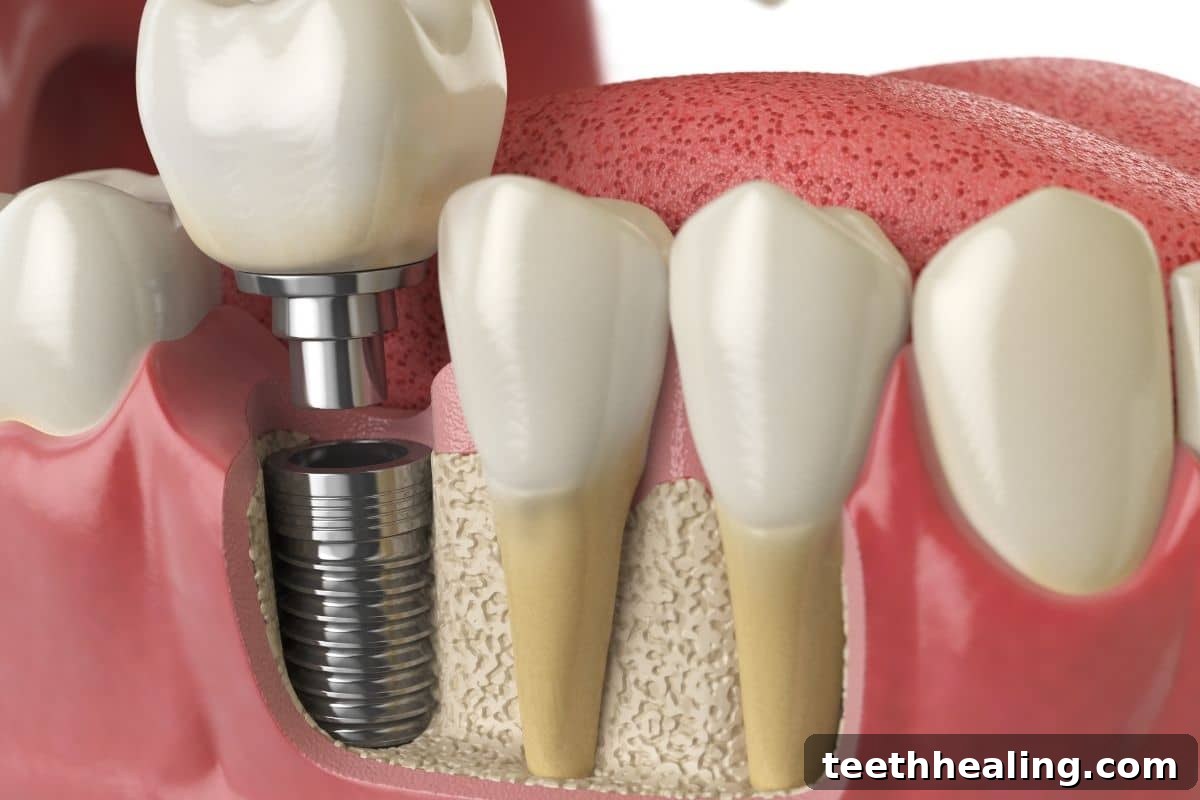
A dental implant replaces a molar by placing a small titanium post into the jawbone. This post functions like a natural tooth root and provides a stable foundation.
After the site heals and integrates with the bone, a custom crown is attached to the implant. The result is a strong chewing surface that looks and feels natural.
Implants help patients:
- Eat more comfortably and confidently
- Speak without difficulty caused by missing teeth
- Maintain balanced appearance and facial support
- Protect adjacent teeth from shifting or damage
- Preserve jawbone integrity
For many adults, implants provide a more secure solution than removable options like partial dentures.
Who Is a Good Candidate?
Many healthy adults are candidates for dental implants. A clinical exam and X-rays evaluate bone quantity, gum health, and overall oral condition to determine suitability.
Good candidates typically have:
- Healthy gums free of active infection
- Adequate jawbone volume or potential for grafting
- Consistent oral hygiene habits
- No uncontrolled systemic conditions that would impede healing
When bone loss is present, a bone graft may be recommended to rebuild support before implant placement.
Benefits of Choosing Dental Implants
Strong Chewing Power
Molars endure significant bite forces. Implants restore that strength and allow most patients to return to regular eating habits.
Bone Support
Implants stimulate the jawbone and help prevent the bone resorption that follows tooth loss.
Long-Term Stability
With consistent home care and regular dental visits, implants can provide many years of reliable service.
Natural Appearance
Implant-supported crowns are customized to blend with surrounding teeth and help preserve natural facial contours.
How Long Does Treatment Take?
The implant process typically spans several months. Exact timing depends on factors such as bone quality, the need for grafting, and the number of implants.
A typical timeline is:
| Stage | Estimated Time |
|---|---|
| Consultation | 1 Visit |
| Implant Placement | 1 Day |
| Healing Period | 3 to 6 Months |
| Final Crown Placement | Final Visit |
Most patients experience mild soreness for a few days after surgery, which is typically managed with over-the-counter or prescribed medications.
Caring for Dental Implants
Implants require the same daily care as natural teeth to remain healthy and functional.
Recommended habits include:
- Brushing twice daily with a soft-bristled brush
- Flossing around the implant and adjacent teeth
- Keeping routine dental cleanings and checkups
- Avoiding tobacco use to promote healing and long-term health
- Wearing a nightguard if you grind your teeth
Consistent home care and professional maintenance greatly increase the chances of long-term implant success.
Local Information for Patients
Palm Desert Dentist is located at:
73993 CA-111 Suite 200, Palm Desert, CA 92260, United States
The office is near several local landmarks that make visits convenient for patients and accompanying family members.
Nearby places include:
- Civic Center Park
- The Gardens on El Paseo
- Palm Desert Aquatic Center
- Westfield Palm Desert
Family members waiting during treatment can visit nearby cafés such as:
- Wilma & Frieda’s Cafe
- Starbucks on CA-111
- IW Coffee
These nearby amenities help make longer dental visits more comfortable and convenient.
Why Many Patients Choose This Treatment
Dental implants offer improved comfort and function compared with leaving gaps untreated or relying solely on removable appliances. Replacing missing molars promptly can prevent jaw strain and shifting of remaining teeth.
Patients in Palm Desert often choose implants because they want a durable, natural-feeling solution that supports daily activities like eating and speaking.
Conclusion
Missing molars affect chewing, speech, and overall oral comfort. Dental implants restore stable support and help many patients regain normal function and confidence.
If you are considering treatment for missing molars, schedule a consultation at Palm Desert Dentist to explore options and develop a plan that meets your oral health goals.
FAQs on Dental Implants
Healing varies by individual. Many patients require several months of healing before the final restoration is placed.
Yes. After full healing and restoration, many patients regain the ability to chew tougher foods comfortably.
Most patients experience only mild discomfort that is manageable with medication and rest.
Bone grafting is often recommended to rebuild sufficient support before placing implants.
Yes. Many older adults are appropriate candidates provided they have healthy gums and adequate bone support.
Gentle brushing, careful flossing, and regular dental visits are recommended to maintain long-term oral health.