Are Dental Implants Right for You? Understanding Key Factors for Successful Treatment
Dental implants represent a revolutionary advancement in restorative dentistry, offering a durable and aesthetically pleasing solution for replacing missing teeth. They are widely celebrated for their ability to restore function, preserve jawbone integrity, and enhance the quality of life for countless individuals. However, while dental implants are a highly effective treatment for many, they are not universally suitable. A thorough evaluation by a qualified dental professional is crucial to determine if you are an ideal candidate for this sophisticated procedure. Understanding the various factors that can influence implant success is essential for making an informed decision about your oral health journey. This comprehensive guide will explore the primary reasons why dental implants might not be the best option for everyone, helping you understand the important considerations involved.
When Dental Implants May Not Be Your Best Option: Important Considerations
Embarking on the journey of dental implant treatment requires a careful assessment of several crucial factors, ranging from your oral health status to your overall systemic well-being and lifestyle. While the goal is always to achieve optimal long-term success, certain conditions can significantly increase the risks or compromise the stability of dental implants. Let’s delve into the specific circumstances where implants might be contraindicated or require extensive preliminary treatments.
1. Compromised Oral Health
The foundation for successful dental implants is a healthy oral environment. Any pre-existing or untreated oral health issues can significantly jeopardize the integration and longevity of your implants.
- Active Gum Disease (Gingivitis and Periodontitis): Gum disease, especially advanced periodontitis, is a major contraindication for immediate implant placement. Gingivitis is the initial stage, characterized by inflammation of the gums, while periodontitis involves the destruction of the bone and tissues supporting the teeth. The presence of active bacterial infection and inflammation around the implant site can prevent proper osseointegration (the fusion of the implant with the jawbone) and lead to peri-implantitis, a serious infection that can cause implant failure. It is imperative that any existing gum disease is thoroughly treated and brought under control before considering implant surgery. Your dentist will ensure your gums are healthy and stable to provide the best possible environment for your new implants.
- Untreated Cavities and Dental Infections: Cavities, particularly those in teeth adjacent to the proposed implant site, can harbor harmful bacteria. These bacteria can easily spread to the surgical area, increasing the risk of infection and complications during and after implant placement. Similarly, any active dental infections, abscesses, or root canal issues must be resolved prior to implant surgery to create a sterile and conducive environment for healing. Addressing these issues beforehand minimizes the chance of early implant failure and promotes a smoother recovery.
- Other Oral Health Issues: Conditions such as oral thrush (a fungal infection) or severe dry mouth (xerostomia) can also impact implant health. Dry mouth, often a side effect of certain medications or medical conditions, reduces saliva flow, which is vital for neutralizing acids, washing away food particles, and controlling bacterial growth. A compromised oral environment due to lack of saliva can increase the risk of infection around the implants and affect overall oral hygiene, making meticulous care more challenging.
2. Insufficient Jawbone Density and Quality
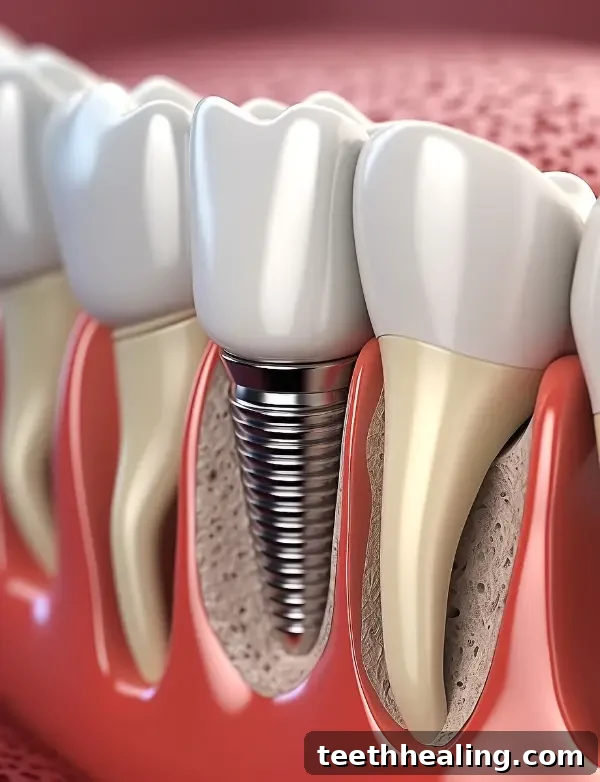
For a dental implant to succeed, it must firmly integrate with adequate, healthy bone. The jawbone provides the necessary anchor for the titanium post, and without sufficient density or volume, the implant cannot achieve stability.
- Significant Bone Loss: The jawbone naturally starts to resorb (deteriorate) once a tooth is lost, as it no longer receives the stimulation from chewing. Factors such as prolonged tooth absence, age, trauma, or certain medical conditions (like advanced periodontal disease) can lead to substantial jawbone loss. If there isn’t enough bone height, width, or density, the implant won’t have the necessary support to fuse properly, increasing the risk of failure. In such cases, preliminary procedures like bone grafting (e.g., sinus lift, ridge augmentation) may be required to rebuild the bone before implant placement. These procedures add to the treatment time and cost, and not all patients are suitable for or willing to undergo them.
- Osteoporosis or Other Bone Disorders: Osteoporosis, a condition that causes bones to become weak and brittle throughout the body, can affect the density and quality of the jawbone. While not an absolute contraindication, individuals with osteoporosis, especially those undergoing treatment with certain medications (like bisphosphonates), may have weaker jawbones that are less capable of supporting implants and may exhibit impaired healing. A comprehensive medical history and bone density assessment are crucial for patients with osteoporosis to evaluate the potential risks and determine if implants are still a viable option, possibly with modifications to the treatment plan.
3. Certain Systemic Health Conditions
Your overall health plays a critical role in the success of dental implant surgery and subsequent healing. Some systemic conditions can directly interfere with the body’s ability to heal and integrate the implant.
- Uncontrolled Diabetes: Diabetes, particularly when blood sugar levels are poorly managed, can significantly impair the body’s healing capacity and increase susceptibility to infections. High blood glucose levels negatively impact microvascular circulation, reducing blood flow to the surgical site and hindering the delivery of essential nutrients and immune cells needed for proper bone healing and osseointegration. Diabetics also tend to have a higher risk of developing peri-implantitis. While well-controlled diabetes is often not a contraindication, patients must work closely with their medical doctor to ensure their condition is stable before and after implant surgery.
- Certain Heart Conditions: Individuals with specific heart conditions, especially those requiring anticoagulant medications (blood thinners) or prophylactic antibiotics due to a history of endocarditis or artificial heart valves, need careful consideration. Blood thinners increase the risk of bleeding complications during surgery, while some heart conditions can affect blood flow and the body’s overall healing response. A thorough consultation with both your dentist and cardiologist is essential to manage any potential risks and adjust medication protocols if necessary.
- Autoimmune Disorders and Immunosuppression: Conditions such as rheumatoid arthritis, lupus, or Crohn’s disease, particularly when managed with immunosuppressive medications, can weaken the immune system. A compromised immune response makes individuals more susceptible to infections and can impair the healing process, increasing the risk of implant failure. Patients on long-term corticosteroid therapy may also experience compromised bone metabolism and healing. Each case must be evaluated individually, with a focus on controlling the underlying condition and optimizing immune function.
- Radiation Therapy to the Head and Neck: Patients who have undergone radiation therapy to the head and neck region for cancer treatment face a higher risk of complications with dental implants. Radiation can damage the jawbone and surrounding soft tissues, reducing their blood supply and healing capacity, leading to a condition called osteoradionecrosis (ORN). This makes the bone more fragile and less able to integrate implants successfully. In some instances, hyperbaric oxygen therapy may be recommended before and after implant placement to improve blood flow and reduce the risk of ORN, but suitability is highly case-dependent.
- Other Severe Medical Conditions: Conditions like uncontrolled hypertension, bleeding disorders, kidney disease, or extensive cancer treatments can also pose significant risks. A comprehensive review of your medical history by your dental team and, often, a consultation with your physician, is vital to ensure your body is strong enough to undergo and recover from implant surgery.
4. Smoking and Tobacco Use
Smoking is one of the most significant risk factors for dental implant failure and complications. Its detrimental effects on oral health and healing are well-documented.
- Profound Healing Impairment: Smoking dramatically hinders the body’s natural healing processes. Nicotine constricts blood vessels, reducing vital blood flow, oxygen, and nutrient delivery to the surgical site. This deprives the bone and soft tissues of the resources needed for regeneration and successful osseointegration. Smokers often experience delayed healing, increased post-operative pain, and a higher incidence of dry socket.
- Increased Risk of Complications and Failure: Smokers are significantly more prone to developing peri-implantitis, a severe inflammatory condition around the implant that can lead to bone loss and eventual implant failure. The toxins in tobacco smoke also compromise the immune system, making smokers more susceptible to bacterial infections. Many dentists strongly recommend or even require patients to cease smoking entirely for a specific period before and after implant surgery to maximize the chances of success. Continued smoking dramatically increases the long-term failure rate of dental implants.
5. Certain Medications
Some prescription medications can impact bone metabolism, blood clotting, and the body’s overall healing capacity, making them crucial considerations for implant candidacy.
- Blood Thinners (Anticoagulants): Medications such as warfarin, aspirin, clopidogrel, or newer oral anticoagulants can increase the risk of excessive bleeding during and after dental implant surgery. While often necessary for managing cardiovascular conditions, these medications require careful management. Your dentist will consult with your physician to determine if it’s safe to temporarily adjust or stop your medication before surgery, or if specific precautions (like altered surgical techniques or post-operative care) need to be taken to minimize bleeding risks.
- Bisphosphonates and Other Antiresorptive Drugs: These medications are commonly prescribed to treat osteoporosis, certain cancers (e.g., multiple myeloma, metastatic breast cancer), and Paget’s disease to prevent bone loss. However, they can interfere with normal bone turnover and healing, potentially leading to a rare but serious complication called medication-related osteonecrosis of the jaw (MRONJ). This condition involves the death of jawbone tissue and can be extremely challenging to treat. The risk of MRONJ is higher with intravenous bisphosphonates than with oral forms, and it’s essential to disclose your full medication history so your dentist can assess your risk and recommend appropriate treatment strategies, which may include a “drug holiday” or alternative treatment options.
- Corticosteroids and Immunosuppressants: Long-term use of corticosteroids can affect bone density and wound healing, while immunosuppressants (often used after organ transplants or for autoimmune diseases) increase infection risk, similar to autoimmune disorders themselves.
6. Financial Investment
While the long-term benefits of dental implants are substantial, the initial cost can be a significant barrier for some individuals.
- Significant Upfront Investment: Dental implants represent a considerable financial commitment. The cost encompasses not only the implant post itself but also the abutment (connector) and the final restoration (crown, bridge, or denture), as well as diagnostic imaging, surgical procedures, and any necessary preliminary treatments like extractions or bone grafting. These multiple stages and components contribute to the overall expense, which can be higher than conventional alternatives like dentures or bridges. It’s important to view this as a long-term investment in your oral health, function, and quality of life, as implants can last for decades with proper care.
- Insurance Coverage: Dental insurance plans vary widely in their coverage for implant procedures. While some plans may cover a portion of the surgical component or the final crown, many consider implants a major restorative procedure and may not cover the full cost, or may have annual limits. It is crucial to thoroughly investigate your insurance benefits and discuss payment options, financing plans, or phased treatment with your dental office to understand the total out-of-pocket expenses before proceeding.
7. Allergy to Materials
Though rare, an allergy to the materials used in dental implants can prevent successful treatment.
- Titanium Allergy: The vast majority of dental implants are made from medical-grade titanium due to its exceptional biocompatibility and ability to osseointegrate with bone. However, a very small percentage of the population may exhibit an allergic reaction to titanium. Symptoms might include persistent inflammation, pain, or failure of the implant to integrate. If you have a known history of metal allergies, especially to titanium or nickel (which can be present in trace amounts in some alloys), it is imperative to discuss this with your dentist.
- Other Materials: For individuals with confirmed titanium allergies or strong sensitivities, alternative implant materials like zirconia (a ceramic material) are available. Zirconia implants are metal-free and offer another biocompatible option, though they may not be suitable for all clinical situations and are not as widely used as titanium. Your dentist can perform specific tests or consider alternative materials if a material allergy is suspected.
8. Unfavorable Lifestyle Factors
Certain habits and lifestyle choices can exert excessive stress on dental implants, increasing the risk of complications and failure.
- Bruxism (Teeth Grinding): Chronic teeth grinding, particularly during sleep, can place immense and constant force on both natural teeth and dental implants. This excessive mechanical stress can disrupt the delicate process of osseointegration, cause micro-fractures in the implant or surrounding bone, damage the implant crown, or even lead to implant loosening and failure. Patients with bruxism often require the use of a custom-fitted night guard to protect their implants and natural teeth from these forces, and managing the underlying causes of bruxism (e.g., stress, bite issues) is crucial.
- Clenching: Similar to bruxism, jaw clenching (the sustained tightening of the jaw muscles without grinding) also applies significant stress to the implants. This constant pressure can impede healing, contribute to bone loss around the implant, and damage the prosthetic components. Effective management strategies, including stress reduction techniques, bite adjustments, and protective splints, are necessary to mitigate these risks.
- Poor Oral Hygiene Habits: While implants don’t get cavities, they still require diligent oral hygiene. Neglecting regular brushing, flossing, and professional cleanings allows plaque and bacteria to accumulate around the implant, leading to peri-implant mucositis (inflammation of the gums around the implant) and potentially progressing to peri-implantitis. Patients unwilling or unable to commit to rigorous oral hygiene may face higher risks of implant failure.
9. Unrealistic Expectations or Lack of Commitment
Successful implant treatment relies not only on the clinician’s skill but also on the patient’s understanding, patience, and commitment to long-term care.
- Realistic Expectations: It’s vital to have a clear and realistic understanding of what dental implants can achieve. While they offer excellent function and aesthetics, they are not natural teeth and require a significant healing period, often involving multiple appointments over several months. Patients should understand that the process takes time, and results can vary. Discussing your specific goals and concerns with your dentist will help align expectations with achievable outcomes. Implants require the same meticulous care as natural teeth, if not more, to ensure their longevity.
- Long-Term Maintenance and Care: Dental implants require regular and diligent maintenance. This includes consistent daily brushing and flossing, often with specialized tools recommended by your dentist, and routine professional cleanings and check-ups. Neglecting this crucial maintenance can lead to complications such as peri-implantitis, bone loss, and eventually implant failure. Patients must be committed to this ongoing care for the long-term success of their implants.
10. Personal Preference and Alternative Options
Ultimately, the decision to pursue dental implants is a personal one, and it’s important to be aware of all available choices.
- Exploring Alternative Options: If dental implants are not suitable for you due to any of the aforementioned reasons, or if you simply prefer a different approach, there are other effective ways to replace missing teeth. These include traditional dental bridges, which use adjacent teeth as anchors for a prosthetic tooth, or various types of dentures (partial or full dentures), which are removable appliances. Each option has its own set of advantages, disadvantages, costs, and maintenance requirements.
- Comprehensive Consultation: The most crucial step is to have an in-depth consultation with a qualified and experienced dentist. They will conduct a thorough examination, including 3D imaging (CBCT scans), review your full medical and dental history, and discuss your lifestyle. Based on this comprehensive assessment, your dentist can help you understand all your options, weigh the pros and cons of each, and guide you towards the best solution that aligns with your individual needs, health status, and preferences.
Remember, this detailed overview serves as an educational guide. It’s absolutely essential to consult with a highly experienced dentist to receive a personalized assessment and determine if dental implants are the right choice for your unique situation. Your dental professional will provide tailored advice based on your specific oral and general health profile.
Dental Implants Dentist Brisbane With A Holistic Approach
Are you looking for a dental implant procedure that prioritizes your overall health and well-being, not just your teeth?
Consider choosing a holistic dentist in Brisbane for your dental implant needs. A holistic approach goes beyond merely treating individual teeth and gums; it meticulously takes into account your entire body, systemic health, and lifestyle factors. This comprehensive perspective aims to identify and address the root causes of oral health issues, ensuring that any dental treatment, including implants, contributes positively to your overall wellness.
A holistic dentist will conduct a thorough assessment, evaluating your nutritional status, potential material sensitivities, existing health conditions, and even stress levels, all of which can impact the success and longevity of dental implants. They prioritize the use of biocompatible materials, minimize exposure to toxins, and focus on supporting your body’s natural healing capabilities. By selecting a dental professional who embraces a holistic philosophy, you can expect a truly personalized and deeply satisfying experience. This approach not only promotes the long-term success of your dental implants but also fosters a greater sense of overall health and vitality. Discover the transformative benefits of integrating comprehensive wellness with advanced dental care.
Book your appointment today and discover the benefits of a holistic approach to dental implants, ensuring a foundation for health that extends far beyond your smile.
Call us today for a consultation 07 3720 1811 or BOOK ONLINE HERE