Comprehensive Guide to Treating TMJ Disorders and Headaches
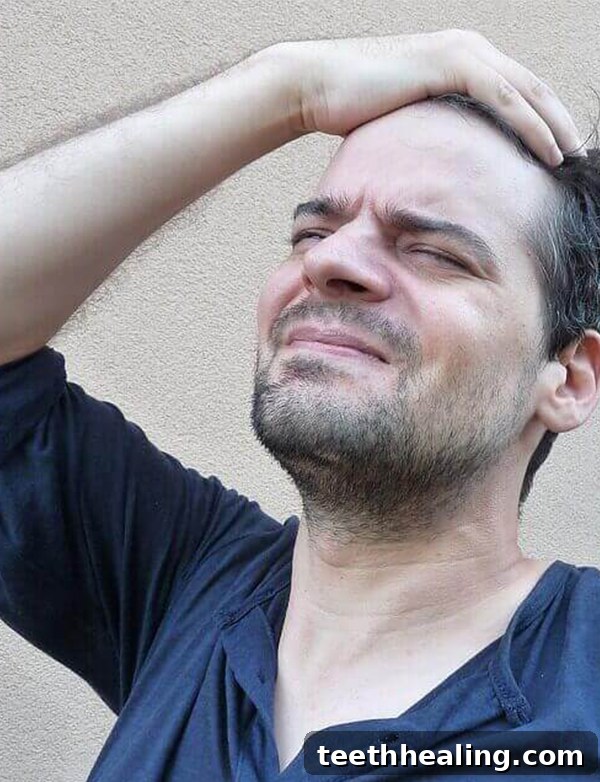
Often, individuals seeking relief from persistent facial pain, jaw discomfort, and nagging headaches will declare, “I have TMJ.” While technically correct – as everyone possesses two temporomandibular joints (TMJs), one on each side of the head – what they truly mean is they suffer from Temporomandibular Joint Disorder (TMD). This common yet frequently misunderstood condition can manifest through a complex array of symptoms, ranging from localized jaw pain to widespread discomfort in the head, neck, and even teeth, often linked to teeth clenching or grinding.
Understanding Temporomandibular Joint Disorder (TMD)
Temporomandibular Joint Disorder, frequently abbreviated as TMD or TMJ syndrome, is far more than a simple localized issue; it encompasses a collection of interconnected symptoms and conditions affecting the jaw joints and surrounding muscles. Modern understanding reveals that TMD is often intricately linked to sleep movement disorders. Chronic inflammatory damage to the joint itself, or dysfunction arising from sleep-disordered breathing conditions like snoring and sleep apnea, are increasingly recognized as primary drivers. This perspective challenges traditional dental training, which often attributed TMD solely to stress or “bad habits.” While stress can certainly exacerbate symptoms, it’s rarely the root cause. Developing a “habit” that actively harms the body and damages teeth is illogical; instead, these actions are often physiological responses to an underlying problem.
The Anatomy and Complex Mechanics of Your TMJ
The temporomandibular joint (TMJ) is a marvel of biological engineering. It’s the unique connection point where the mandible (your lower jaw bone) articulates with the temporal bone of your skull. Located just in front of and below each ear, these two joints are among the most frequently used in the body. Each TMJ is comprised of several key components: the condyle of the mandible, the glenoid fossa of the temporal bone, and critically, a small, resilient articular disc positioned between these bony structures. This cartilage disc serves multiple vital functions: it keeps the bones separated, preventing friction and wear; it acts as a crucial shock absorber, cushioning the joint from daily forces; and it facilitates smooth, complex movements.
Surrounding each joint is a protective fibrous capsule, or envelope, which encloses the joint and contains lubricating synovial fluid, ensuring frictionless motion. The TMJ is not merely a simple hinge; it allows for both rotational (hinge) and translational (gliding) movements, enabling us to open and close our mouths, move our jaws side-to-side, and protrude or retract them. Considering we engage these joints thousands of times daily for essential activities like swallowing, eating, speaking, breathing, and yawning, it’s evident they are epicenters of immense muscular activity and physical forces.
The TMJ’s Crucial Role in Proprioception and Posture
A lesser-known, yet profoundly significant, aspect of the TMJs is their extraordinary density of proprioceptive nerve fibers. In fact, these joints contain the highest volume of proprioceptors in the entire body. Proprioception is our body’s sixth sense – it’s the unconscious perception of movement and spatial orientation. These nerve fibers constantly relay critical information to the brain, informing it about the position of our body in space and time, allowing for balance and coordinated movement.
Given this high concentration, the TMJ plays an indispensable role in maintaining our overall balance and upright posture. If a TMJ is compromised or damaged in any way, the body’s intricate system is forced to compensate. It alters its natural alignment and posture to maintain equilibrium, often without us consciously realizing it. This shift in position, known as compensatory posturing, can lead to a cascade of pain in seemingly unrelated areas of the body. For example, persistent neck aches, shoulder stiffness, or even lower back pain might originate from a dysfunctional TMJ. These secondary pains are often treated symptomatically, yet they remain unresolved because the primary source – the jaw joint – is overlooked.
Conversely, a chronic inflammatory condition in a distant part of the body, such as a hip, could trigger compensatory changes throughout the musculoskeletal system. The body subtly adjusts its posture to alleviate pain in the hip, and as a result, the jaw might begin to hurt due to the altered balance. In such cases, dental treatment for the jaw might prove unsuccessful, or even worsen the situation, because the true underlying issue in the hip remains undetected and untreated. This intricate interplay underscores a fundamental principle: the key to effectively and successfully treating TMJ disorders lies in accurately diagnosing whether the jaw joints are the primary cause of symptoms, or if they are merely secondary responders to dysfunction elsewhere in the body. This is precisely why a comprehensive, holistic diagnostic approach is absolutely essential for lasting relief.
Recognizing the Diverse Symptoms of TMJ Disorder
The symptoms of TMJ disorder can be incredibly varied and may mimic other conditions, making accurate diagnosis challenging without a specialized approach. Some symptoms are directly related to the jaw, while others can manifest as seemingly unrelated issues throughout the head and body. Common indicators include:
- Headaches: Ranging from dull tension headaches to severe migraines, often localized to the temples, forehead, or behind the eyes.
- Jaw Pain: Aching, throbbing, or sharp pain in the jaw joint itself, the surrounding muscles, or radiating into the face.
- Face Pain: Persistent discomfort or tenderness across the cheeks, around the eyes, or near the ears.
- Ear Pain/Stuffiness: A sensation of fullness in the ear, earaches not caused by infection, or even decreased hearing.
- Ringing in the Ears (Tinnitus): Persistent or intermittent ringing, buzzing, or hissing sounds in one or both ears.
- Neck Ache: Chronic stiffness, soreness, or pain in the cervical spine, often extending to the base of the skull.
- Shoulder Pain: Aches and tension that can spread from the neck into the upper back and shoulders.
- Back Pain: Lower or upper back discomfort, resulting from postural imbalances initiated by jaw dysfunction.
- Dizziness or Vertigo: Feelings of unsteadiness, lightheadedness, or spinning sensations.
- Difficulty Chewing: Pain, tenderness, or limited ability to open the mouth wide when eating tough or chewy foods.
- Clenching/Grinding (Bruxism): Involuntary habits of clenching the jaw during the day or grinding teeth during sleep.
- Fatigue: Chronic tiredness, often due to disturbed sleep from pain or sleep-disordered breathing associated with TMD.
- Worn Teeth: Flattened, chipped, or fractured teeth due to excessive grinding and clenching forces.
- Chipped and Broken Teeth: Damage to dental restorations or natural tooth structure from parafunctional habits.
- Painful Teeth: Tooth sensitivity or general tooth pain that cannot be explained by cavities or gum disease.
- Failed Dental Work: Repeated failure of fillings, crowns, or other restorations, suggesting underlying bite issues.
The profound connection between the TMJ and the rest of the body, particularly the neck and spine which bear the weight of the head, cannot be overstated. Any problems or persistent discomfort within the TMJs can trigger a cascade of structural imbalances and health complications in other, seemingly unrelated, parts of the body.
Why Do TMJ Problems Lead to Widespread Pain? A Biomechanical Perspective
To truly grasp how a problem in your jaw can cause pain throughout your body, consider the analogy of a twisted ankle. When you sustain an ankle injury, your body instinctively adjusts its gait and posture to minimize pain and avoid further damage. You might limp, shift your weight, or subtly twist your torso. While this compensatory mechanism offers immediate relief to the ankle, it places uneven stress on the knee, hip, and even the opposite leg, as your body weight is no longer distributed symmetrically. Over time, your body contorts, muscles work harder to support the uneven load, leading to spinal misalignment, uneven hips and shoulders, and muscle spasms. These spasms can impinge nerves, causing discomfort to travel up your spine, eventually manifesting as pain in your neck, shoulders, and yes, even your jaw – all stemming from that initial ankle injury.
Now, imagine if that twisted ankle were never properly diagnosed or treated, and you continued to compensate for months or years. You would inevitably develop serious, chronic structural issues and widespread pain that would be difficult to trace back to the original ankle problem. The same principle applies to your TMJ. A subtle dysfunction in your jaw joint can initiate a similar, complex chain reaction. While some symptoms, such as difficulty biting, chewing pain, jaw clicking/grating, or localized jaw/face pain, are clearly indicative of a TMJ issue, others are far less obvious. Symptoms like chronic neck, back, knee, and shoulder pain, sinus pressure, pain behind the eyes, or persistent ringing in the ears may seem entirely unrelated to the jaw. Without specialized insight, the true root cause remains hidden, leading to ineffective treatments focused only on symptoms.
This is precisely where our unique system of comprehensive diagnostic tests and neurological evaluations becomes invaluable. By meticulously assessing your condition, we can determine the exact origin of your pain and dysfunction, ensuring you receive the correct diagnosis, the most appropriate treatment, and truly optimal care tailored to your specific needs.
If you suspect that you are struggling with a TMJ problem, or if you are experiencing multiple persistent health concerns that have eluded clear diagnosis, please do not hesitate to contact us for a detailed appointment and a thorough case evaluation. Taking this first step is crucial for uncovering the underlying causes of your discomfort.
Common Causes and Contributing Factors to TMJ Pain
TMJ pain and dysfunction are multifaceted, often stemming from a combination of factors. Identifying these causes is paramount for effective treatment:
- Direct Trauma to the TMJ: This can result from various incidents such as sporting injuries, vehicular accidents (e.g., whiplash), a direct blow to the jaw, or even prolonged jaw opening during dental procedures.
- Ongoing Trauma from a Misaligned Bite (Malocclusion): When the upper and lower teeth don’t fit together correctly, it creates uneven forces on the jaw joints. This can be exacerbated by a lack of functional nose breathing or chronic sleep-disordered breathing, which can impact jaw development and resting position.
- Uneven Teeth, Jaw Mispositioning, or Loss of Bite Height: Dental issues like missing teeth, poorly aligned orthodontic results, or worn-down teeth can alter the natural resting position of the jaw, putting strain on the TMJs.
- Daytime Jaw Clenching: Often an unconscious habit driven by stress, concentration, or even certain posture, leading to chronic muscle tension around the jaw.
- Nighttime Clenching or Grinding of Teeth (Bruxism): An involuntary sleep movement disorder where individuals clench or grind their teeth during sleep, subjecting the TMJs and teeth to immense, sustained forces. This is strongly linked to airway issues.
- Sleep Apnea, Snoring, Airway Collapse, and Disordered Breathing During Sleep: When the airway is compromised during sleep, the body instinctively moves the jaw forward to open the airway, leading to chronic strain and inflammation in the TMJs. This is a significant, often overlooked, cause of TMD.
- Referred Compensatory Pain from Other Areas of the Body: As discussed, chronic inflammation or structural issues in areas like the neck, feet, shoulders, or hips can lead to the body compensating, eventually causing the jaw to become dysfunctional and painful.
- Inflammatory Conditions: Systemic inflammatory diseases like rheumatoid arthritis or osteoarthritis can directly affect the TMJ, just like any other joint in the body.
Effective Treatments for TMJ Disorders and Associated Headaches
At Evolve Dental Healing in Kenmore, we pride ourselves on offering a truly holistic and patient-centered approach to treating TMJ disorders and the debilitating pain they can cause. We understand that effective treatment extends beyond simply addressing symptoms; it requires identifying and resolving the underlying causes.
Dr. Rachel Hall has undertaken extensive advanced training in the complex fields of TMJ disorders, sleep medicine, and headache management. Her specialized expertise allows her to conduct comprehensive screenings and meticulous neurological evaluations, enabling her to accurately detect the true source of your problem – whether it originates directly in the jaw or is referred from another part of the body. This precision in diagnosis is fundamental to achieving lasting relief.
We believe in a collaborative model of care, working closely with a network of highly skilled allied health practitioners, including physiotherapists, osteopaths, chiropractors, as well as sleep physicians and Ear, Nose, and Throat (ENT) specialists. This multidisciplinary approach ensures that you receive a coordinated, comprehensive treatment plan that addresses all facets of your health, leading to effective and enduring solutions for your healthcare challenges.
The journey to recovery begins with a thorough and comprehensive evaluation, coupled with advanced diagnostic studies. This critical first step helps us unequivocally determine if your symptoms are indeed a primary jaw problem or if they are indicative of a compensatory issue originating elsewhere in your body. Accurate diagnosis is the bedrock upon which successful treatment is built.
If your condition is indeed diagnosed as primary TMJ dysfunction, Dr. Rachel Hall will meticulously craft a personalized course of treatment. This often includes custom-designed jaw orthotics – comfortable, removable appliances that gently reposition your jaw into a therapeutic, healing position. These orthotics are designed to decompress the joint, reduce inflammation, and alleviate muscle strain, promoting repair and recovery. Alongside these appliances, we provide targeted lifestyle recommendations aimed at reducing systemic inflammation, optimizing nutrition, and managing stress, all of which significantly enhance your body’s natural healing capacity and accelerate your recovery rate, allowing you to experience results much faster.
Furthermore, recognizing the profound link between TMJ disorders and sleep health, we are also equipped to provide custom oral appliances that effectively treat sleep apnea, chronic snoring, and other sleep-breathing disorders. By improving airway patency, these orthotics can dramatically reduce the nocturnal strain on your TMJs and improve overall sleep quality, contributing to a holistic recovery.
At Evolve Dental Healing, our unwavering emphasis is on non-surgical treatment modalities. Our goal is to reduce inflammation within the TMJs, re-establish a balanced and comfortable jaw position, and minimize stress on these crucial joints, thereby creating an optimal environment for your body to naturally repair and heal itself. We are committed to guiding you on a path to sustained comfort and improved quality of life.
To uncover and effectively treat the underlying cause of your TMJ discomfort and embark on a journey to significantly improve your health today, we invite you to call us to schedule an appointment. Reach us on 07 3720 1811 and take the first step towards a pain-free future.