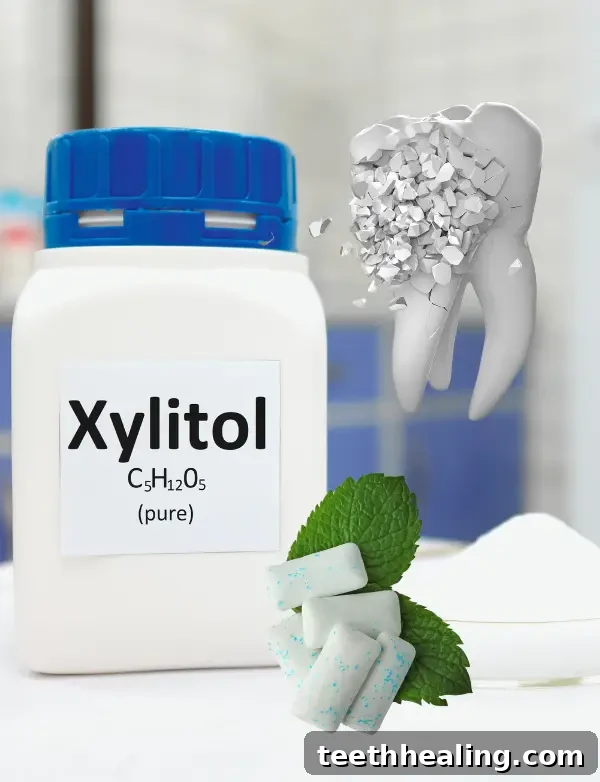
Xylitol, a remarkable natural sugar alcohol, has emerged as a groundbreaking alternative to conventional sweeteners, garnering widespread acclaim for its unique properties. Found in an array of sugar-free products, from chewing gum and candies to various oral care items, xylitol offers far more than just a pleasant taste. Its profound benefits for oral health, particularly its capacity to promote tooth remineralization and actively combat decay, position it as a cornerstone in modern holistic dental care.
For centuries, sugar has been a primary culprit behind dental problems worldwide. Its pervasive presence in our diets has led to an epidemic of cavities and gum disease. As awareness grows regarding the detrimental effects of refined sugars, the demand for healthier, natural alternatives has soared. Xylitol stands out in this landscape, not merely as a substitute that prevents harm, but as an active agent that contributes positively to dental well-being. This article delves into the science behind xylitol’s efficacy, explores its applications, and highlights why it’s an excellent choice for anyone prioritizing a naturally healthy smile.
The Science Behind Xylitol: A Potent Ally Against Tooth Decay
Understanding how xylitol works is key to appreciating its powerful role in oral hygiene. Unlike typical sugars that feed harmful oral bacteria, xylitol disrupts their destructive processes, creating an environment where teeth can thrive.
Disrupting Harmful Bacteria: Xylitol’s Antibacterial Prowess
One of xylitol’s most significant mechanisms involves its unique interaction with pathogenic oral bacteria. The primary culprit in tooth decay is Streptococcus mutans, a bacterium notorious for fermenting sugars and producing acids that erode tooth enamel. Xylitol ingeniously interferes with this process:
- Metabolic Disruption: Streptococcus mutans absorbs xylitol, mistaking it for glucose, its preferred energy source. However, the bacteria cannot metabolize xylitol. This leads to a futile energy cycle, where the bacteria expend energy trying to process a substance that yields no nutritional value. This metabolic dead end starves the bacteria, inhibiting their growth and reproduction.
- Reduced Acid Production: Because Streptococcus mutans cannot ferment xylitol into acid, the overall acidity in the mouth decreases significantly. This higher, more neutral pH level is less conducive to enamel erosion and cavity formation.
- Decreased Bacterial Adhesion: Regular exposure to xylitol can also reduce the ability of bacteria to adhere to tooth surfaces. This diminishes the formation of dental plaque, the sticky biofilm where harmful bacteria congregate and launch their acidic attacks. Over time, the quantity of pathogenic bacteria in the oral cavity can be substantially reduced, shifting the balance towards a healthier microbial ecosystem.
Promoting Remineralization: Strengthening Tooth Enamel
Tooth enamel, the outermost protective layer of our teeth, is constantly subjected to a cycle of demineralization and remineralization. When exposed to acidic conditions, particularly after consuming sugary or acidic foods and drinks, minerals like calcium and phosphate can be stripped from the enamel, weakening it and making it susceptible to decay. Xylitol plays a crucial role in reversing this damage:
- Stimulating Saliva Flow: Chewing xylitol gum or consuming xylitol mints naturally stimulates saliva production. Saliva is a vital natural defense mechanism, rich in calcium, phosphate, and other minerals essential for remineralization. It also helps to buffer acids, neutralizing the oral environment more rapidly.
- Facilitating Mineral Reabsorption: Xylitol, through its ability to reduce acidity and enhance saliva production, creates optimal conditions for these essential minerals to be reabsorbed back into the tooth structure. This process actively rebuilds and strengthens weakened enamel, making teeth more resistant to future acid attacks and the development of cavities. This protective effect effectively hardens tooth enamel, enhancing its resilience against wear and tear.
In essence, xylitol doesn’t just prevent decay; it actively participates in the repair and fortification of your teeth, offering a proactive approach to maintaining a healthy, vibrant smile.
The Holistic Advantage: Why Xylitol Aligns with Natural Dentistry
Holistic dentistry emphasizes the interconnectedness of oral health with overall body wellness, prioritizing natural and biocompatible treatments. Xylitol perfectly embodies this philosophy.
A Truly Natural Alternative
Unlike many artificial sweeteners that raise concerns about potential long-term health effects, xylitol is derived from natural sources. It’s found in the fibers of many fruits and vegetables, such as berries, corn cobs, and birch bark. This natural origin makes it an ideal choice for individuals seeking dental care that is in harmony with their body’s natural processes. For those committed to a clean, natural lifestyle, incorporating xylitol aligns seamlessly with their values, offering peace of mind alongside its tangible health benefits.
Unmatched Low Cariogenic Potential
The term “cariogenic” refers to a substance’s ability to promote tooth decay. Sucrose, or table sugar, is highly cariogenic because it is readily fermented by oral bacteria into harmful acids. Xylitol, however, is classified as non-cariogenic. As previously discussed, oral bacteria cannot metabolize xylitol for energy, meaning it does not contribute to the acidic environment that fosters cavities. This makes xylitol a far superior choice for dental health compared to any traditional sugar, effectively reducing the risk of dental caries without sacrificing sweetness.
Beyond Oral Health: Broader Wellness Benefits
The advantages of xylitol extend beyond the oral cavity, contributing to general well-being:
- Reduced Risk of Ear Infections: Studies suggest that xylitol can help prevent acute middle ear infections (otitis media) in children. This is believed to be due to its ability to inhibit the growth of certain bacteria and yeasts in the nasopharynx, preventing them from adhering to the mucous membranes and entering the Eustachian tubes.
- Support for Weight Management: Xylitol has about 40% fewer calories than sugar and a very low glycemic index, meaning it causes a negligible rise in blood sugar levels. This makes it an excellent sweetener for individuals managing their weight or those with diabetes, offering sweetness without the caloric load or blood sugar spikes associated with sucrose.
- Bone Health: Emerging research even hints at xylitol’s potential to enhance bone density and help prevent osteoporosis, although more studies are needed in this area. Its holistic impact underscores its value as a beneficial dietary inclusion.
Seamlessly Incorporating Xylitol into Your Daily Routine
Integrating xylitol into your daily life is straightforward and can significantly boost your oral health efforts. Here are several practical ways to make it a part of your routine:
- Sugar-Free Gum and Mints: This is arguably the easiest and most popular method. Chew sugar-free gum sweetened with 100% xylitol for at least 5 minutes after meals and snacks. The chewing action stimulates saliva, and the xylitol gets to work neutralizing acids and inhibiting bacteria. Similarly, xylitol mints can be sucked on for a few minutes. Aim for 2-3 pieces of gum or mints daily.
- Xylitol-Enriched Dental Products: Many toothpastes and mouthwashes now incorporate xylitol for its antibacterial and remineralizing properties. Look for these products to enhance your regular brushing and rinsing routine. Using a xylitol mouthwash after brushing can provide an extra layer of protection, particularly beneficial for reaching areas brushing might miss.
- Granulated Xylitol as a Sweetener: You can use granulated xylitol as a direct 1:1 replacement for sugar in your coffee, tea, cereals, or even in baking. Be aware that while safe for humans, xylitol is highly toxic to dogs and should be kept out of their reach. When used as a bulk sweetener, moderation is key, as excessive amounts can sometimes lead to mild digestive upset in sensitive individuals.
- Xylitol Candies and Lozenges: For those with a sweet tooth, there are now a variety of candies and lozenges specifically sweetened with xylitol, offering a guilt-free indulgence that actively benefits your teeth.
- Consult Your Dentist for Personalized Advice: While xylitol is widely beneficial, individual needs can vary. Before making significant dietary changes or overhauling your oral hygiene routine, it’s always prudent to consult with your dentist. They can offer tailored recommendations based on your specific dental health profile and help you determine the most effective ways to incorporate xylitol for optimal results. Your dentist can also advise on the appropriate dosage and frequency to maximize its benefits while considering any unique sensitivities.
By consciously integrating xylitol into your daily regimen, you empower your oral health and pave the way for a healthier, more vibrant smile. It’s important to remember that while xylitol is a powerful tool, it complements, rather than replaces, fundamental oral hygiene practices. Consistent brushing, diligent flossing, and regular professional dental check-ups and cleanings remain indispensable for comprehensive dental care.
Maximizing Protection: Utilizing Xylitol After Meals for Stronger Teeth
One of the most strategic times to deploy xylitol’s benefits is immediately following meals and snacks. This simple yet effective practice can dramatically reduce the risk of tooth decay.
Why Post-Meal Xylitol Use is Crucial
The period immediately after eating is when your teeth are most vulnerable. When we consume food, especially carbohydrates and sugars, oral bacteria rapidly metabolize them, producing acids. This surge of acidity causes the pH level in the mouth to drop significantly, leading to the demineralization of tooth enamel. This demineralization process, if left unchecked, is the precursor to cavity formation. Xylitol acts as an immediate countermeasure, neutralizing this acidity and kickstarting the remineralization process.
Effective Ways to Use Xylitol After Meals:
- Chew Sugar-Free Xylitol Gum or Suck on Mints: This is arguably the most convenient and effective method. Chewing xylitol gum for 5-10 minutes immediately after a meal or snack provides a dual benefit. The chewing action stimulates a robust flow of saliva, which is naturally rich in minerals and buffers acids. Simultaneously, the xylitol works to reduce the population of harmful bacteria and elevate the oral pH. For those who prefer not to chew gum, a xylitol mint or lozenge sucked for 2-3 minutes offers similar benefits, bathing the oral cavity in protective xylitol.
- Utilize Xylitol-Containing Mouthwash: If chewing gum isn’t feasible or preferred, a quick rinse with a xylitol-fortified mouthwash after eating can be highly beneficial. Swish the mouthwash thoroughly for 30-60 seconds to ensure it reaches all tooth surfaces, effectively neutralizing acids and providing antibacterial protection. This is an excellent option for a rapid post-meal cleanse.
- Consider Xylitol Mints or Lozenges: Keep a supply of xylitol mints or lozenges handy in your bag, car, or desk drawer. These are discreet, refreshing, and provide an instant dose of xylitol’s protective properties anytime, anywhere, especially when brushing isn’t an option.
Key Benefits of Post-Meal Xylitol Usage:
- Rapid Acid Neutralization: Xylitol quickly helps to raise the pH level in your mouth, combating the post-meal acid attack and significantly reducing the risk of demineralization that leads to cavities.
- Accelerated Remineralization: By creating a more alkaline environment and stimulating saliva, xylitol actively aids in the reabsorption of essential minerals back into your tooth enamel, making it stronger and more resilient against decay.
- Sustained Bacterial Reduction: Consistent use of xylitol after meals helps to maintain a lower population of harmful, acid-producing bacteria in your mouth, providing ongoing protection against tooth decay and even gum disease. This continuous disruption of bacterial metabolism contributes to a healthier oral microbiome.
Making xylitol a part of your after-meal routine is a simple yet profoundly impactful step towards safeguarding your oral health and preserving the strength and beauty of your teeth for years to come.
Evolve Dental: Your Holistic Dentist in Brisbane
At Evolve Dental, we are deeply committed to a holistic philosophy that recognizes the profound connection between your oral health and your overall physical well-being. Our experienced and compassionate team in Brisbane is dedicated to providing personalized care, utilizing natural, gentle, and effective methods to promote optimal oral health. We believe in empowering our patients with knowledge and offering solutions that support both their dental and systemic health.
Are you ready to embrace a healthier, more natural approach to your dental care and take the first step towards a vibrant, confident smile? Discover the difference that holistic dentistry can make.
Contact us today at 07 3720 1811 to book your appointment or conveniently BOOK ONLINE HERE and embark on your journey to optimal oral wellness with Evolve Dental.