In our modern lives, where health is often at the forefront of our minds, the importance of a radiant smile and robust oral health cannot be overstated. We all understand the basic tenets: brushing and flossing are non-negotiable. Yet, beneath the surface of these fundamental practices lie numerous everyday habits, often subtle and insidious, that can silently erode the very foundations of our dental well-being. These seemingly innocuous routines, if left unchecked, can lead to a cascade of problems ranging from cavities and gum disease to more severe systemic health issues. This comprehensive guide aims to shed light on five prevalent habits that pose a significant threat to your teeth and gums, along with actionable steps you can take to safeguard your smile. By understanding these pitfalls and committing to healthier choices, you can ensure your dental health remains in pristine condition, contributing significantly to your overall quality of life.
Understanding Optimal Dental Health: More Than Just a Bright Smile
Before delving into the detrimental habits, it’s crucial to establish a clear understanding of what constitutes good dental health. It extends far beyond merely having white teeth or the absence of immediate pain. Optimal dental health encompasses healthy gums that are pink and firm, teeth that are strong and free from decay, fresh breath, and a comfortable bite. It signifies a mouth free from disease, infection, and discomfort, enabling you to speak, chew, and smile with confidence.
The significance of maintaining this state cannot be overemphasized. Your oral cavity serves as a gateway to the rest of your body, and the health of your mouth is intrinsically linked to your overall systemic health. Research has increasingly demonstrated compelling connections between poor oral hygiene and a heightened risk for serious conditions such as cardiovascular disease, stroke, diabetes, respiratory infections, and even adverse pregnancy outcomes. The bacteria thriving in an unhealthy mouth can enter the bloodstream, traveling to various organs and potentially exacerbating existing conditions or initiating new ones. Therefore, cultivating good dental health is not just about aesthetics; it’s a vital component of a holistic approach to well-being.
The Silent Saboteurs: 5 Habits Threatening Your Teeth and Gums
1: Neglecting Oral Hygiene – The Foundation of Decay and Disease
The cornerstone of excellent dental health lies in consistent and meticulous oral hygiene. While the concept seems straightforward, many individuals inadvertently fall into habits that compromise its effectiveness, leading to a myriad of problems from cavities to severe gum disease. Poor oral hygiene isn’t just about forgetting to brush; it encompasses improper techniques, insufficient duration, and neglecting essential steps.
Improper Brushing Techniques: Simply running a toothbrush over your teeth isn’t enough. Many people brush too aggressively, using a horizontal scrubbing motion that can wear down enamel and irritate gums. The correct method involves using a soft-bristled toothbrush, held at a 45-degree angle to the gum line, employing gentle circular or short back-and-forth strokes. This technique effectively dislodges plaque and food particles without causing damage. Furthermore, brushing for less than the recommended two minutes means you’re likely missing crucial areas, allowing bacteria to flourish and form plaque.
Skipping Flossing: Brushing alone cleans only about 60% of your tooth surfaces. The remaining 40%, particularly the tight spaces between teeth and just beneath the gum line, are breeding grounds for plaque and bacteria. Flossing daily is paramount for removing these hidden culprits, preventing the buildup of tartar, and warding off gingivitis (early gum disease) and periodontitis (advanced gum disease). Neglecting to floss allows these bacterial colonies to harden into tartar, which can only be removed by a professional cleaning.
Ignoring Mouthwash: While not a substitute for brushing and flossing, an antimicrobial mouthwash can offer an additional layer of protection. It helps to reduce bacteria throughout the mouth, including on the tongue and cheeks, contributing to fresher breath and a healthier oral environment. Regular use can complement your routine by killing bacteria that contribute to plaque and gum inflammation. To truly protect yourself, commit to brushing twice a day with fluoride toothpaste, flossing daily, and using an antiseptic mouthwash.
The original text included a link for “oral hygiene” and “see your dentist regularly”. I will ensure these are preserved or re-contextualized.
That’s because the mouth is home to millions of bacteria, some of which can enter the bloodstream and cause infection. What’s more, research has linked poor oral health to a number of serious health conditions, such as heart disease, stroke, and diabetes.
So how can you protect yourself? The first step is to practice good oral hygiene habits every day. That means brushing your teeth twice a day with fluoride toothpaste, flossing daily, and using mouthwash.
In addition to these daily habits, be sure to see your dentist regularly for professional cleanings and checkups. And if you have any concerns about your oral health, don’t hesitate to speak with your dentist about them.
2: The Tobacco Trap – Smoking and Chewing’s Devastating Impact
Few habits are as profoundly detrimental to your oral health, and indeed your overall health, as smoking and the use of tobacco products. Whether it’s cigarettes, cigars, pipes, or smokeless tobacco, the chemicals present in these products wreak havoc on the delicate tissues of your mouth, initiating a cascade of severe problems. Understanding the extent of this damage can be a powerful motivator for quitting.
Smoking’s Toll: Smoking causes immediate and noticeable damage, such as unsightly tooth discoloration, leading to yellow or brown stains that are difficult to remove. It’s also a primary contributor to persistent bad breath, or halitosis, due to the residue it leaves and its impact on saliva production. More critically, smoking significantly compromises your immune system, making your gums far more susceptible to bacterial infections. This leads to an increased risk of gum disease (periodontitis), which can manifest as swollen, bleeding gums, bone loss around teeth, and eventually tooth loss. Smokers also experience slower healing after dental procedures and are at a much higher risk for oral cancer, with symptoms often appearing as white or red patches in the mouth that can become malignant.
Smokeless Tobacco Dangers: Products like chewing tobacco and snuff, often perceived as a safer alternative, are equally, if not more, damaging to oral health. The abrasive particles in chewing tobacco can directly wear down tooth enamel, while the constant contact with gums can cause significant gum recession, exposing sensitive tooth roots. Like smoking, smokeless tobacco is a potent cause of oral cancer, frequently leading to lesions known as leukoplakia in the areas where the tobacco is held. The high sugar content often found in these products also contributes to a rampant increase in cavities. Quitting all forms of tobacco is undeniably the single most impactful step you can take to protect your teeth, gums, and your life from oral disease.
3: The Sugar and Acid Attack – Eroding Your Enamel and Fueling Decay
The foods and drinks we consume daily play a critical role in determining the health of our teeth and gums. Among the most destructive are those high in sugar and acid, which work in tandem to create an environment ripe for decay and erosion. Understanding how these substances compromise your oral health is key to making informed dietary choices.
The Sugar Menace: Sugar is the primary fuel for harmful bacteria in your mouth, particularly Streptococcus mutans. When these bacteria metabolize sugar, they produce acids as a byproduct. These acids then attack your tooth enamel, the hard, protective outer layer of your teeth. This process, known as demineralization, weakens the enamel, making it porous and susceptible to cavity formation. It’s not just the quantity of sugar but also the frequency and duration of exposure that matters. Constant snacking on sugary foods or sipping sugary drinks throughout the day means your teeth are under continuous acid attack, offering no time for saliva to neutralize the acids and remineralize the enamel. Be wary of hidden sugars in processed foods, condiments, and seemingly healthy snacks.
The Acidic Assault: Beyond the acids produced by bacteria, many foods and beverages are inherently acidic and can directly erode tooth enamel. Common culprits include citrus fruits (lemons, oranges, grapefruits), carbonated sodas (diet or regular), sports drinks, fruit juices, wine, and foods marinated in vinegar. When acidic substances come into contact with your teeth, they soften the enamel, making it more vulnerable to wear and tear. Brushing immediately after consuming acidic foods or drinks can actually cause more damage, as the softened enamel can be easily abraded. It’s best to wait at least 30-60 minutes, allowing saliva to naturally buffer the acids, before brushing.
To protect your teeth from this dual threat, limit your intake of sugary and acidic foods and drinks. When you do indulge, try to consume them as part of a meal rather than snacking throughout the day. Rinse your mouth thoroughly with water afterward to help wash away residues and neutralize acids. Using a straw for acidic beverages can minimize contact with your teeth, and chewing sugar-free gum can stimulate saliva production, aiding in acid neutralization and remineralization.
4: Dehydration and Dental Health – The Critical Role of Water
Water is an elixir for overall health, and its importance for maintaining robust teeth and gums is often underestimated. While we frequently focus on what we consume, how much water we drink plays a crucial role in safeguarding our oral environment. Adequate hydration is directly linked to healthy saliva production, which is a frontline defense mechanism for your mouth.
Saliva: Your Mouth’s Natural Guardian: Saliva is much more than just a lubricant; it’s a powerful natural protectant for your teeth and gums. It continuously washes away food particles, sugars, and harmful bacteria, preventing them from adhering to tooth surfaces and forming plaque. Saliva also contains essential minerals like calcium and phosphate, which help to remineralize tooth enamel, counteracting the acid attacks that lead to cavities. Furthermore, saliva acts as a natural buffer, neutralizing the acids produced by bacteria and those from acidic foods and drinks, thereby maintaining a healthy pH balance in your mouth. Without sufficient saliva, your teeth become far more vulnerable to decay and erosion.
The Risks of Dehydration: When you don’t drink enough water, your body’s ability to produce saliva is significantly impaired, leading to dry mouth, or xerostomia. A persistently dry mouth creates an ideal environment for harmful bacteria to thrive, dramatically increasing your risk for cavities, gum disease, and persistent bad breath. Dehydration also reduces the effectiveness of your natural defense mechanisms, making your mouth more susceptible to infection and inflammation.
The recommended daily water intake is typically around eight 8-ounce glasses, or approximately 2 liters. However, individual needs can vary based on activity level, climate, and overall health. If you engage in strenuous activities, live in a hot environment, or have certain medical conditions, you may need even more. To ensure you’re adequately hydrated, carry a reusable water bottle throughout the day. If plain water doesn’t appeal to you, try infusing it with slices of fruit like cucumber, lemon, or berries, or add fresh herbs like mint. Make it a habit to drink water with every meal and sip throughout the day. A glass of water before bedtime can also help prevent morning dry mouth and its associated issues.
5: Skipping the Dentist – Preventive Care is Your Best Defense
In an age where preventive medicine is championed, neglecting regular dental check-ups and cleanings is one of the most significant oversights you can make concerning your oral health. While daily brushing and flossing are undeniably crucial, they are not sufficient on their own to maintain optimal dental well-being. Professional dental care provides a level of cleaning and diagnostic capability that at-home routines simply cannot match.
The Power of Professional Cleanings: Even with diligent brushing and flossing, some plaque can remain and harden into tartar (calculus), particularly in hard-to-reach areas. Tartar is a sticky, yellowish-brown deposit that adheres firmly to your teeth and beneath your gum line. It cannot be removed by brushing or flossing alone and requires specialized dental instruments to scrape away. If left untreated, tartar harbors bacteria that irritate gums, leading to gingivitis and eventually periodontitis, which can cause bone loss and ultimately tooth loss. Regular professional cleanings, typically twice a year, remove these stubborn deposits, keeping your teeth clean and your gums healthy.
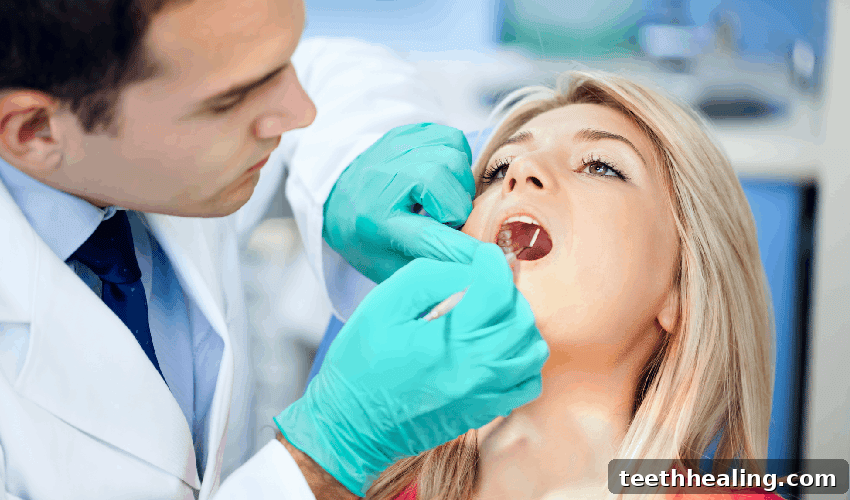
Early Detection and Prevention: Beyond cleaning, your dentist and dental hygienist are trained to spot potential problems before they escalate into serious issues. During a routine check-up, your dentist will perform a thorough examination of your teeth, gums, tongue, cheeks, and jaw. They can detect early signs of cavities, gum disease, and even more serious conditions like oral cancer, often before you experience any symptoms. Early diagnosis allows for less invasive, less costly, and more effective treatments. X-rays, taken periodically, can reveal issues not visible to the naked eye, such as interproximal cavities, bone loss, or impacted teeth.
Personalized Guidance: Your dental team can also provide personalized advice on your oral hygiene routine, recommend specific products, and offer preventive treatments such as fluoride applications or dental sealants, especially beneficial for children and adolescents. They can address any specific concerns you might have, from sensitivity to cosmetic issues, guiding you towards solutions tailored to your needs. By committing to dental visits at least twice a year, or as recommended by your dentist based on your individual risk factors, you are investing in the long-term health and beauty of your smile, preventing minor issues from becoming major, painful, and expensive problems.
Beyond the Basics: Other Habits to Reconsider for Optimal Oral Health
While the five habits detailed above cover a broad spectrum of dental threats, several other common behaviors can also jeopardize your oral health, often without you even realizing it. Being mindful of these additional pitfalls can further fortify your defenses against damage.
Using Your Teeth as Tools: Your teeth are incredibly strong, but they are designed for chewing food, not for opening packages, biting nails, holding objects, or tearing tape. Using your teeth as makeshift tools can place undue stress on them, leading to chips, cracks, fractures, or even loosening of the teeth. This habit can also damage existing dental work, such as fillings or crowns, and cause strain on your jaw joints. Always reach for appropriate tools instead of relying on your teeth.
Aggressive Brushing: Paradoxically, trying too hard to clean your teeth can be just as damaging as not brushing enough. Brushing with excessive force or using a hard-bristled toothbrush can wear down tooth enamel over time, making your teeth more sensitive and susceptible to decay. It can also cause gum recession, exposing the sensitive roots of your teeth and increasing the risk of periodontal disease. Remember, gentle circular motions with a soft-bristled brush are far more effective and safer.
Bruxism (Teeth Grinding or Clenching): Many people unconsciously grind or clench their teeth, especially during sleep (sleep bruxism) or when stressed (awake bruxism). This habit exerts immense pressure on your teeth, leading to excessive wear, chips, fractures, and even loosening. Bruxism can also cause jaw pain, headaches, and temporomandibular joint (TMJ) disorders. If you suspect you grind or clench your teeth, consult your dentist. They can recommend solutions like custom-fitted nightguards to protect your teeth and alleviate symptoms.
Ignoring Dental Pain or Sensitivity: Any persistent pain, discomfort, or heightened sensitivity in your teeth or gums is a signal that something is wrong. Ignoring these symptoms in the hope that they will resolve on their own is a dangerous gamble. What might start as a minor cavity can quickly progress to a deep infection requiring a root canal or extraction if left untreated. Prompt attention from a dentist can diagnose the problem early and lead to simpler, less invasive, and more effective treatments, preventing more severe complications.
Cultivating a Lifetime of Smiles: Actionable Steps for Optimal Oral Health
Maintaining a healthy, vibrant smile throughout your life is an achievable goal, but it requires consistent effort and a commitment to proactive care. By understanding and consciously avoiding the detrimental habits discussed, and embracing positive routines, you can significantly enhance your dental well-being and, by extension, your overall health.
Embrace a Consistent Oral Hygiene Routine: This is the non-negotiable foundation. Brush thoroughly twice a day for two minutes with fluoride toothpaste and a soft-bristled brush. Floss daily to clean between teeth and under the gum line. Consider incorporating an antiseptic mouthwash for an extra layer of protection against bacteria.
Make Mindful Dietary Choices: Be vigilant about your intake of sugary and acidic foods and drinks. Opt for water as your primary beverage, and choose nutrient-rich snacks like fresh fruits, vegetables, and dairy products. If you consume sweets or acidic items, do so in moderation and rinse your mouth with water afterward.
Prioritize Hydration: Drink plenty of water throughout the day. It’s crucial for saliva production, which naturally cleanses your mouth, neutralizes acids, and helps remineralize your enamel. Keep a water bottle handy and make sipping water a regular habit.
Eliminate Tobacco Use: If you smoke or use any form of tobacco, seeking support to quit is the single most impactful decision you can make for your oral and overall health. Your dentist or doctor can provide resources and guidance.
Schedule Regular Dental Check-ups: Don’t wait for pain to visit the dentist. Regular check-ups and professional cleanings, typically every six months, are essential for removing stubborn plaque and tartar, detecting issues early, and receiving personalized preventive care. Your dentist is your partner in maintaining optimal oral health.
Break Bad Oral Habits: Consciously stop using your teeth as tools, biting your nails, or chewing on ice. If you grind your teeth, discuss it with your dentist to explore protective solutions like a nightguard.
Your smile is a powerful asset, reflecting your health, confidence, and personality. Looking after your teeth and gums is not merely a cosmetic endeavor but an essential part of maintaining your general health and well-being. The habits we’ve explored in this article represent common pitfalls, but the good news is that each one can be addressed and overcome with awareness and commitment. By following our comprehensive advice on regular brushing, diligent flossing, mindful eating, adequate hydration, avoiding harmful substances, and consistent professional care, you will be empowered to protect your teeth, safeguard your gums, and enjoy a healthy, vibrant smile for many years to come.