Unlock Total Body Health: 12 Powerful Reasons to Prioritize Brushing and Flossing
Do you ever find yourself weighing the effort of a thorough brushing and flossing routine against the lure of extra minutes in bed or a quicker start to your day? You’re not alone. Statistics show that a significant portion of the population in countries like the US, Australia, and the UK don’t floss daily, and many skip brushing twice a day. While it might feel like a minor inconvenience, neglecting your oral hygiene is far from a harmless habit. It’s a critical oversight that can have profound implications for your entire body’s well-being.
For too long, dental care has often been seen as separate from overall health – a matter of preventing cavities or freshening breath. However, a growing body of scientific evidence is emphatically demonstrating that your mouth is a crucial window into your systemic health. It acts as a gateway, reflecting and influencing the health of virtually every other system in your body. Ignoring your oral health means overlooking a fundamental pillar of your overall wellness strategy. This article will delve into compelling reasons why daily brushing and flossing aren’t just about a bright smile, but about safeguarding your long-term health.
The Profound Oral-Systemic Connection: How Your Mouth Impacts Your Body
The concept of the “oral-systemic link” highlights the intricate relationship between the health of your mouth and the health of your body. Your mouth is home to billions of bacteria, both beneficial and harmful. When oral hygiene is neglected, harmful bacteria can proliferate, leading to conditions like gum disease. These bacteria, along with inflammatory substances they trigger, don’t stay confined to your mouth. They can enter your bloodstream through compromised gum tissues, traveling to distant organs and contributing to inflammation and disease throughout your body.
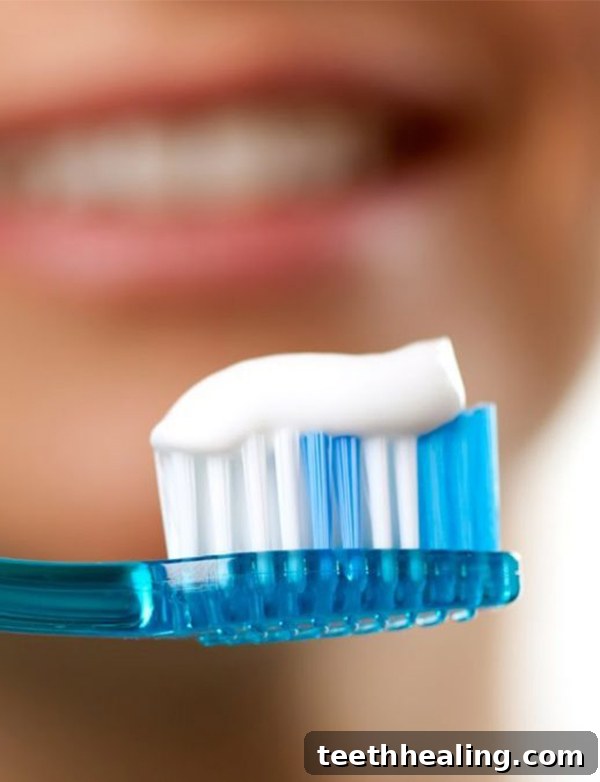
Regular dental check-ups, ideally twice a year, are essential for professional cleaning and early detection of issues. Complementing this, a consistent home care routine of brushing for two minutes twice a day and flossing daily is non-negotiable. Skipping these simple steps dramatically elevates your risk not just for oral problems like cavities, but for a cascade of serious health complications that extend far beyond your teeth and gums. Let’s explore 12 powerful reasons why maintaining impeccable oral hygiene is a vital investment in your total body health.
Beyond Cavities: 12 Compelling Health Reasons to Brush and Floss
While a sparkling smile and fresh breath are definite perks of good oral hygiene, the benefits run much deeper. Neglecting your daily brushing and flossing can put you at risk for a range of conditions that impact your quality of life and longevity. Here are the crucial reasons to commit to your oral health routine:
1. Preventing Gum Disease (Gingivitis and Periodontitis)
Many people mistakenly believe that bleeding gums are normal after brushing or flossing. This is a myth. Bleeding gums are a primary sign of gingivitis, the mildest form of gum disease. Gingivitis occurs when plaque – a sticky film of bacteria – accumulates on your teeth, especially along the gum line. This plaque irritates your gums, causing them to become red, swollen, and prone to bleeding. If left untreated, gingivitis can progress to periodontitis, a much more severe form of gum disease. In periodontitis, the chronic inflammation and bacterial infection begin to destroy the soft tissue and bone that support your teeth. Pockets form between your teeth and gums, filling with bacteria, and leading to irreversible damage that can ultimately result in tooth loss. Consistent brushing and flossing are the best defense against this progressive and damaging condition.
2. Preserving Your Natural Teeth and Preventing Tooth Loss
The thought of losing your teeth might seem like a distant concern, but it’s a very real consequence of poor oral hygiene. Both untreated cavities and advanced gum disease (periodontitis) are leading causes of tooth loss in adults. Cavities, if left to progress, can destroy enough tooth structure to necessitate extraction. Periodontitis, as mentioned, erodes the bone and supporting structures around your teeth, causing them to loosen and eventually fall out or require removal. Losing natural teeth can impact your ability to chew, speak, and even affect your facial structure. Brushing and flossing daily are fundamental in removing the plaque and food particles that fuel these destructive processes, helping you keep your natural teeth for a lifetime.
3. Eliminating Persistent Bad Breath (Halitosis)
Clinically known as halitosis, chronic bad breath affects a significant portion of the population and can be a major source of self-consciousness. While certain medical conditions can contribute, the overwhelming primary cause of bad breath is poor oral hygiene. When food particles remain lodged between teeth and on the tongue, they begin to decompose. The bacteria in your mouth break down these particles, releasing foul-smelling volatile sulfur compounds. The less you brush and floss, the more these odor-causing bacteria proliferate. Cleaning your tongue, along with diligent brushing and flossing, is crucial for removing bacterial buildup and significantly reducing unpleasant odors, restoring your confidence in social interactions.
4. Reducing Risk Factors for Dementia and Cognitive Decline
Emerging research is drawing fascinating links between oral health and cognitive function, particularly dementia. A notable long-term study indicated that individuals who reported not brushing daily had a significantly higher risk of developing dementia compared to those who brushed three times a day. Furthermore, some studies have detected a higher presence of gum disease-associated bacteria in the brains of Alzheimer’s patients. While the exact mechanisms are still under investigation, it’s hypothesized that chronic inflammation originating in the gums, or bacteria migrating from the mouth to the brain, could play a role in neurodegenerative processes. Prioritizing oral hygiene may thus be a simple yet powerful step in supporting long-term brain health.
5. Preventing Respiratory Infections like Pneumonia
Your mouth isn’t just a gateway for food; it’s also a portal for air. When pathogenic bacteria thrive in your mouth due to poor hygiene, they can be easily inhaled into your lungs. Once in the respiratory system, these bacteria can cause infections, including pneumonia. This link is particularly evident in hospital-acquired pneumonia, where improving oral hygiene protocols has been shown to reduce incidence rates by a substantial margin. Maintaining a clean mouth reduces the bacterial load, minimizing the risk of these opportunistic pathogens reaching your lungs and causing serious respiratory illness. It’s a critical preventative measure, especially for vulnerable populations.
6. Addressing the Link to Erectile Dysfunction
While seemingly unrelated, preliminary research suggests a potential connection between periodontal disease and erectile dysfunction (ED). Both conditions have shared risk factors, including Vitamin D deficiency, smoking, and systemic inflammation. Periodontitis can lead to chronic inflammation throughout the body, which may affect endothelial cells lining blood vessels, including those critical for erectile function. Studies have shown a high prevalence of severe periodontitis among men experiencing ED. While more research is needed to fully understand the exact mechanisms, this link underscores the far-reaching impact of oral health on various aspects of physical well-being and sexual health.
7. Aiding in Diabetes Management and Prevention
The relationship between diabetes and periodontal disease is often described as a two-way street. People with diabetes are more susceptible to gum disease due to impaired immune function and higher blood sugar levels, which create a favorable environment for bacteria. Conversely, severe periodontal disease can make it more challenging for individuals to control their blood sugar levels, increasing insulin resistance and potentially worsening diabetic complications. The chronic inflammation associated with periodontitis may contribute to this systemic effect. For those at risk or diagnosed with diabetes, meticulous oral hygiene, including regular dental care, is an integral part of managing the condition and potentially reducing its severity.
8. Reducing the Risk of Chronic Kidney Disease
Studies have revealed a strong correlation between periodontal disease and chronic kidney disease (CKD). Individuals with periodontal disease have been found to be significantly more likely to develop CKD, making poor dental health a stronger risk factor than even high cholesterol in some analyses. The loss of all natural teeth has also been linked to a dramatically increased risk of CKD. The chronic inflammation and bacterial burden from gum disease are believed to play a role in exacerbating or contributing to kidney damage. Maintaining excellent oral hygiene is therefore an important consideration in preventing or managing the progression of kidney disease.
9. Protecting Your Cardiovascular Health (Heart Disease)
The connection between gum disease and heart disease has been a significant area of research. Both conditions are fundamentally linked by inflammation. Periodontal disease is now considered a marker of increased risk for heart disease. While they share many common risk factors like smoking, diabetes, and genetics, the systemic inflammation triggered by chronic gum infection is believed to contribute to the hardening of arteries (atherosclerosis) and increase the risk of heart attacks and strokes. By controlling gum inflammation through diligent oral hygiene, you may be taking a proactive step to support your cardiovascular system and reduce overall inflammatory load on your body.
10. Ensuring Healthier Pregnancies and Infant Outcomes
Pregnancy brings about hormonal changes that can make expectant mothers more susceptible to gingivitis, affecting a large percentage of pregnant women. It is critically important for pregnant women to maintain excellent oral hygiene. Poor maternal oral health is not only linked to a higher incidence of cavities in their infants but also associated with adverse pregnancy outcomes such as low birth weight and preterm birth. The mechanisms are thought to involve heightened systemic inflammation, or oral bacteria entering the bloodstream and potentially colonizing the placenta, triggering an inflammatory response that can affect fetal development. Regular dental care and rigorous home oral hygiene are vital for both maternal and infant health.
11. Minimizing the Risk of Stomach Ulcers
For individuals suffering from periodontitis, the deep pockets formed beneath the gum line can become a reservoir for various bacteria, including Helicobacter pylori. This bacterium is famous for being the primary cause of stomach ulcers when it flares up, and it’s also a risk factor for stomach cancer. Helicobacter pylori can be transmitted orally, and large epidemiological studies have shown a positive association between the presence of periodontitis and a positive test for this bacterium. By maintaining healthy gums, you reduce the potential for your mouth to harbor and transmit this problematic bacterium, thereby contributing to better gastrointestinal health.
12. Potentially Lowering Your Cancer Risk
An increasing body of evidence suggests that the extent and severity of periodontal disease and tooth loss may be associated with an increased risk of various types of cancer, including oral cancers and cancers in other parts of the body. Gum disease and other dental problems have been linked to an increased susceptibility to Human Papillomavirus (HPV), which is a significant cause of oral and throat cancers. Furthermore, the chronic inflammation and bacterial toxins associated with periodontitis may create an environment that promotes the growth and spread of cancerous cells. While more research is ongoing, taking steps to prevent and manage gum disease through good oral hygiene could be a crucial part of an overall cancer prevention strategy.
The direct and intricate links between gum disease, poor oral health, and a multitude of systemic diseases are becoming increasingly clear. It is undeniable that a healthy mouth is not merely an aesthetic asset, but an indispensable component of a healthy body. Investing a few minutes each day in brushing and flossing is one of the most cost-effective and impactful ways you can safeguard your overall well-being.
If it has been six months or more since your last dental check-up, don’t delay. Take control of your health today. Call us now at 07 3720 1811 to book your comprehensive oral health assessment and start your journey towards a healthier you.