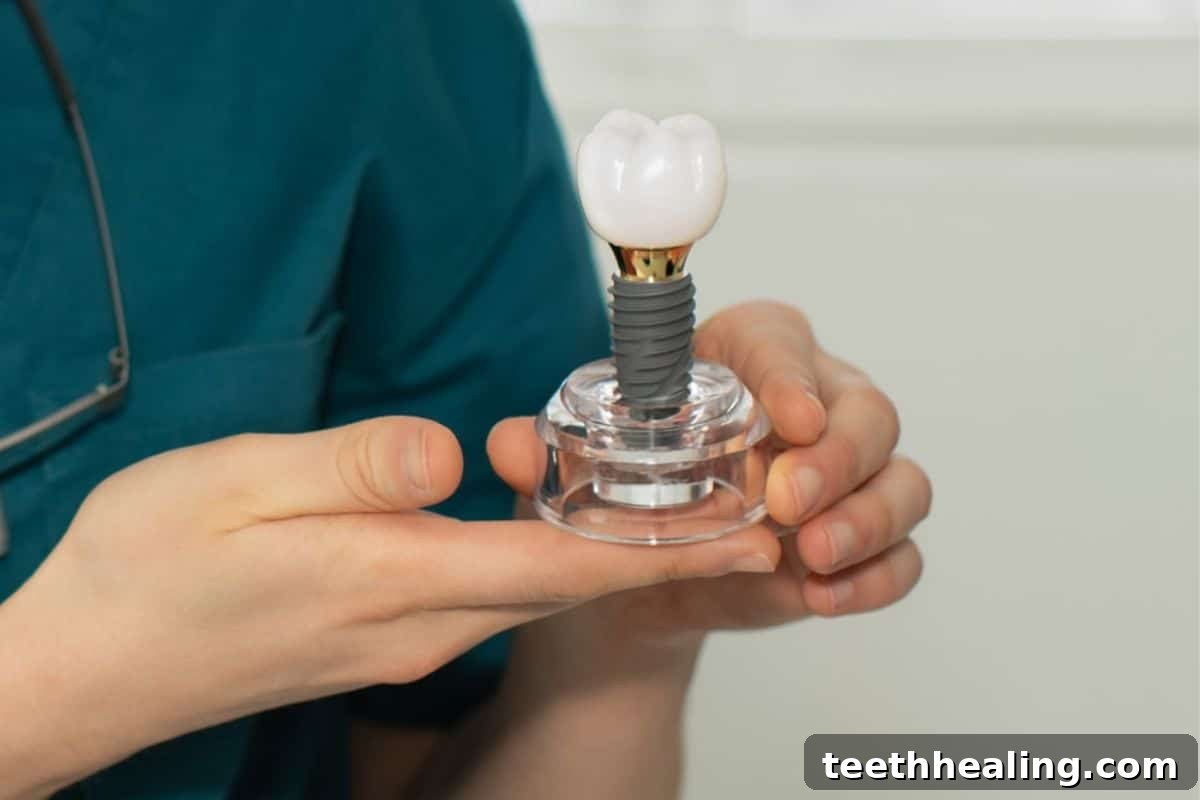
Dental implants stand as a revolutionary solution for individuals seeking to replace missing teeth, offering unparalleled stability, functionality, and aesthetic appeal. Widely recognized for their impressive longevity and effectiveness, these titanium posts, surgically placed into the jawbone, boast a remarkable success rate exceeding 95%, a figure proudly highlighted by the American Academy of Implant Dentistry. However, achieving and maintaining this high success rate is not a passive process; it hinges significantly on consistent and diligent care. For anyone who has recently undergone dental implant surgery or is contemplating this life-changing procedure, understanding the nuances of proper implant maintenance is absolutely crucial. This comprehensive guide is designed to empower you with the knowledge and practices necessary to protect your significant investment, ensuring your dental implants remain healthy, functional, and beautiful for many years, even decades, to come.
Mastering Your Daily Oral Hygiene: The Cornerstone of Implant Success
While dental implants are immune to cavities, the surrounding gum tissue and bone are not. This is why daily oral hygiene forms the absolute bedrock of long-term implant success. Neglecting proper cleaning can lead to serious complications, most notably peri-implantitis, a progressive inflammatory condition that affects the soft tissues and bone supporting the implant. Peri-implantitis, akin to gum disease in natural teeth, is a leading cause of implant failure, making meticulous home care an non-negotiable part of your routine.
To effectively protect your implants, commit to brushing your teeth at least twice a day, ideally in the morning and before bed. Always opt for a soft-bristle toothbrush, as hard bristles can be abrasive and potentially irritate the delicate gum tissue around your implants. Pair this with a low-abrasive toothpaste, which cleans effectively without scratching the implant surface or causing undue wear on natural tooth enamel. When brushing, focus on gently cleaning around the gum line of both your natural teeth and implants, using small, circular motions. Don’t forget to clean the chewing surfaces and the back of your mouth.
Brushing alone isn’t enough to reach all the crevices. Interdental cleaning is equally vital. Use non-waxed dental floss specifically designed for implants, or better yet, incorporate interdental brushes. These tiny brushes are excellent for cleaning the tight spaces between your implants and natural teeth, as well as the unique contours around the implant post itself. Your dentist might also recommend a water flosser (oral irrigator), which can be highly effective in dislodging food particles and plaque from around implants and below the gum line with a gentle stream of pulsating water. For an added layer of protection, particularly if you have a history of gum issues or if advised by your dental professional, consider incorporating an antimicrobial mouth rinse into your daily routine. These rinses can help reduce harmful bacteria in your mouth, contributing to healthier gum tissue around your implants and natural teeth.
Forging a Partnership with Your Implant Dentist: Professional Oversight is Key
While your diligent home care routine is undeniably critical, it simply cannot replace the expertise and specialized tools offered by an experienced implant dentist. Regular professional checkups are not just recommended; they are an indispensable component of long-term implant maintenance. These visits allow for the early detection and intervention of any potential issues, often before they escalate into more significant, costly, or complex problems.
Most dental professionals advise scheduling comprehensive checkups and cleanings every six months. However, if you have certain risk factors, such as a history of gum disease, uncontrolled diabetes, or if you are a smoker, your dentist may recommend more frequent visits to closely monitor your oral health and the stability of your implants. During these crucial appointments, your implant dentist in Palm Desert, or wherever you reside, will employ specialized, non-abrasive tools designed specifically for cleaning around implant surfaces without causing any damage. Unlike traditional scaling instruments that can scratch the titanium surface, these specialized tools ensure thorough cleaning while protecting your valuable implants.
Beyond cleaning, the dentist will meticulously monitor several key aspects: the stability of your implants, the health of the surrounding gum tissue, and the integrity of the supporting bone. They will visually inspect for any signs of inflammation, bleeding, or infection. X-rays, taken periodically, are vital for assessing the bone levels around each implant, providing critical insight into bone integration and early detection of any bone loss that could indicate developing peri-implantitis. Your dentist is your most valuable partner in safeguarding your implant investment, providing the professional oversight necessary to address concerns proactively and maintain optimal oral health.
Mind Your Mouth: Dietary Choices and Their Impact on Implant Longevity
Dental implants are engineered for remarkable strength and durability, designed to withstand the rigors of chewing and biting much like natural teeth. However, it’s crucial to remember that they are not indestructible. Just as you wouldn’t use your natural teeth to open bottles, your implant crowns can be susceptible to damage from excessive force or certain types of foods. Avoiding excessively hard or sticky foods is a prudent measure to protect your investment.
Be particularly cautious with items like ice cubes, unpopped popcorn kernels, hard candies, or even very tough nuts. Biting down on these with extreme force can potentially chip or crack your implant crowns, or in severe cases, even compromise the integrity of the implant-bone interface. While such occurrences are rare, prevention is always better than repair.
Beyond avoidance, your diet plays a crucial role in supporting overall oral health and, by extension, the health of your dental implants. Fueling your body with nutrient-rich foods that promote strong bones is paramount. Ensure your diet includes adequate amounts of calcium, vital for bone density, and Vitamin D, which is essential for calcium absorption. Protein is also critical for tissue repair and overall healing processes. Dairy products, leafy green vegetables, fortified cereals, and lean meats are excellent sources of these vital nutrients. A balanced diet supports healthy jawbone density, which in turn provides a strong foundation for your implants.
Hydration is another often-overlooked aspect of oral health. Drinking plenty of water throughout the day helps to naturally neutralize harmful acids produced by bacteria in your mouth and effectively washes away food particles that could otherwise contribute to plaque buildup. This is beneficial for both your natural teeth and the gums surrounding your implants. Conversely, limiting sugary snacks and carbonated drinks is highly recommended. Sugars feed oral bacteria, leading to increased plaque accumulation and a higher risk of gum inflammation, which can indirectly impact the health of your implants. Acidic drinks can also erode natural tooth enamel, potentially creating an unbalanced oral environment that is less conducive to long-term implant success.
Kicking Destructive Habits: Protecting Your Implant Investment from Within
Certain lifestyle habits can significantly jeopardize the success and longevity of your dental implants. Identifying and eliminating these risks is a critical step in preserving your oral health and maximizing the lifespan of your implants.
Smoking is, without a doubt, one of the most detrimental habits to dental implant success. Numerous studies unequivocally demonstrate that smoking dramatically increases the risk of implant failure. Nicotine and other toxins in tobacco smoke constrict blood vessels, severely reducing blood flow to the gums and jawbone. This impaired circulation hinders the healing process post-surgery and compromises the long-term ability of the bone to integrate with the implant. Furthermore, smoking creates a hostile oral environment, increasing bacterial load and making gums more susceptible to infection, including peri-implantitis. Smokers are at least twice as likely to experience complications or even total implant failure compared to non-smokers. If you are serious about protecting your implant investment and ensuring its longevity, quitting smoking should be a top priority. Your dentist can offer resources and support to help you achieve this vital goal.
Beyond smoking, other physical habits can exert undue stress on your implants. It’s imperative to avoid using your teeth—whether natural or implanted—as tools. This includes habits like opening bottles, tearing open plastic packages, or biting your fingernails. These actions can subject your implant crowns to sudden, excessive forces that they are not designed to withstand, potentially leading to chips, cracks, or even loosening of the implant itself. Treat your implants with the same care and respect you would your natural teeth, understanding their purpose is for eating and speaking, not as utility devices.
The Silent Threat: Addressing Bruxism with a Custom Night Guard
If you suffer from bruxism, commonly known as teeth grinding or clenching, you might be unknowingly putting your dental implants at significant risk. Bruxism, whether it occurs consciously during the day or, more commonly, unconsciously during sleep, can exert immense and prolonged pressure on your teeth and jaw. This sustained force can be particularly detrimental to dental implants.
When you grind or clench, the excessive occlusal forces are transmitted through the implant to the surrounding bone. Over time, this constant stress can lead to several serious issues: it can hinder the bone’s ability to maintain a strong bond with the implant, potentially causing the implant to loosen. It can also contribute to bone resorption around the implant, increasing the risk of peri-implantitis. Furthermore, the intense pressure can wear down or fracture implant crowns, necessitating costly repairs or replacements.
To mitigate these risks, your dentist will likely recommend a custom-fitted night guard. Unlike generic, over-the-counter options, a custom night guard is precisely molded to your unique bite. This ensures optimal comfort and, more importantly, effective distribution of chewing forces, cushioning your teeth and implants from the damaging effects of grinding and clenching while you sleep. A well-fitted night guard acts as a protective barrier, safeguarding both your natural teeth and your invaluable dental implants from excessive wear and stress, thereby contributing significantly to their long-term stability and health.
The Power of Proactivity: Scheduling Routine Maintenance Appointments
Maintaining a consistent schedule of professional dental appointments is a proactive strategy that directly contributes to keeping your dental implants in excellent, enduring condition. These routine maintenance visits are more than just cleanings; they are comprehensive evaluations designed to safeguard your implant investment.
During these crucial appointments, your dentist and hygienist will perform thorough cleanings using the specialized tools mentioned earlier, meticulously removing plaque and tartar from around your implants without causing damage. Equally important, the dentist will conduct a detailed examination of your entire oral cavity. This includes assessing the health of your gums, checking for any signs of inflammation or infection around the implants, and evaluating the stability of each implant. They will also look for any signs of wear or damage to your implant crowns or prosthetics.
A key component of routine implant maintenance is the periodic taking of X-rays. These radiographic images provide an invaluable glimpse beneath the gum line, allowing your dentist to precisely monitor bone levels surrounding each implant. Any subtle changes in bone density or signs of bone loss can indicate the early stages of peri-implantitis or other complications. Catching these issues early through X-ray analysis enables your dentist to intervene promptly, often with less invasive treatments, before a minor problem escalates into a major threat to your implant’s stability.
This proactive, vigilant approach to implant care is not just about preventing problems; it’s about extending the functional lifespan of your dental implants. While implants are designed to be durable, meticulous home care combined with regular professional oversight can significantly prolong their viability, potentially extending their lifespan by an impressive 10 years or more beyond their already impressive average. Think of these appointments as essential tune-ups for a high-performance vehicle – they ensure everything is functioning optimally, preventing breakdowns and maximizing longevity.
Ready to Protect Your Dental Implants and Ensure Their Lasting Success?
Dental implants represent a substantial and worthwhile investment in your oral health, confidence, and overall quality of life. With diligent and proper maintenance, these remarkable prosthetic solutions have the potential to last for 20+ years, often a lifetime. However, this impressive longevity is directly contingent upon your commitment to their care. It requires a consistent dedication to excellent daily oral hygiene, mindful dietary choices, the cessation of harmful habits, and, crucially, a steadfast adherence to your recommended schedule of professional dental visits.
By staying consistent with your oral hygiene routine, being mindful of what you eat, and prioritizing your regular dental checkups and specialized implant maintenance appointments, you are actively taking steps to protect your investment. You are ensuring that your implants not only survive but thrive, providing you with a stable, beautiful smile for decades to come. If you find yourself due for a cleaning, have any concerns about your dental implants, or simply need expert guidance on optimizing your implant care regimen, don’t hesitate. Take the proactive step today to schedule an appointment with your trusted local implant specialist in Palm Desert. Your long-term oral health and the future of your smile depend on it.