When an unexpected dental crisis strikes, the moments that follow can be filled with pain, anxiety, and uncertainty. Whether it’s a sudden, throbbing toothache, a visible broken tooth, or an unfortunate dental injury, understanding when and where to seek prompt emergency dentistry in Palm Desert is not just important – it’s crucial for protecting your oral health and overall well-being. Immediate dental care is paramount for relieving acute discomfort, preventing further damage to your teeth and gums, and ultimately saving your smile. Even while enjoying the serene beauty of Palm Desert’s Civic Center Park or exploring the wonders of the Living Desert Zoo and Gardens, a dental emergency can catch you off guard. That’s precisely why being prepared and knowing where to turn for urgent dental attention can make all the difference. This comprehensive guide will illuminate the top reasons you might need to seek immediate dental care and provide essential information on navigating a dental emergency in Palm Desert.
Understanding What Qualifies as a Dental Emergency
Many patients often wonder if their situation truly warrants an emergency visit or if it can wait for a standard appointment. Recognizing the signs of a genuine dental emergency is the first step toward swift and effective treatment. A dental emergency typically involves severe pain, significant injury to the teeth, gums, or jaw, uncontrolled bleeding, or the risk of losing a tooth or developing a serious infection. If you are experiencing any of the symptoms detailed below, it is imperative to act quickly and contact an emergency dentist without delay. Delaying treatment for true emergencies can lead to more complex problems, increased pain, and potentially irreversible damage.
Top Reasons to Seek Immediate Dental Attention in Palm Desert
Dental emergencies come in various forms, each requiring prompt professional assessment and care. Here are the most common situations that demand urgent dental intervention:
Severe Tooth Pain
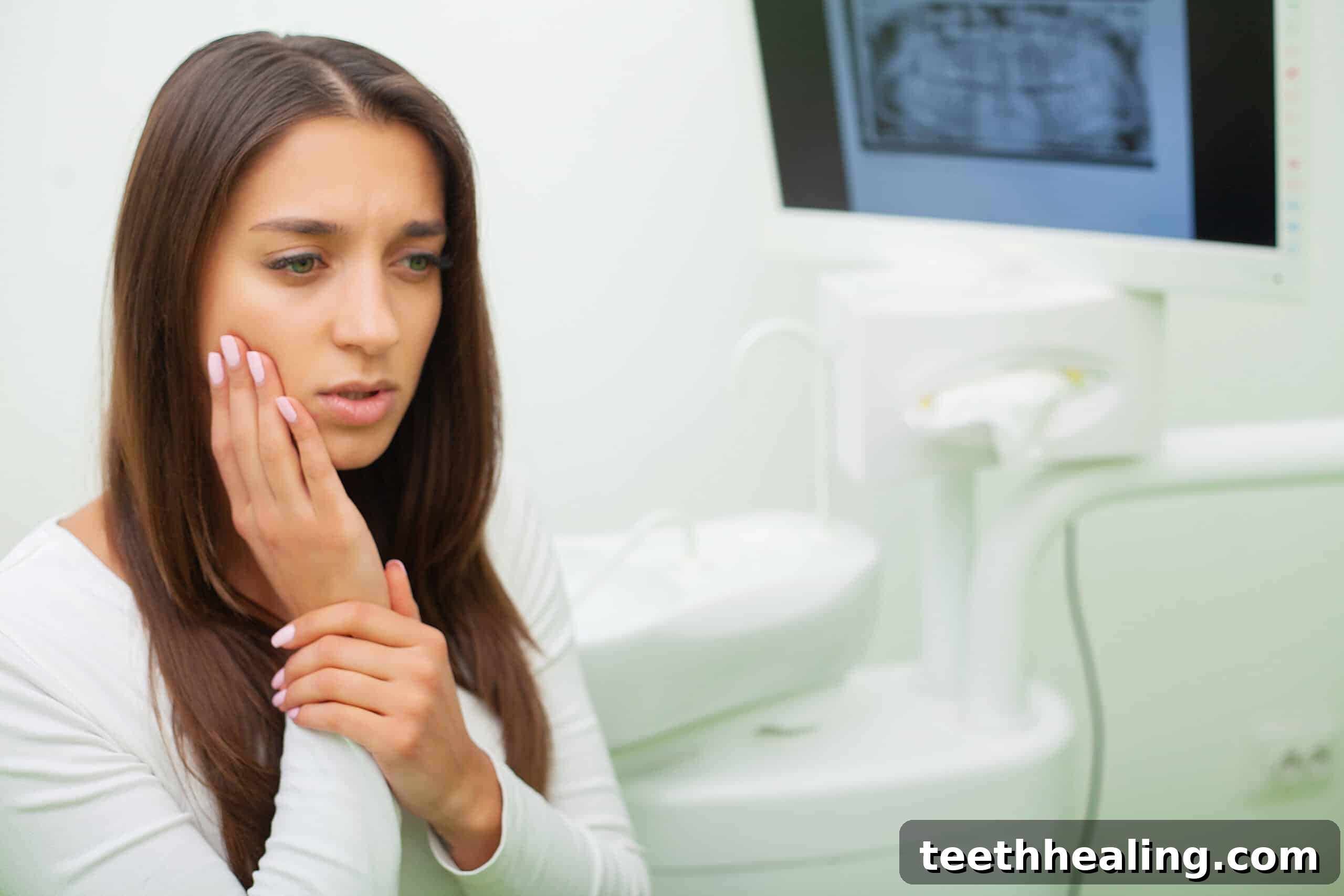
One of the most compelling and common reasons individuals seek emergency dental care in Palm Desert is debilitating tooth pain. This isn’t just a minor ache; it’s an intense, persistent, or throbbing pain that over-the-counter painkillers struggle to alleviate. Such severe pain is often a red flag, indicating a significant underlying issue like a deep cavity that has reached the tooth’s pulp, an acute infection, or a dental abscess. Ignoring severe tooth pain can lead to the spread of infection, potentially causing more widespread health complications. An emergency dentist can diagnose the root cause of your pain and provide immediate relief and treatment, which might include root canal therapy or extraction if the tooth is beyond saving.
Cracked or Broken Teeth
Accidents and unexpected incidents can lead to a cracked or broken tooth, causing both aesthetic concerns and significant pain. Whether the injury results from a fall, a sports-related impact, grinding teeth, or biting down on something exceptionally hard, a fractured tooth demands immediate attention. Depending on the severity and location of the crack or break, emergency dental repair, such as bonding, a crown, or even extraction, may be necessary. The sooner you visit a dentist, the higher the likelihood of saving the tooth and preventing further damage, such as infection of the exposed pulp or complete tooth fracture. Rinse your mouth with warm water and apply a cold compress to the face to reduce swelling until you can see a dentist.
Knocked-Out Teeth (Avulsed Tooth)
A knocked-out tooth, also known as an avulsed tooth, is perhaps one of the most time-sensitive dental emergencies. If you act swiftly and correctly, there’s a good chance your dentist may be able to re-implant the tooth successfully. The crucial window for re-implantation is typically within the first hour after the incident. If a tooth is knocked out, handle it carefully by the crown (the chewing surface) – avoid touching the root. Gently rinse it with milk or saline if available, but do not scrub it. If possible, try to gently reinsert it into the socket. If not, store the tooth in a cup of milk, your own saliva, or a tooth preservation kit, and rush to an emergency dentist immediately. Prompt action greatly increases the chances of saving the tooth.
Dental Abscess or Swelling
A dental abscess represents a severe bacterial infection that forms around the root of a tooth or in the gums. This condition can manifest with noticeable swelling in the face or jaw, intense discomfort, a fever, and sometimes a persistent foul taste in the mouth due to pus drainage. You might also notice a pimple-like bump on your gums. While initial symptoms might sometimes subside, the infection itself does not resolve without professional intervention. Left untreated, an abscess can spread rapidly, leading to more severe health complications, including widespread infection to other parts of the body. Urgent dental treatment is essential to drain the infection, alleviate pain, and prevent its dangerous progression.
Lost Fillings or Crowns
The loss of a dental filling or a crown might not always be painful initially, but it quickly becomes an urgent matter. When a restoration falls out, it leaves the sensitive inner layers of your tooth (dentin and sometimes the pulp) exposed to bacteria, food particles, and temperature changes, significantly increasing your risk of infection or further damage. Beyond the discomfort and heightened sensitivity, a lost filling or crown can interfere with your ability to chew properly and may even lead to further fracture of the weakened tooth structure. If you find yourself with a lost filling or crown in Palm Desert, seeking urgent dental treatment to have it replaced or repaired as soon as possible is crucial to protect your tooth’s integrity.
Soft Tissue Injuries
Injuries to the soft tissues of your mouth, including your gums, tongue, inner cheeks, or lips, can be quite alarming due to excessive bleeding and pain. Lacerations, punctures, or tears in these delicate tissues can occur from biting down too hard, sports injuries, or accidents. While some minor cuts might heal on their own, significant wounds require immediate dental attention to control bleeding, thoroughly clean the area to prevent infection, and ensure proper healing. In some cases, stitches may be necessary to close the wound effectively and minimize scarring. Applying gentle pressure with a clean cloth and using a cold compress can help manage bleeding and swelling on your way to the dentist.
Dental Implants and Restoration Issues
Dental implants offer an incredibly durable and aesthetically pleasing long-term solution for replacing missing teeth. However, if you experience issues such as a dental implant feeling loose, persistent pain around the implant site, or a prosthetic restoration (like a crown or bridge) attached to an implant becoming dislodged, it is essential to consult with a prosthodontist immediately. These issues can indicate underlying problems like peri-implantitis (an infection around the implant) or a structural compromise. Prompt assessment and intervention are vital to safeguard the longevity of your implant and prevent potential bone loss or implant failure.
Persistent Bleeding
While minor bleeding from gums after aggressive brushing or flossing can be common, persistent or uncontrolled bleeding from your gums or mouth is a serious symptom that warrants immediate attention. This type of bleeding may be a sign of a significant underlying issue, such as advanced gum disease, an injury that hasn’t clotted properly, or even systemic health conditions. If you experience bleeding that doesn’t subside after applying gentle pressure, or if you have spontaneous bleeding, immediate oral care is essential. A dentist can accurately diagnose the cause of the bleeding and implement the necessary treatment to stop it and address the underlying condition.
How Do You Know If You Need Emergency Dental Care?
The line between a minor dental issue and a full-blown emergency can sometimes be blurry. However, a good rule of thumb is to consider the severity of your symptoms and the potential for long-term damage. You likely need immediate dental care if you are experiencing severe, unrelenting pain that disrupts your daily activities, have sustained a visible injury to a tooth or soft tissues, or notice significant and sudden swelling, uncontrolled bleeding, or signs of infection in your mouth. If you’re ever uncertain about the urgency of your situation, it’s always prudent and highly recommended to contact a dental professional. They can provide guidance over the phone, assess your symptoms, and advise whether an emergency visit is necessary or if a regular appointment will suffice.
Can You Find an Emergency Dentist Open Late in Palm Desert?
Dental emergencies, by their very nature, rarely adhere to convenient business hours. In these urgent situations, accessing a dentist who can provide care outside of normal office hours is invaluable. Many reputable practices in Palm Desert understand that dental crises can occur at any time – be it late at night, on weekends, or during holidays. They offer extended hours and dedicated emergency services to ensure you receive the prompt treatment you need when you need it most. When searching for an “emergency dentist near me” or “24-hour dental care Palm Desert,” it’s reassuring to know that compassionate and experienced professionals are available to assist you in your time of need.
If you’re grappling with severe tooth pain that won’t subside, don’t delay treatment in hopes that it will magically disappear. Contacting the best emergency dentist for severe tooth pain, such as a highly experienced prosthodontist, is your most effective course of action. In Palm Desert, Dr. Robert McLachlan Jr. stands out for his expertise in providing effective pain relief and comprehensive treatment solutions designed to get you back on track. With nearly 25 years of dedicated experience, Dr. McLachlan Jr. is passionate about crafting personalized treatment plans for his patients, ensuring not only immediate relief but also long-term oral health.
What to Do If You Crack a Tooth on a Holiday?
Accidents and dental emergencies have an uncanny way of occurring at the most inconvenient times, often during holidays or special events when most dental offices are closed. If you crack a tooth during the holiday season, the most important thing is to remain calm and seek emergency dental care as soon as possible. In the immediate aftermath, gently rinse your mouth with warm water to clean the area and alleviate discomfort. You can also apply a cold compress to the outside of your cheek near the affected area to help reduce any swelling. Imagine if you are attending major events like the Coachella music festival, immersed in the festivities, and suddenly, a dental crisis strikes. Even if leaving seems undesirable, prioritizing your oral health and protecting your teeth from many future issues, such as infection or further structural damage, is paramount. Many emergency dentists offer holiday hours for just such predicaments, so don’t hesitate to call.
Patient Review: An Experience with Dr. Robert McLachlan Jr.
“Clean office, friendly staff, and amazing dentists! I first came to the practice as an emergency patient on a very busy day, and still, they fit me in, listened to my issue, diagnosed me, and treated me. I made them my main dental provider that day.” — Jason Merrell.
Protect Your Teeth with Our Expert Emergency Care in Palm Desert
Facing a dental crisis can be overwhelming, but you don’t have to navigate it alone. If you’re experiencing a sudden toothache, a cracked tooth, a knocked-out tooth, or any other urgent dental issue, do not hesitate to reach out for immediate professional care. Seeking emergency dentistry in Palm Desert promptly can be the decisive factor in saving your teeth, alleviating discomfort, and preventing more severe complications. With nearly a quarter-century of dedicated experience, Dr. Robert McLachlan Jr. and his compassionate team are committed to providing comprehensive immediate dental care with a personalized approach. Their expertise ensures that you receive the precise and professional help you need when it matters most, restoring your comfort and protecting your smile.
For urgent dental attention and peace of mind during a dental emergency, we encourage you to schedule an appointment with Dr. Robert McLachlan Jr. and his team today. Simply call our office to speak directly with our friendly and supportive team members who are ready to guide you and secure the timely treatment you deserve. Don’t let pain escalate or a minor issue become a major problem; get the expert help you need at Palm Desert Dentist: Cosmetic, Restorative, & Implant Dentistry. Your oral health is our priority. Book an appointment now!
Frequently Asked Questions About Dental Implants and Emergency Care
It’s completely normal to experience some discomfort or mild pain for a few days to a week after a dental implant procedure. However, there’s generally no need for excessive worry. Your dentist will provide you with thorough and compassionate post-operative instructions, including pain management strategies and care tips, to ensure your comfort and help facilitate a smooth and swift recovery process. Following these guidelines carefully is key to a positive outcome.
Some of the most common and generally mild side effects following a dental implant placement include localized swelling, a degree of mild discomfort or soreness, and sometimes slight bruising near the implant site. Fortunately, these symptoms are typically temporary and tend to subside naturally within a few days of the procedure. Should you have any concerns about your recovery or experience unexpected symptoms, please do not hesitate to reach out to your dental professional. Our team is always here to provide support and guidance every step of your healing journey!
For a successful healing period and to protect your newly placed dental implant, it is strongly recommended to stick exclusively with soft foods for at least a few weeks post-surgery. This practice helps ensure the delicate integration process between the implant and your jawbone (osseointegration) proceeds smoothly and keeps your new implant safe from undue stress or potential damage. Remember, being diligent with your dietary choices during this critical initial phase can significantly impact the long-term success and stability of your implant!
Post-implant gum care is crucial for the health and longevity of your dental restoration. It’s essential to meticulously follow the specific care instructions provided by your dentist, especially when cleaning around your implant. Maintaining a diligent daily oral hygiene routine is paramount; this includes gentle brushing at least twice a day, daily flossing (or using interdental brushes) to effectively remove plaque and food debris from around the implant, and incorporating an antiseptic mouthwash as recommended. Such a consistent and careful routine will significantly contribute to the health of your gums and the long-term success of your dental implant.