Navigating the vast array of dental hygiene products designed to keep your smile bright and healthy can be overwhelming. From traditional dental floss to innovative water flossers and versatile interdental brushes, each tool promises to tackle the crucial task of cleaning the often-neglected spaces between your teeth. But which option truly offers the best defense against tooth decay, gum disease, and bad breath? This comprehensive guide aims to demystify the choices, providing you with the insights needed to select the ideal interdental cleaning solution tailored to your unique oral health needs and preferences, ensuring a foundation for lifelong dental wellness.
Water Flossers, Interdental Brushes, or Traditional Floss: Deciphering the Best Choice for Superior Oral Health
Achieving and maintaining optimal oral health extends far beyond mere surface cleaning with a toothbrush. While brushing remains the cornerstone of daily dental hygiene, it’s the meticulous cleaning of interdental spaces that truly sets the stage for a healthy mouth and contributes significantly to your overall well-being. These tight, often intricate areas are prime breeding grounds for plaque and food particles, necessitating specialized tools for effective removal. In this exploration, we will delve into the distinct advantages and ideal applications of three primary interdental cleaning methods: the powerful hydrotherapy of water flossers, the precision of interdental brushes, and the time-tested effectiveness of traditional dental floss.
The Undeniable Importance of Interdental Cleaning: Beyond the Toothbrush
The intricate architecture of your mouth means that approximately 30-35% of your tooth surface is nestled within the interdental spaces—the areas where your teeth touch. A standard toothbrush, regardless of its design or bristle type, simply cannot effectively reach and clean these critical regions. This oversight allows for the persistent accumulation of dental plaque, a sticky film of bacteria that, if left undisturbed, hardens into tartar. This unchecked plaque buildup is the primary catalyst for a cascade of oral health issues. It fuels the development of cavities by producing acids that erode tooth enamel, leads to gingivitis (the early stage of gum disease characterized by inflammation, redness, and bleeding gums), and can progress to periodontitis, a more severe form of gum disease that can result in bone loss, tooth mobility, and even tooth loss. Furthermore, the bacteria thriving in these neglected spaces are a leading cause of halitosis, commonly known as bad breath. Beyond the oral cavity, there’s growing evidence linking poor oral hygiene and gum disease to systemic health conditions, including cardiovascular disease, diabetes, and respiratory issues. Therefore, diligent interdental cleaning isn’t just about a pretty smile; it’s a vital component of your holistic health strategy.
Water Flossers: The Dynamic Power of Hydrotherapy for Gum Health
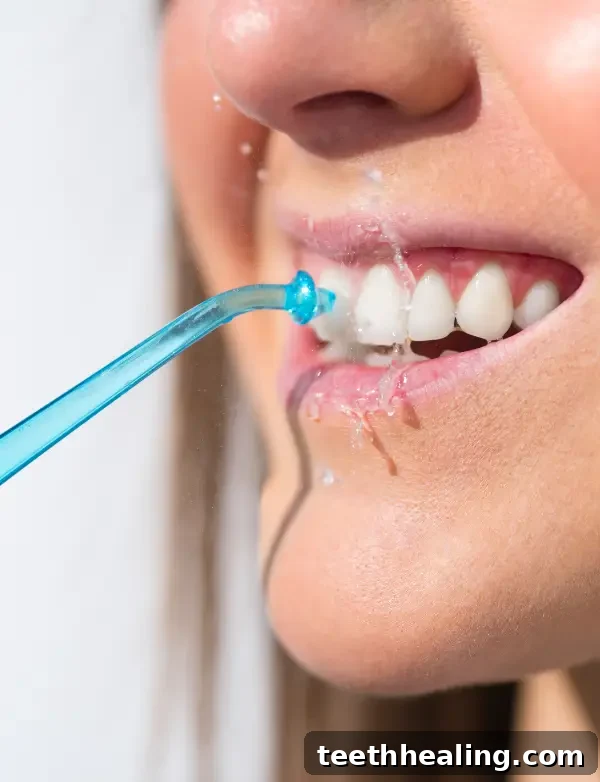
Water flossers, often exemplified by popular brands like Waterpik, utilize a pulsating stream of water to dislodge food particles and plaque from between teeth and below the gumline. This innovative approach offers a unique blend of effectiveness and gentleness, making them a preferred choice for many individuals. The hydro-kinetic action of the water jet can effectively reach areas that traditional string floss might miss, especially in complex oral environments. They are particularly beneficial for:
- Orthodontic Appliances (Braces): For individuals undergoing orthodontic treatment, cleaning around wires, brackets, and bands can be a significant challenge. Water flossers excel in this regard, flushing out trapped food debris and plaque more effectively and with less effort than traditional floss, thereby helping to prevent white spot lesions and gingivitis during treatment.
- Dental Implants, Crowns, & Bridgework: Maintaining the health of dental implants and surrounding tissues is paramount to their longevity. Water flossers provide a gentle yet powerful way to clean around these prosthetic devices, removing bacteria that can lead to peri-implantitis (gum disease around implants) without damaging the delicate restorative materials. They are equally effective for fixed bridges and crowns, ensuring thorough cleaning where multiple teeth are connected.
- Gum Disease (Gingivitis & Periodontitis): The pulsating water stream effectively cleans deep periodontal pockets (spaces between teeth and gums that form due to gum disease), flushing out bacteria and toxins. Regular use can significantly reduce gum inflammation and bleeding, contributing to the management and even reversal of early-stage gum disease.
- Sensitive Gums: For those who experience discomfort or bleeding with traditional string floss, a water flosser can be a much gentler alternative, providing effective cleaning without the physical friction that can sometimes irritate sensitive gum tissues.
- Dexterity Challenges: Individuals with arthritis, limited hand mobility, or other dexterity issues often find water flossers much easier to use than trying to manipulate string floss, ensuring consistent and effective interdental cleaning.
- Freshens Breath: By efficiently removing food particles and bacteria from hard-to-reach areas, water flossers contribute significantly to fresher breath and a cleaner oral sensation.
Many models come with various pressure settings and specialized tips (e.g., orthodontic tip, plaque seeker tip, periodontal tip), allowing for a customized cleaning experience. Proper maintenance, including regular cleaning of the reservoir and tips, ensures optimal performance.
Interdental Brushes & Floss Picks: Precision Cleaning for Every Gap
Interdental cleaners, which encompass interdental brushes, rubber picks, and floss picks, offer a direct, mechanical approach to plaque removal. They are designed to physically sweep away plaque and debris from the spaces between teeth. Each type serves a slightly different purpose and caters to specific needs:
- Interdental Brushes (Proxy Brushes): These small, brush-like tools consist of a tiny bristled head attached to a handle, available in a variety of sizes and shapes. They are exceptionally effective for cleaning wider interdental spaces, around braces, and between bridge units. The key to their effectiveness lies in selecting the correct size – the brush should fit snugly but without force into the gap. Different sizes allow for precise cleaning, reaching surfaces that neither a toothbrush nor string floss can adequately address. Their ergonomic designs often make them easier to handle than string floss, particularly for cleaning molar areas.
- Floss Picks: Combining a short length of dental floss with a plastic handle, floss picks offer convenience and portability. They are particularly useful for quick cleaning on the go or for individuals who find it difficult to wrap string floss around their fingers. While excellent for the anterior (front) teeth, their fixed angle can sometimes make it challenging to achieve the “C-shape” wrap necessary for thorough cleaning around posterior (back) teeth and beneath the gum line, making them generally less effective for comprehensive plaque removal than traditional string floss or interdental brushes in specific areas.
- Traditional Dental Floss (String Floss): The original and often considered the “gold standard” for interdental cleaning, string floss requires a specific technique to be effective. When used correctly, wrapping the floss in a C-shape around each tooth surface and gently moving it up and down and slightly below the gumline, it provides unparalleled physical plaque disruption. String floss is versatile and can navigate even the tightest contacts. Options include waxed for easier gliding, unwaxed for more friction (though prone to shredding), and PTFE (polytetrafluoroethylene) floss for ultra-smooth gliding and strength. Its effectiveness hinges entirely on proper technique, which can be challenging for some to master.
These mechanical cleaners are indispensable for ensuring that plaque is physically dislodged and removed, complementing the flushing action of water flossers and the surface cleaning of toothbrushes.
Making the Informed Choice: Water Flosser, Interdental Brush, or Traditional Floss?
The “best” interdental cleaning tool isn’t a universal answer; it’s a personalized decision based on your unique oral anatomy, specific health conditions, lifestyle, and preferences. Understanding these factors will guide you toward the most effective and sustainable choice for your daily routine:
- Individual Oral Health Needs:
- Gum Health: If you suffer from gingivitis, periodontitis, or have sensitive gums prone to bleeding, a water flosser can be a gentler yet highly effective option, helping to reduce inflammation without causing irritation. For those with deeper periodontal pockets, a water flosser with a specialized tip can reach deeper than manual tools.
- Orthodontic Appliances or Restorations: Braces, dental implants, crowns, and bridges present unique cleaning challenges. Water flossers are often recommended due to their ability to clean around these structures without dislodging them or getting tangled. Interdental brushes can also be very effective for braces and bridges, provided the correct size is used.
- Crowded or Misaligned Teeth: Tightly packed or overlapping teeth can make traditional flossing difficult. Water flossers can navigate these complexities more easily. However, small interdental brushes or specific types of string floss can also be effective with careful technique.
- Interdental Space Size & Anatomy:
- Narrow Gaps: For very tight spaces where even thin string floss struggles, specialized fine string floss or water flossers may be the most viable options. Floss picks can also work for front teeth.
- Wider Gaps (Diastemas): These are perfectly suited for interdental brushes, which come in various sizes to fill the gap and provide thorough cleaning. Water flossers are also excellent for flushing out larger debris from these spaces.
- Receding Gums: When gums recede, leaving exposed root surfaces and larger triangular spaces, interdental brushes can effectively clean these areas. Water flossers offer a gentle approach to clean sensitive, exposed root surfaces.
- Ease of Use & Dexterity:
- Manual Dexterity Issues: For individuals with conditions like arthritis, Parkinson’s disease, or limited hand coordination, water flossers are generally much easier to operate than string floss, ensuring consistent and thorough cleaning. Interdental brushes with ergonomic handles can also be easier to grip and maneuver than string floss.
- Convenience & Speed: Floss picks offer unmatched convenience for quick touch-ups. Water flossers are generally quicker to use than meticulously flossing with string, especially once you get the hang of it.
- Personal Preference & Consistency: The most effective tool is the one you will use consistently. If you find one method more comfortable, enjoyable, or simply easier to integrate into your daily routine, you are more likely to stick with it. Experiment with different options to see what feels best and provides the cleanest sensation.
The Synergy Approach: Integrating Multiple Interdental Tools for Comprehensive Care
While the goal is to choose the “best” tool, for many, the optimal strategy isn’t to pick just one, but rather to embrace a synergistic approach by incorporating multiple interdental cleaning methods into their daily routine. This combined strategy leverages the unique strengths of each tool, providing a more comprehensive and robust defense against plaque and oral diseases.
For instance, one highly effective routine could involve using a water flosser first. The pulsating stream of water can powerfully dislodge loose food particles and biofilm from between teeth and beneath the gumline, essentially performing a pre-rinse and initial sweep. Following this, an interdental brush or traditional string floss can then be used to meticulously remove any remaining stubborn plaque that the water stream might not have fully detached. This sequential cleaning ensures that both the larger debris and the sticky bacterial film are thoroughly addressed. Alternatively, you might use a water flosser daily for general cleaning, and then once or twice a week, supplement with interdental brushes or string floss for a deeper, more focused plaque removal, particularly in areas prone to buildup. The rationale behind this combined approach is simple: different tools excel at different tasks. A water flosser’s strength lies in its ability to flush and irrigate, while brushes and floss are masters of mechanical plaque disruption and removal. By integrating both, you are providing your teeth and gums with the most thorough and multifaceted cleaning possible, significantly elevating your oral hygiene and contributing to a healthier, more resilient smile.
Elevating Your Oral Hygiene with Expert Guidance from Evolve Dental Brisbane
While the information presented here offers a comprehensive overview, making the final decision on the most suitable interdental cleaning tools for your specific needs is best done in consultation with a dental professional. At Evolve Dental Healing in Brisbane, we believe in a personalized, holistic approach to dental care that considers your overall health and unique oral anatomy. Before incorporating any new dental hygiene tools or significantly altering your routine, we highly recommend scheduling a consultation with our experienced team.
Our dedicated dental professionals can conduct a thorough assessment of your oral health, including evaluating your gum health, the size and nature of your interdental spaces, the presence of any dental restorations or orthodontic appliances, and your manual dexterity. Based on this comprehensive evaluation, we can offer tailored advice and demonstrate the correct techniques for using water flossers, interdental brushes, or traditional floss, ensuring you maximize their effectiveness. We can also provide recommendations on specific brands or types of products that align with your individual requirements and oral health goals. By partnering with Evolve Dental Healing, you’re not just choosing a dental practice; you’re opting for expert guidance that empowers you to achieve a healthier, more radiant smile and support your general health for years to come.
Beyond Cleaning: The Holistic Approach to a Radiant Smile
At Evolve Dental Healing, our philosophy extends beyond simply treating immediate dental issues. We champion a holistic dentistry approach, recognizing that your oral health is intrinsically linked to your overall systemic health and well-being. This means we don’t just focus on the teeth themselves, but also on the health of your gums, jaw, and the impact of lifestyle factors such as nutrition, stress, and environmental exposures. Integrating effective interdental cleaning tools into your daily routine is a fundamental step within this broader holistic framework. It’s an active commitment to preventative care that reduces the risk of dental disease and its potential ripple effects throughout your body. By understanding the interconnectedness of your oral and general health, and by utilizing the right tools and techniques recommended by our experts, you are taking proactive steps towards a vibrant, healthy life, underscored by a beautiful and confident smile that truly reflects your inner vitality. Let us guide you on this journey to optimal well-being.
Take the Next Step Towards Optimal Oral Health Today!
Are you ready to elevate your oral health with personalized, expert advice and discover the best interdental cleaning regimen for you? Don’t let uncertainty prevent you from achieving the healthy, radiant smile you deserve. Book a comprehensive consultation with our experienced dental professionals at Evolve Dental Healing in Brisbane. We are here to assess your specific needs, answer all your questions, and recommend the most effective oral hygiene practices and products to keep your smile healthy, beautiful, and a true reflection of your overall wellness. Take control of your oral health journey today and experience the difference that expert, holistic dental care can make.
Call 07 3720 1811 or BOOK ONLINE HERE for your personalized consultation.