Comprehensive Guide to Dental Implant Recovery: What to Expect After Surgery
Dental implants stand as a cornerstone of modern restorative dentistry, offering a robust, long-lasting, and highly effective solution for replacing one or more missing teeth. They are widely celebrated for their ability to restore both the aesthetics and functionality of a natural smile, significantly improving quality of life. If you’re considering or preparing for dental implant surgery, it’s perfectly natural to feel a blend of excitement for the future and curiosity about the journey ahead, particularly regarding the recovery process. Understanding what to expect during your healing period is paramount, as it plays a crucial role in ensuring a smooth recovery, minimizing complications, and ultimately achieving the successful integration of your new implant.
This comprehensive guide is meticulously designed to walk you through every stage of the recovery process after receiving dental implants. We will provide practical, easy-to-follow care tips, address the most common questions patients have post-procedure, and offer invaluable insights to help you feel confident and well-prepared. Whether you are planning for a single tooth replacement or embarking on a full-mouth restoration, this article aims to equip you with the knowledge needed for a comfortable and successful healing experience, leading to a restored, beautiful smile.
Immediate Aftercare: The Crucial First 24–48 Hours
The period immediately following your dental implant procedure is critical for laying the foundation for successful healing. While dental implant surgery is generally well-tolerated, your mouth will require specific care during these initial hours. You should anticipate experiencing some mild discomfort, localized swelling, and potentially slight bleeding near the surgical site. These symptoms are a normal and expected part of your body’s natural healing response to the procedure.
To help you manage these initial sensations and promote a comfortable recovery, here’s what you should do:
- Apply an Ice Pack: To effectively reduce swelling, gently apply an ice pack to the outside of your cheek, directly over the surgical area. Use it in 15-minute intervals (15 minutes on, 15 minutes off) for the first 24-48 hours. This helps constrict blood vessels and minimize inflammation.
- Control Bleeding with Gauze: If you experience minor bleeding, gently bite down on a piece of clean gauze placed directly over the surgical site. Apply firm, consistent pressure for about 30-45 minutes. Replace the gauze as needed until the bleeding subsides. Avoid vigorous rinsing or spitting, as this can dislodge the blood clot and prolong bleeding.
- Choose Soft, Cool Foods: For the first day or two, it is imperative to consume only soft, easy-to-chew foods that are cool or lukewarm. Hot foods and beverages can increase blood flow to the surgical site, potentially aggravating it and causing discomfort or renewed bleeding. Excellent choices include yogurt, blended soups (cooled down), applesauce, mashed potatoes, smoothies, and soft scrambled eggs.
- Manage Discomfort with Medication: Take any prescribed pain medications exactly as directed by your dentist. For milder discomfort, over-the-counter pain relievers such as ibuprofen or acetaminophen can be very effective. It’s often best to take the first dose before the local anesthetic wears off completely to stay ahead of any potential pain.
- Avoid Strenuous Activity: While most patients feel well enough to return to normal daily activities within 1-2 days, it is crucial to avoid any strenuous physical activity during this initial phase. Elevated heart rate and blood pressure can increase the risk of bleeding and swelling. Rest and relaxation are key to early healing.
- Do Not Use Straws: The sucking motion created when using a straw can create negative pressure in the mouth, potentially dislodging the protective blood clot at the surgical site. This can lead to complications such as a “dry socket” (though less common with implants, still a risk) and renewed bleeding.
- Avoid Touching the Site: Resist the urge to poke or prod the surgical area with your tongue or fingers. This can introduce bacteria and disrupt the healing process.
Week One: Focused Healing and Diligent Monitoring
As you transition into the first week post-surgery, the soft tissues surrounding your implant will begin their significant healing process. While you’ll still need to exercise caution with your eating habits and oral hygiene routines, you should notice a considerable decrease in discomfort, typically fading significantly after the third day. This week is crucial for preventing infection and ensuring the surgical site remains undisturbed.
Here’s what you can generally expect during this period:
- Swelling Gradual Subsidence: The initial swelling should begin to gradually subside within 5-7 days. While some residual puffiness might remain, the peak swelling usually occurs within the first 48 hours. Continuing with cold compresses intermittently can still be beneficial if swelling persists.
- Suture Management: Depending on the type of sutures used, they may either dissolve on their own over this week or the following, or your dentist may schedule an appointment for their removal. If your sutures need removal, your dentist will advise you on the timing. Do not attempt to remove them yourself.
- Gentle Oral Rinsing: You will likely be asked to begin gently rinsing your mouth with a warm saltwater solution (a teaspoon of salt in 8 ounces of warm water) or a dentist-recommended antimicrobial rinse. Begin these rinses 24 hours after surgery, performing them 2-3 times a day, especially after meals. This helps keep the area clean and reduces bacteria without irritating the healing tissue. Avoid vigorous swishing.
- Resuming Gentle Brushing: You can resume brushing your teeth normally, but exercise extreme caution around the surgical site for the first few days. Use a soft-bristled toothbrush and avoid directly brushing the implant area. Your dentist might recommend a specialized surgical toothbrush or technique. Maintaining overall oral hygiene is vital to prevent the accumulation of plaque and bacteria near the healing site.
- Diet Progression: You can gradually introduce slightly firmer (but still soft) foods into your diet as discomfort diminishes, but continue to avoid anything hard, crunchy, sticky, or excessively chewy. Listen to your body and chew on the opposite side of your mouth if possible.
- Avoid Smoking and Alcohol: If you haven’t already, it is absolutely vital to abstain from smoking and alcohol during this phase, and ideally for much longer. Both substances significantly impede the healing process, increase the risk of infection, and can compromise the success of osseointegration.
It’s important to remember that every patient’s healing journey is unique. If you received a single tooth implant procedure, your recovery might feel more manageable compared to having multiple implants placed or undergoing additional procedures like bone grafting. Regardless of the complexity of your case, diligently following your provider’s detailed post-operative instructions is the most critical factor for a successful outcome.
2 to 6 Weeks Post-Surgery: The Crucial Phase of Osseointegration
This period marks the true beginning of osseointegration—a biological miracle and the most critical process for the long-term success of your dental implant. Osseointegration is the phenomenon where the dental implant, typically made of biocompatible titanium, gradually fuses and integrates directly with your jawbone. This intimate biological bonding provides the incredibly strong and stable foundation that makes dental implants remarkably durable, secure, and lifelike, mimicking the function of a natural tooth root.
What to expect during this vital phase:
- No Visible External Changes, Profound Internal Healing: Externally, you won’t observe dramatic changes in your mouth during this phase. However, beneath the surface, your jawbone is actively growing and merging with the implant surface. This process is silent but profoundly important.
- Continued Dietary Precautions: While your initial discomfort should be minimal or entirely resolved by now, it’s still advisable to continue eating softer foods, especially if your dentist has recommended it. Avoid putting excessive biting force directly on the implant site. Gradual reintroduction of harder foods should only occur with your dentist’s approval.
- Strict Avoidance of Smoking and Alcohol: The importance of avoiding smoking and alcohol during this phase cannot be overstated. These substances severely impede the body’s natural healing capabilities and can directly interfere with osseointegration, significantly increasing the risk of implant failure.
- Adherence to Regular Check-ups: Consistent attendance at your scheduled follow-up appointments is crucial. Your dentist will monitor the progress of osseointegration through clinical evaluations and, if necessary, X-rays to ensure the implant is bonding correctly with your bone. These check-ups are also an opportunity to address any questions or concerns you might have.
- Maintaining Excellent Oral Hygiene: Continue with your diligent oral hygiene routine, including gentle brushing around the implant site and using any prescribed mouth rinses. Keeping your mouth clean prevents bacterial buildup that could compromise the healing process.
Most patients report minimal to no discomfort during this period. The key to a successful outcome is patience, consistency with your oral hygiene regimen, and unwavering commitment to your follow-up visits.
Long-Term Healing & Restoration Completion: 3 to 6 Months (and Beyond)
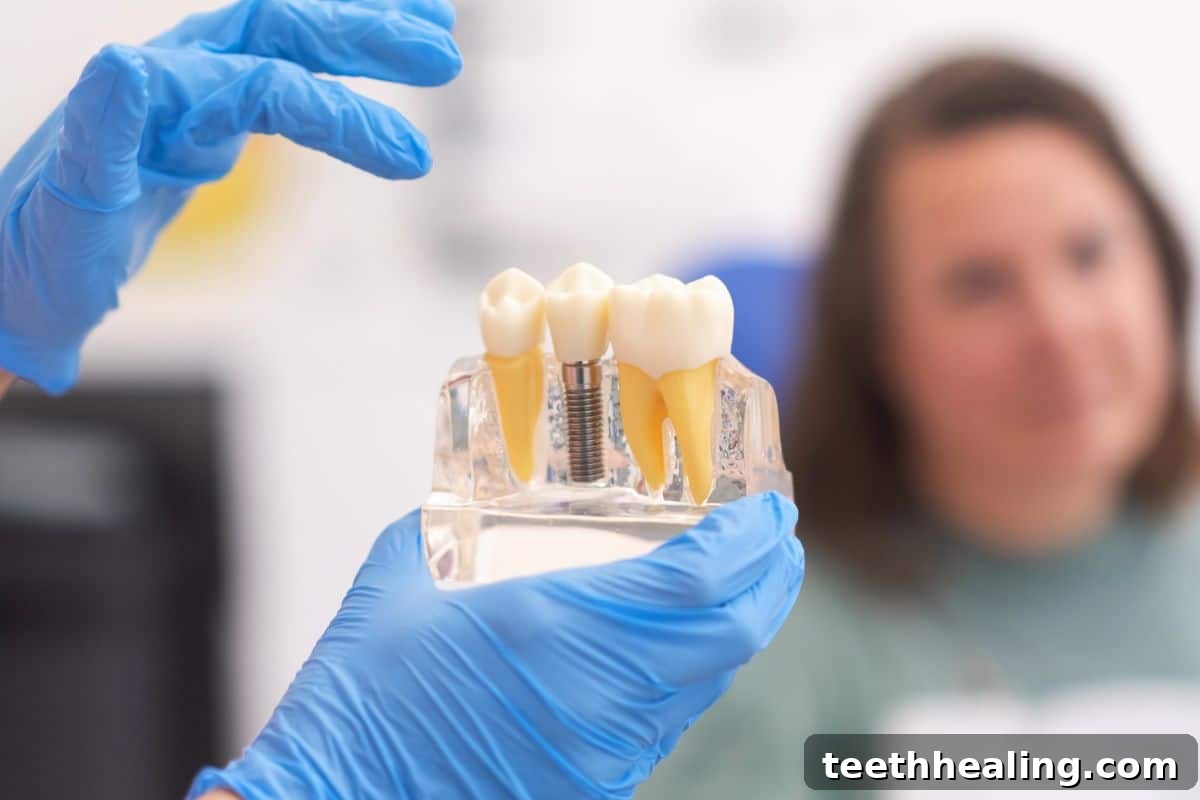
By the time you reach the 3 to 6-month mark, your dental implant should be securely and completely integrated into your jawbone. Your dentist will confirm this through detailed X-rays or thorough clinical evaluations, ensuring the implant has achieved the necessary stability. Once this crucial stability is confirmed, it marks an exciting transition to the final stage: the placement of the abutment and the custom-designed final crown, bringing your restoration to its beautiful and functional completion.
During this final restorative stage, you can expect the following:
- Abutment Placement: The abutment is a small connector piece that screws into the top of the integrated implant and protrudes above the gum line. This acts as the anchor for your new crown. In some cases, the abutment may have been placed at the time of surgery; in others, a minor procedure may be needed to uncover the implant and attach the abutment.
- Impressions for Your Custom Crown: Once the abutment is in place, your dentist will take precise digital or traditional impressions of your mouth. These impressions are then sent to a dental lab where a skilled technician will craft a custom crown that perfectly matches the color, shape, and size of your existing natural teeth, ensuring a seamless blend with your smile.
- Trial Fit and Bite Adjustment: When your custom crown is ready, you’ll return for a trial fit. Your dentist will carefully place the crown and make any necessary adjustments to ensure optimal comfort, aesthetics, and functionality. This includes meticulously adjusting your bite to prevent any undue pressure on the implant or surrounding teeth, ensuring a natural and balanced feel.
- Permanent Crown Placement: Once all adjustments are made and you are completely satisfied, the crown will be permanently cemented or screwed onto the abutment, completing your dental implant restoration.
- Your Smile Will Feel and Look Complete: This is the moment you’ve been waiting for! With the final crown in place, your new tooth will look, feel, and function just like a natural tooth. You’ll be able to chew, speak, and smile with renewed confidence.
Even after the crown is placed, remember that dental implants require ongoing care. Regular dental check-ups and professional cleanings are essential to maintain the health of your implant and surrounding gum tissues, ensuring its longevity for many years to come.
Expert Tips to Optimize and Speed Up Your Dental Implant Recovery
While the body has its own natural healing timeline, there are several proactive steps you can take to not only ensure a smooth recovery but also potentially speed up the process and minimize discomfort. Adhering to these professional tips can make a significant difference in your overall experience and the long-term success of your implant:
- Stay Exceptionally Hydrated: Drinking plenty of water is fundamental to good health and accelerates recovery. Water helps your body flush out toxins, transport nutrients to healing tissues, and maintain overall bodily functions crucial for repair. Avoid sugary drinks, caffeine, and alcohol, which can dehydrate you.
- Prioritize Rest and Quality Sleep: Your body performs its most intensive healing and regenerative processes during sleep. Aim for at least 7-9 hours of quality sleep each night. Allowing your body ample rest conserves energy that can then be directed towards recovery, promoting faster tissue repair and reducing fatigue.
- Consume Nutrient-Rich, Healing-Friendly Foods: Fuel your body with a diet rich in vitamins and minerals known for their healing properties.
- Vitamin C: Essential for collagen production and wound healing (found in citrus fruits, berries, bell peppers).
- Vitamin A: Supports immune function and tissue repair (found in carrots, sweet potatoes, leafy greens).
- Zinc: Crucial for immune system strength and cell regeneration (found in lean meats, nuts, legumes).
- Protein: The building block of tissues, vital for repair (found in lean meats, fish, eggs, dairy, plant-based proteins).
Stick to soft, blended, or mashed foods initially, gradually expanding your diet as advised by your dentist.
- Maintain Meticulous Oral Hygiene: Keeping your mouth clean is paramount to prevent infection and promote healthy tissue growth around the implant site. Follow your dentist’s specific instructions for brushing and rinsing. Use a soft toothbrush and be gentle around the surgical area. Antimicrobial rinses may be prescribed to further reduce bacteria.
- Absolutely Avoid Smoking and Alcohol: This cannot be stressed enough. Smoking severely restricts blood flow, delaying healing and dramatically increasing the risk of implant failure. Alcohol can interfere with medications and dehydrate your body, hindering recovery. Abstain completely during the entire healing period.
- Manage Stress Effectively: High stress levels can negatively impact your immune system and overall healing ability. Practice relaxation techniques such as deep breathing, meditation, or gentle stretching to keep stress at bay.
- Follow All Post-Operative Instructions Diligently: Your dentist’s instructions are tailored to your specific case and are designed to optimize your recovery. Read them carefully and adhere to them without compromise. If anything is unclear, do not hesitate to call your dental office for clarification.
- Avoid Touching the Surgical Site: As mentioned, resist the temptation to touch the implant area with your tongue, fingers, or any objects. This can introduce bacteria, irritate the healing tissue, and potentially dislodge protective clots.
When to Call Your Dentist: Recognizing Potential Complications
While complications following dental implant surgery are rare, it’s crucial to be aware of the signs that may indicate an issue requiring professional attention. Early detection and intervention are key to ensuring successful outcomes. Contact your dentist immediately if you notice any of the following symptoms:
- Persistent or Worsening Pain: While some discomfort is normal, pain that intensifies, lasts beyond 7-10 days, or is not relieved by prescribed medication could be a sign of infection or other complications.
- Excessive or Prolonged Bleeding: Some oozing is normal initially, but if you experience heavy, continuous bleeding that doesn’t stop after applying pressure with gauze, or if bleeding recurs unexpectedly, contact your dentist.
- Signs of Infection: Be vigilant for indicators such as pus discharge from the surgical site, a fever, persistent foul odor or taste in your mouth, or increasing redness and warmth around the implant.
- Significant or Increasing Swelling: While initial swelling is expected, swelling that suddenly increases after the first few days, spreads to other areas of your face, or is accompanied by pain or fever could indicate an infection.
- Numbness or Tingling: Prolonged or new onset of numbness or tingling in your lips, chin, or tongue beyond the initial hours after surgery may indicate nerve irritation and should be reported.
- A Loose Feeling in the Implant: The dental implant should feel completely stable and integrated. Any sensation of movement, looseness, or wobbling in the implant itself or the temporary restoration should be reported immediately.
- Allergic Reaction: Though rare, signs of an allergic reaction to medication (e.g., rash, hives, difficulty breathing) require immediate medical attention.
Catching and addressing any concerns early can prevent minor issues from escalating and significantly improves the chances of a successful long-term result for your dental implant.
FAQs About Dental Implant Recovery
To further assist you in your recovery journey, here are answers to some frequently asked questions:
Q: Can I go to work after getting dental implants?
A: Most individuals are able to return to work or their normal daily routines within one to two days after the procedure. However, if your job is physically demanding or requires significant exertion, you might benefit from taking an extra day or two of rest to avoid any strain on the healing site. It’s always best to discuss your specific job requirements with your dentist.
Q: What foods should I avoid after dental implant surgery, and for how long?
A: During the first week, strictly avoid hard, crunchy (like nuts or popcorn), spicy, acidic, or very hot foods and beverages. Sticky foods (like caramels) should also be avoided as they can pull on the surgical site. Opt for soft, cool, and nutrient-dense meals such as yogurt, blended soups, smoothies, mashed potatoes, and scrambled eggs. You can gradually reintroduce slightly firmer foods after the first week, but continue to avoid biting directly on the implant site for several weeks or months, as advised by your dentist, to protect the osseointegration process.
Q: Are dental implants painful during or after the procedure?
A: The dental implant procedure itself is performed under local anesthesia, and often with additional sedation, so you should not feel any pain during the surgery. After the anesthesia wears off, it’s normal to experience some mild to moderate discomfort, which is typically well-managed with over-the-counter pain relievers or prescribed medication. Most patients report that the discomfort is less than anticipated and significantly less than a tooth extraction. Pain usually subsides within a few days to a week.
Q: When can I resume normal exercise and physical activity?
A: It is generally recommended to avoid strenuous exercise for at least 3-7 days after surgery, or even longer if multiple implants were placed or bone grafting was performed. Increased heart rate and blood pressure from exercise can lead to increased bleeding, swelling, and discomfort, potentially dislodging blood clots. Your dentist will provide specific guidance based on your individual recovery progress.
Q: Can I wear my removable denture or partial during the healing period?
A: Wearing a removable denture or partial over the implant site can put pressure on the healing area and compromise osseointegration. Your dentist will advise you on whether and when it is safe to wear your denture, possibly after modifications to prevent it from resting on the surgical site. In many cases, a temporary, non-removable solution or a modified denture may be provided.
Q: How long does the entire dental implant process typically take from surgery to final crown?
A: The complete dental implant process, from surgical placement to the final crown, typically spans 3 to 6 months. This timeline accounts for the crucial osseointegration period, where the implant fuses with the jawbone. Factors such as the patient’s bone quality, number of implants, and whether additional procedures (like bone grafting) were necessary can influence the overall duration.
Q: What is the long-term success rate of dental implants?
A: Dental implants boast an impressive long-term success rate, often exceeding 95% over 10 years when properly placed and maintained. This high success rate is attributed to their biocompatibility with bone and the strength achieved through osseointegration. Proper oral hygiene, regular dental check-ups, and avoiding detrimental habits like smoking are key to their longevity.
Ready to Restore Your Smile and Confidence?
Embarking on the journey to receive dental implants is a significant decision, but the life-changing rewards of a fully restored, functional, and beautiful smile are undoubtedly worth the investment. By thoroughly understanding the recovery process, knowing what to expect at each stage, and diligently following your dentist’s post-operative instructions, you will feel more in control, prepared, and confident every step of the way. This proactive approach significantly contributes to a smooth healing experience and the long-term success of your implants.
If you’re ready to take the next step towards reclaiming your smile and improving your oral health, we encourage you to schedule a personalized dental implant consultation with a highly qualified and experienced implant dentist in your area. During this consultation, your dentist will conduct a thorough evaluation of your specific case, answer all your questions in detail, and carefully guide you through every stage of the process, ensuring you feel completely informed and comfortable from beginning to end.