
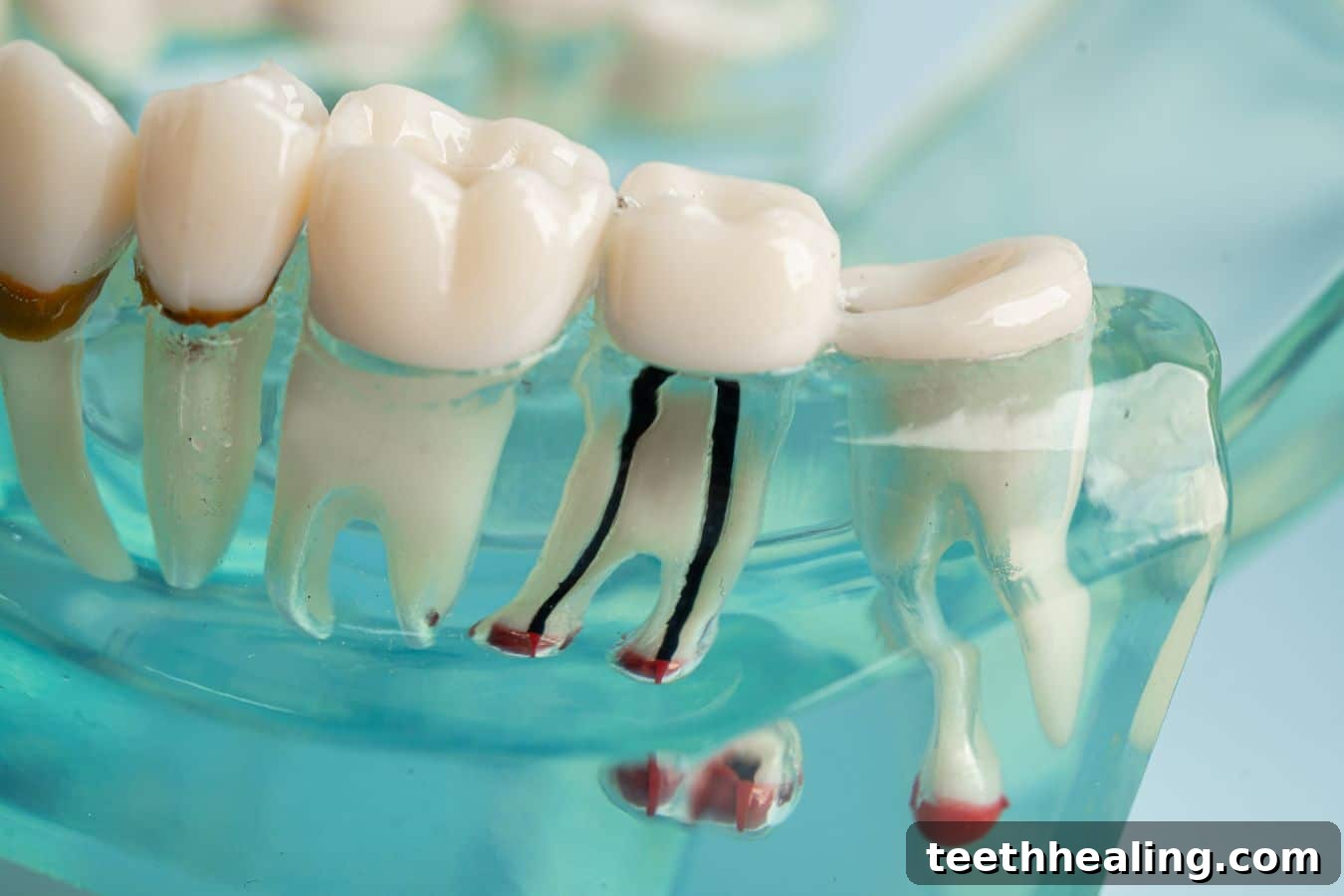
Root Canal Treatment for Sensitive Teeth: Finding Lasting Relief and Preserving Your Smile
Living with sensitive teeth can transform everyday pleasures into moments of sharp discomfort. The simple act of sipping a hot beverage, indulging in an ice cream treat, or even the routine of brushing your teeth can trigger an intense, unwelcome jolt of pain. While occasional sensitivity might be a fleeting annoyance, persistent, severe, or lingering tooth sensitivity often signals a more profound issue lurking beneath the surface, such as deep tooth decay, cracks, or nerve damage within the tooth’s core. In such instances, when conservative treatments like desensitizing toothpastes prove ineffective, a root canal treatment, also known as endodontic therapy, frequently emerges as the most effective and definitive solution. This comprehensive guide will illuminate the complexities of tooth sensitivity, explain why a root canal might be the critical intervention you need, detail the step-by-step procedure, and highlight how it can finally offer you the lasting comfort and preserved smile you’ve been seeking.
Unraveling the Mystery of Tooth Sensitivity: What Causes It?
Tooth sensitivity, clinically termed dentin hypersensitivity, arises when the protective outer layers of your tooth are compromised, exposing the delicate inner structures to external stimuli. The primary culprit is often the dentin layer, which lies beneath the hard enamel on the crown and the cementum on the root surface. Dentin is a porous tissue, honeycombed with thousands of microscopic tubules that act as direct conduits to the tooth’s pulp – the innermost chamber housing nerves, blood vessels, and connective tissue. When these dentinal tubules become exposed, hot, cold, acidic, or sweet substances can directly stimulate the nerves within the pulp, triggering that characteristic sharp, often sudden, pain.
Understanding the various factors that contribute to dentin exposure is key to addressing sensitivity:
- Enamel Erosion: The gradual wearing away of enamel, the tooth’s outermost protective layer, can occur due to several reasons. This includes consuming highly acidic foods and drinks (like sodas, fruit juices, and citrus fruits), gastroesophageal reflux disease (GERD), aggressive brushing techniques using a hard-bristled toothbrush, or teeth grinding (bruxism) and clenching habits. As enamel thins, dentin becomes more vulnerable.
- Gum Recession: When gum tissue pulls back from the teeth, it exposes the root surfaces. Unlike the crown, which is covered by robust enamel, the roots are protected by a softer layer called cementum. Cementum erodes more easily, quickly exposing the underlying dentin tubules. Gum recession can be a consequence of periodontal (gum) disease, overly aggressive brushing, or even genetic predisposition.
- Tooth Decay (Cavities): A cavity is essentially a hole in the tooth caused by bacteria producing acids that dissolve tooth structure. As decay progresses, it can breach the enamel and dentin, creating a direct, unprotected pathway for bacteria and irritants to reach the pulp.
- Cracked or Chipped Teeth: Physical trauma, biting down on hard objects, or large fillings can lead to cracks, chips, or fractures in the tooth. These openings can expose the inner dentin or even the pulp itself, allowing bacteria to penetrate and cause sensitivity or infection.
- Worn or Leaky Fillings: Old or damaged dental fillings can become loose, crack, or wear down over time. This creates gaps where bacteria and food particles can accumulate, leading to secondary decay underneath the filling and exposing the sensitive dentin or pulp.
- Recent Dental Procedures: It’s common to experience temporary sensitivity after certain dental treatments, such as fillings, crowns, or professional cleanings. This type of sensitivity usually subsides within a few days or weeks as the tooth recovers and adapts.
While many cases of mild sensitivity can be effectively managed with desensitizing toothpastes, fluoride treatments, or by modifying dietary and oral hygiene habits, persistent and extreme sensitivity, especially when it manifests as throbbing pain or lingering discomfort long after the stimulus is removed, often indicates a more serious underlying issue. This heightened level of discomfort suggests that the tooth’s pulp, the vital core, may be inflamed or infected, making a root canal treatment a potentially crucial and timely intervention.
Why a Root Canal Becomes Necessary: Addressing Deep-Seated Issues
A root canal treatment is typically recommended when the pulp inside the tooth – the soft tissue containing nerves, blood vessels, and connective tissue – becomes irreversibly inflamed, infected, or damaged. This critical inner tissue plays a vital role in the tooth’s development and sensation. When it is compromised, the body’s natural healing mechanisms are often insufficient, leading to escalating pain, chronic infection, and potential systemic health risks. Understanding the specific conditions that necessitate a root canal for sensitive teeth is paramount for informed dental health decisions and for preserving your natural dentition.
The primary reasons a root canal may be required include:
- Irreversible Pulpitis from Deep Decay: When a cavity progresses unchecked, it can penetrate the enamel and dentin, eventually reaching and infecting the pulp. This infection causes significant inflammation (pulpitis). If the inflammation is severe and persistent, it becomes irreversible, meaning the pulp cannot heal on its own and will eventually die.
- Trauma to the Tooth: A severe blow or injury to the tooth, even without visible external damage, can cause internal damage to the pulp. This trauma can disrupt blood supply, leading to pulp necrosis (death of the pulp tissue) and subsequent infection.
- Cracked or Fractured Teeth: Deep cracks or fractures that extend into the pulp chamber create an open pathway for oral bacteria to invade and infect the pulp. These cracks can be subtle and difficult to detect without specialized diagnostic tools.
- Repeated Dental Procedures on the Same Tooth: While rare, multiple dental procedures on the same tooth over time can sometimes irritate or traumatize the pulp, eventually leading to its inflammation or infection and requiring endodontic therapy.
- Severe Gum Disease: In advanced cases, periodontal disease can lead to significant bone loss around the tooth, allowing bacteria to reach the pulp from the root tip, leading to infection.
When the pulp becomes infected, it cannot heal on its own. If left untreated, the infection will spread beyond the tooth’s root tip, creating a painful, pus-filled pocket known as a dental abscess. This abscess can cause excruciating pain, swelling in the face or jaw, and can lead to significant bone loss around the tooth. Furthermore, the infection can potentially spread to other parts of the body, leading to more serious health complications. Therefore, a root canal serves not only to alleviate intense sensitivity and pain but also to halt the spread of infection, prevent the formation of a debilitating abscess, and ultimately preserve the natural tooth structure, avoiding the need for extraction.
Recognizing the following signs and symptoms is crucial, as they often indicate the necessity of a root canal for severe tooth sensitivity:
- Persistent or Severe Tooth Pain: This is often the most common symptom. Pain that doesn’t subside, even after removing the stimulus, or a deep, throbbing ache that wakes you up at night, strongly indicates irreversible pulpitis or infection.
- Lingering Sensitivity to Hot or Cold Temperatures: While routine sensitivity reacts instantly and fades quickly, sensitivity that persists for several seconds or even minutes after exposure to hot or cold foods/drinks is a classic sign of significant pulp inflammation.
- Sensitivity to Sweets or Acidic Foods: A sudden and intense increase in sensitivity to sugary or sour foods can indicate deep decay that has almost or already reached the pulp.
- Pain or Discomfort When Chewing or Biting: This symptom suggests inflammation around the tooth’s root, potentially due to an abscess, or a fractured tooth.
- Swelling or Tenderness in the Gums: Inflammation, redness, or a localized “pimple-like” bump (known as a fistula or sinus tract) on the gum near the affected tooth signals an active infection and the formation of a dental abscess.
- Darkening or Discoloration of the Tooth: A tooth that appears darker or discolored compared to its neighbors can indicate that the pulp inside has died and the tooth is necrotic.
- Pus Formation: The presence of pus draining from around the affected tooth is a clear sign of infection.
If you experience any combination of these symptoms, it’s imperative to consult with your dentist promptly. Early and accurate diagnosis and timely treatment can prevent further complications, alleviate suffering, and significantly improve the long-term prognosis for your dental health.
The Root Canal Procedure: A Detailed Journey to Pain Relief
Despite lingering myths, modern root canal treatment is a highly routine, predictable, and generally comfortable procedure. Designed to efficiently remove infection, eliminate pain, and save your natural tooth, the experience, thanks to significant advancements in dental technology and local anesthetics, is often comparable to that of receiving a standard dental filling. The primary objective is to meticulously clean out the infected or damaged pulp, thoroughly disinfect the tooth’s internal structure, and then seal it to prevent any future contamination. Here’s a detailed breakdown of what you can typically expect during a root canal procedure:
- Thorough Diagnosis and Local Anesthesia: The process begins with a comprehensive examination by your dentist, often including digital X-rays and other diagnostic tests (like pulp vitality tests), to precisely identify the extent of the infection or damage and confirm that a root canal is the most appropriate treatment. Once diagnosed, your dentist in Palm Desert will administer a local anesthetic to thoroughly numb the affected tooth and the surrounding gum tissue. This ensures that you experience absolutely no pain throughout the procedure, only perhaps a sensation of pressure. Your comfort is the highest priority, making the experience as stress-free as possible.
- Isolation and Access Creation: To maintain a sterile environment and prevent saliva and bacteria from entering the tooth during treatment, a small, thin sheet of latex or non-latex material called a dental dam is carefully placed around the tooth. This also protects you from ingesting any debris. Next, a small access hole is precisely drilled through the crown of the tooth, creating a direct pathway to the pulp chamber and the intricate network of root canals. The size and location of this opening are meticulously calculated to allow the dentist effective access to the tooth’s interior while preserving as much of the tooth’s natural structure as possible.
- Pulp Removal, Cleaning, and Disinfection: Using specialized, incredibly fine instruments known as endodontic files, the infected or damaged pulp tissue—which includes the nerves, blood vessels, and any bacteria—is meticulously removed from the pulp chamber and throughout each root canal. This is the critical stage where the source of your severe sensitivity and pain is physically eliminated. The canals are then thoroughly cleaned and extensively irrigated with antiseptic solutions, such as sodium hypochlorite, to completely disinfect the entire internal structure of the tooth, eradicating any remaining bacteria and debris. This step is crucial for preventing re-infection.
- Shaping the Root Canals: After thorough cleaning and disinfection, the root canals are carefully shaped using precise instruments. This shaping creates a smooth, tapered space within each canal, which is essential for ensuring that the subsequent filling material can be effectively and completely placed and sealed. This step is vital for the long-term success of the treatment, as it prevents future bacterial re-entry and ensures a tight seal.
- Filling and Sealing the Canals: Once the root canals are meticulously cleaned, disinfected, and shaped, they are filled with a biocompatible, rubber-like material called gutta-percha. This material is inserted into each canal along with an adhesive sealer to ensure a complete, hermetic (watertight) seal. This seal is crucial for preventing any bacteria from re-entering and re-infecting the treated tooth. A temporary filling is then placed in the access opening to protect the tooth until the final, permanent restoration can be completed in a subsequent visit.
- Final Restoration with a Dental Crown: The final and often most critical step after a root canal is the placement of a permanent restoration, most commonly a dental crown. While a root canal successfully removes the infection and pain, the treated tooth, particularly molars and premolars that endure significant chewing forces, can sometimes become structurally weakened after the procedure due to the access opening and removal of internal tooth structure. A dental crown completely encases the entire visible portion of the treated tooth, providing essential strength, protecting it from fractures, and restoring its natural appearance and full chewing function. Your dentist will take impressions for your custom-made crown, which will be cemented onto the tooth during a follow-up appointment. Without a proper and timely permanent restoration, the treated tooth remains vulnerable to damage and potential re-infection.
Through careful execution and the application of modern endodontic techniques, a root canal is a highly successful procedure capable of saving a severely damaged or infected tooth and restoring it to full, pain-free function for many years, effectively eliminating the debilitating sensitivity and discomfort you once experienced.
Achieving Lasting Relief: Will a Root Canal Truly Eliminate Sensitivity?
For teeth suffering from significant nerve damage or irreversible pulp infection, a root canal treatment is not merely a temporary fix; it is often the definitive and lasting cure for chronic and intense sensitivity. The profound effectiveness of this procedure stems directly from its core mechanism: the complete removal of the infected or damaged pulp tissue, which contains the nerves responsible for sensing hot, cold, and pain. Once these sensory nerve tissues are meticulously removed, and the tooth’s interior is thoroughly cleaned, disinfected, and sealed, the very source of persistent discomfort is eliminated.
Following a successful root canal treatment, the vast majority of patients report a complete and enduring absence of the debilitating sensitivity that plagued them prior to the procedure. The treated tooth, although no longer containing vital pulp tissue, can still function perfectly within your mouth. It ceases to react with sharp pain to temperature changes, pressure, or other external stimuli because the sensory nerves, which transmitted these signals to the brain, have been removed. This restoration of comfort allows patients to enjoy a normal diet and oral functions without hesitation.
It is important to acknowledge that some mild sensitivity, soreness, or discomfort may be experienced in the days immediately following the root canal procedure. This is a normal and expected part of the healing process, as the tissues surrounding the treated tooth recover from the dental work and the slight inflammation subsides. This post-operative sensitivity is typically temporary, manageable with over-the-counter pain relievers, and usually resolves within a few days to a week. If severe pain, swelling, or unusual symptoms persist beyond this timeframe, it is crucial to contact your dentist immediately, as it could indicate a rare complication or a need for further evaluation.
The long-term success rate of root canal therapy is remarkably high, frequently exceeding 95% when the procedure is performed correctly by an experienced dentist or endodontist and is followed by an appropriate permanent restoration, such as a dental crown. By effectively eliminating the infection and creating a hermetic seal within the tooth, the procedure preserves the natural tooth structure, allowing it to remain a functional and asymptomatic part of your bite for decades, free from the previous sensitivity and pain.
Maintaining Your Comfort: Preventing Sensitivity After Root Canal Treatment
While a root canal effectively eliminates the source of sensitivity within the treated tooth, maintaining exemplary oral hygiene and adopting preventive habits are paramount for safeguarding the longevity of the treated tooth and ensuring your overall dental health. After undergoing a root canal and its subsequent restoration, you will want to implement strategies to prolong its lifespan and prevent any new issues from arising, either in the treated tooth or your other natural teeth.
- Practice Exemplary Oral Hygiene: This forms the bedrock of all dental health. Brush your teeth twice a day for a full two minutes each time, using a soft-bristled toothbrush and fluoride toothpaste. Fluoride significantly helps strengthen enamel, protecting against new decay and reducing general sensitivity in untreated teeth. Floss daily to meticulously remove plaque and food particles from between teeth and beneath the gum line, which is crucial for preventing gum disease and new cavities. Consider incorporating an antimicrobial mouthwash as part of your routine.
- Be Mindful of Hard or Sticky Foods: In the initial days or weeks after a root canal, particularly before a permanent crown is placed, the treated tooth might be more vulnerable. During this period, avoid chewing on hard candies, ice, nuts, or very sticky foods that could dislodge the temporary filling or potentially fracture the weakened tooth structure. Even with a permanent crown, it’s generally wise to exercise caution with excessively hard or chewy items to prevent undue stress on the restoration and your natural teeth.
- Schedule and Attend Regular Dental Check-ups: Routine dental examinations and professional cleanings are absolutely indispensable for long-term oral health. Your dentist can monitor the health of your treated tooth, check the integrity of your crown, detect any new decay or gum issues in other teeth early on, and provide targeted preventive care. These vital visits typically occur every six months and are critical for preventing minor problems from escalating into significant issues.
- Consider Wearing a Mouthguard for Bruxism or Sports: If you suffer from bruxism (teeth grinding or clenching), either consciously during the day or unconsciously while you sleep, a custom-fitted nightguard can provide essential protection for your teeth from excessive forces. Bruxism can lead to enamel erosion, tooth fractures, and even damage to dental restorations, including crowns, potentially causing renewed sensitivity or structural problems. Similarly, if you participate in contact sports, a protective sports mouthguard is indispensable to shield your teeth from impact and trauma.
- Manage Your Dietary Habits: Limit your consumption of highly acidic foods and beverages (e.g., carbonated drinks, citrus fruits, vinegar-based dressings) and sugary snacks. These can contribute to enamel erosion on other teeth and promote the development of new cavities, which could lead to future sensitivity or the need for additional dental work. Opt for a balanced diet rich in tooth-friendly foods.
- Address Any New or Lingering Symptoms Promptly: While typical post-root canal sensitivity is usually temporary, if you experience persistent pain, swelling, a foul taste, unusual sensitivity, or a sensation of uneven bite in the treated tooth or surrounding area, do not hesitate to contact your dentist immediately. Prompt action can prevent complications and ensure continued comfort.
By diligently adhering to these preventive measures, you can significantly enhance the longevity and success of your root canal treatment, protect your entire smile from future issues, and continue to enjoy a comfortable, pain-free life with optimal oral health.
When to Consult Your Palm Desert Dentist for Tooth Sensitivity
If you find yourself grappling with tooth sensitivity that disrupts your daily life, transforming simple pleasures like eating and drinking into sources of apprehension and dread, it’s a clear and unmistakable sign that professional dental evaluation is urgently needed. Do not dismiss persistent sensitivity as merely an inconvenience; it serves as a crucial warning signal from your body, indicating deeper issues that demand expert attention. Delaying treatment can unfortunately transform a treatable problem into a far more complex, painful, and costly situation.
Your dedicated dentist in Palm Desert is highly skilled and equipped to thoroughly investigate the underlying cause of your sensitivity. During your comprehensive consultation, they will conduct a detailed oral examination, which typically includes, but is not limited to:
- Thorough Visual Inspection: Carefully looking for any visible signs of tooth decay, gum recession, existing cracks, chips, or areas of worn enamel on all your teeth.
- Digital X-rays: To capture detailed images of your teeth, roots, and surrounding bone structures, revealing underlying issues like deep cavities, bone loss, infections at the root tip, or cysts that are not discernible to the naked eye.
- Pulp Vitality Tests: Using gentle hot and cold stimuli, along with an electric pulp tester, to accurately assess the health, responsiveness, and vitality of the tooth’s pulp.
- Percussion and Palpation Tests: Gently tapping the suspected tooth and carefully pressing on the surrounding gum tissue to identify specific areas of inflammation, infection, or tenderness.
- Periodontal Probing: Measuring the gum pockets around each tooth to check for signs of gum disease and gum recession.
Based on their meticulous findings and a precise diagnosis, your dentist will recommend the most appropriate and tailored course of treatment. For mild cases of sensitivity, conservative approaches such as desensitizing agents, fluoride varnishes, or personalized lifestyle and oral hygiene advice might suffice. However, if the sensitivity unequivocally points to irreversible pulp damage, deep infection, or severe inflammation, root canal therapy will likely be presented as the optimal and most definitive solution. Your dental professional will take the time to explain the procedure in comprehensive detail, address any concerns or questions you may have, and help you understand how it aligns perfectly with your overarching oral health goals and long-term well-being.
It is crucial to remember that a root canal is far more than just a procedure for pain relief; it is a critical, tooth-saving intervention designed to preserve your natural tooth from extraction. By effectively eliminating the source of infection and preserving the tooth’s structure, you maintain your natural bite alignment, support your facial structure, and completely avoid the potential complications, additional procedures, and higher long-term costs associated with tooth loss, such as needing dental bridges or implants. Reclaiming comfort, restoring your ability to eat and drink normally, and rebuilding confidence in your smile are absolutely achievable. If intense, persistent, and lingering sensitivity is significantly diminishing your quality of life, do not delay. Schedule a comprehensive visit with your trusted Palm Desert dental professional today to explore if a root canal is the transformative solution you need to fully restore your oral health, comfort, and overall well-being.