
Your natural teeth are invaluable assets, contributing significantly to your ability to chew, speak clearly, and maintain a confident smile. Modern dentistry, particularly in Palm Desert, offers advanced solutions to rescue and preserve these vital structures, with root canal therapy standing out as a cornerstone procedure. Often misunderstood, a root canal is a highly effective treatment designed to save a tooth that might otherwise be lost due to severe infection or damage. This comprehensive guide will illuminate the profound importance of root canals, detail the procedure itself, explain why it’s a crucial aspect of restorative dentistry in Palm Desert, and equip you with the knowledge to make informed decisions about your oral health.
Unveiling the Significance of Root Canals: A Deep Dive into Endodontic Therapy
Technically known as endodontic therapy, a root canal is a specialized dental procedure that treats the internal structure of a tooth. At the heart of every tooth lies the dental pulp – a delicate network of nerves, blood vessels, and connective tissues nestled within the pulp chamber and extending down into the root canals. This pulp is essential for tooth development, but once a tooth is fully formed, it can survive without it, deriving nourishment from surrounding tissues.
When this vital pulp becomes infected or inflamed, often due to deep decay, repeated dental procedures, cracks, or trauma, it can lead to excruciating pain, sensitivity, and, if left untreated, the formation of an abscess. An abscess is a pocket of pus that forms at the root tip, which can cause bone loss and spread infection to other parts of the body. A root canal procedure meticulously removes this infected or inflamed pulp, cleans and disinfects the internal spaces, and then seals them to prevent further infection, thereby saving the natural tooth.
When Is Root Canal Therapy in Palm Desert Necessary? Identifying the Warning Signs
Understanding when a root canal is needed is crucial for timely intervention and successful tooth preservation. While some cases might be asymptomatic, several indicators often signal the need for endodontic therapy. A consultation with a skilled Palm Desert dentist specializing in endodontics is essential for accurate diagnosis.
- Extensive Tooth Decay: When cavities progress unchecked, they can breach the protective layers of enamel and dentin, ultimately reaching and infecting the dental pulp. This deep bacterial invasion is one of the most common reasons for root canal treatment.
- Dental Trauma: Accidents, falls, or sports injuries can cause significant trauma to a tooth, even if there are no visible chips or cracks. Such impacts can damage the pulp, leading to inflammation or necrosis (tissue death) and subsequent infection, necessitating a root canal.
- Cracked or Fractured Teeth: Cracks in a tooth, whether caused by biting on hard objects, grinding, or temperature extremes, can create pathways for bacteria to enter the pulp. Even hairline fractures can expose the delicate inner tissues to infection, making a root canal a necessary intervention.
- Repeated Dental Procedures: Over time, a tooth that has undergone multiple restorative procedures, such as large fillings or crown placements, can experience stress or micro-trauma. This cumulative effect can sometimes lead to pulp irritation or inflammation, eventually requiring endodontic treatment.
- Persistent Tooth Sensitivity: While mild sensitivity to hot or cold foods can indicate various dental issues, a lingering, intense sensitivity, especially after the stimulus is removed, often points to deeper pulp damage.
- Severe or Spontaneous Pain: One of the most common and unmistakable signs is moderate to severe pain, particularly when chewing or applying pressure, or spontaneous pain that wakes you up at night. This pain indicates an active infection or severe inflammation within the pulp.
- Swelling or Tenderness in Gums: An infection originating from the tooth’s pulp can spread to the surrounding bone and gum tissue, leading to localized swelling, tenderness, or even a visible “pimple” or lesion on the gums near the affected tooth.
- Tooth Discoloration: A darkening or grayish discoloration of a tooth can indicate that the pulp inside has died, often due to infection or trauma, and blood products have seeped into the dentin.
The Root Canal Procedure: A Step-by-Step Approach to Saving Your Smile
Despite its reputation, a root canal procedure is designed to be as comfortable and pain-free as possible, typically performed under local anesthesia. Modern endodontic techniques and technology make the process highly efficient and successful. Here’s a detailed overview of the steps involved in a typical root canal in Palm Desert:
- Accurate Diagnosis and Treatment Planning: The first step involves a thorough examination by your Palm Desert dentist. This includes reviewing your symptoms, conducting vitality tests on the tooth, and taking detailed X-rays to visualize the extent of the infection or damage within the pulp and surrounding bone. This diagnostic phase is critical for confirming the need for a root canal and planning the precise treatment.
- Administering Local Anesthesia: Before the procedure begins, local anesthesia is carefully administered to numb the affected tooth and surrounding tissues completely. This ensures that you remain comfortable and pain-free throughout the entire treatment. Many patients are surprised to find the procedure no more uncomfortable than having a routine filling.
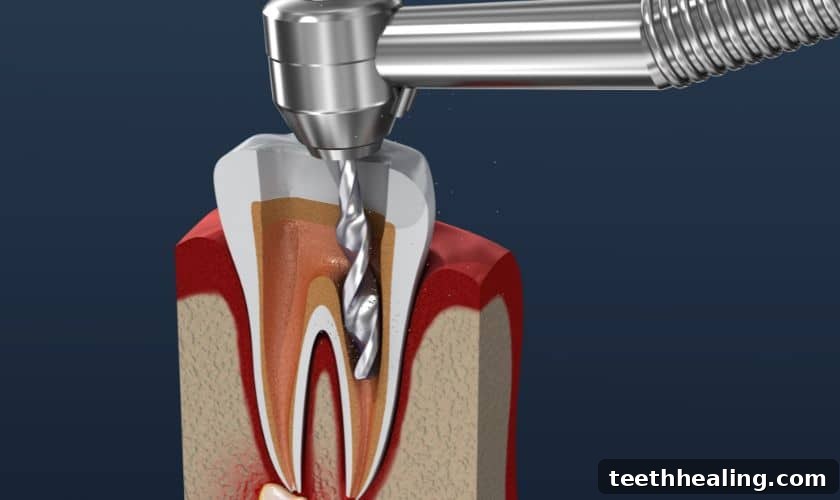
- Creating an Access Opening: Once the area is numb, the dentist places a dental dam around the tooth. This rubber sheet isolates the tooth, keeping it clean, dry, and free from saliva and bacteria during the procedure. A small access hole is then meticulously created on the biting surface of molars and premolars, or from the back of front teeth, to gain direct entry into the pulp chamber and root canals.
- Cleaning and Shaping the Canals: Utilizing specialized, ultra-fine endodontic instruments, such as flexible files made of nickel-titanium, the infected or inflamed pulp tissue is carefully removed from the pulp chamber and each root canal. The internal walls of the canals are then thoroughly cleaned and shaped. This shaping is crucial for creating smooth, tapered pathways that can be effectively filled and sealed, preventing future bacterial colonization. Irrigation solutions, often containing antiseptics like sodium hypochlorite, are used concurrently to disinfect the canals.
- Filling and Sealing the Canals: After the canals are meticulously cleaned, shaped, and thoroughly dried, they are filled with a biocompatible material called gutta-percha. Gutta-percha is a rubber-like substance that is heat-softened and then compacted into the canals. A dental sealer is also used to ensure a complete, hermetic seal, preventing any bacteria from re-entering the tooth’s interior. The access opening is then closed with a temporary filling to protect the treated area until the permanent restoration is placed.
- Permanent Restoration (Often a Dental Crown): The final and crucial step for long-term success involves placing a permanent restoration. While the root canal treats the internal infection, the tooth structure itself can become brittle or weakened after the procedure, especially in molars which bear significant chewing forces. In most cases, a custom-made dental crown is placed over the treated tooth. This crown provides essential protection, restores the tooth’s full strength, function, and aesthetic appearance, ensuring it can withstand daily biting and chewing for many years.
The Enduring Benefits of Choosing Root Canals in Palm Desert
Opting for a root canal offers a multitude of advantages that extend far beyond simply alleviating pain. It’s an investment in your overall oral health and quality of life.
- Preservation of Your Natural Teeth: The most significant benefit is the ability to save your natural tooth. Preserving your original teeth helps maintain your bite alignment, prevents adjacent teeth from shifting into the empty space, and reduces the risk of bone loss in the jaw. Natural teeth also provide better chewing efficiency and a more natural appearance compared to most tooth replacement options.
- Effective Pain Relief: Root canal therapy directly addresses the source of dental pain – the infected or inflamed pulp. By removing this compromised tissue, the procedure provides immediate and lasting relief from the severe discomfort often associated with pulpitis or dental abscesses, allowing you to return to normal daily activities without pain.
- Cost-Effective and Efficient Treatment: In many scenarios, a root canal followed by a crown is a more cost-effective long-term solution than tooth extraction followed by a dental implant or bridge. While the initial costs might seem comparable, tooth replacement options often involve additional procedures, longer healing times, and potential maintenance costs over the years. A single root canal appointment (sometimes two) and a crown can restore function efficiently.
- Prevention of Infection Spread: An untreated dental infection is not merely localized; it can spread. Bacteria from a dental abscess can enter the bloodstream and potentially lead to more severe systemic health issues, including infections in other parts of the body. A root canal eliminates the infection at its source, protecting your overall health.
- Restored Chewing Function and Aesthetics: Once the root canal is complete and a permanent crown is placed, the treated tooth regains its full functionality. You can chew, speak, and smile with confidence, without worrying about discomfort or the appearance of a missing tooth.
Aftercare and Recovery: Ensuring Long-Term Success
After your root canal procedure in Palm Desert, it’s normal to experience some mild sensitivity or discomfort for a few days, especially after the local anesthesia wears off. This can typically be managed effectively with over-the-counter pain medications as recommended by your dentist. Your Palm Desert dentist will provide specific post-procedure care instructions, which are crucial for a smooth recovery and the long-term success of your treatment.
Key aftercare tips often include avoiding chewing on the treated tooth until the permanent crown is placed to prevent damage to the temporary filling or the weakened tooth structure. Maintaining excellent oral hygiene, including regular brushing and flossing, is also vital. Be sure to attend any follow-up appointments, particularly the one for placing your permanent dental crown, as this final restoration is essential for protecting the treated tooth and ensuring its durability. With proper care, a tooth treated with a root canal can last a lifetime.
Choosing the Right Endodontic Care in Palm Desert
When faced with the need for a root canal, selecting a qualified and experienced dental professional in Palm Desert is paramount. Look for a dentist or an endodontist (a dentist specializing in root canals) who demonstrates expertise in endodontic therapy, utilizes advanced diagnostic tools, and employs modern techniques. A compassionate approach, clear communication about the procedure, and a focus on patient comfort are also crucial factors. An experienced Palm Desert dentist will ensure precise diagnosis, efficient treatment, and comprehensive aftercare, making your experience as positive as possible.
In the realm of Palm Desert dentistry, root canals are more than just a procedure; they represent a lifeline for preserving your natural teeth and maintaining your oral health. When faced with the threat of infection or significant damage, root canal therapy offers a reliable, pain-alleviating, and highly effective solution to save your tooth, prevent further complications, and ensure your smile remains strong and healthy for years to come. If you are experiencing persistent dental pain, sensitivity, or suspect you may need a root canal, do not hesitate to consult with a trusted Palm Desert dentist. Taking prompt action can be the first step towards saving your natural smile and restoring your overall well-being.