
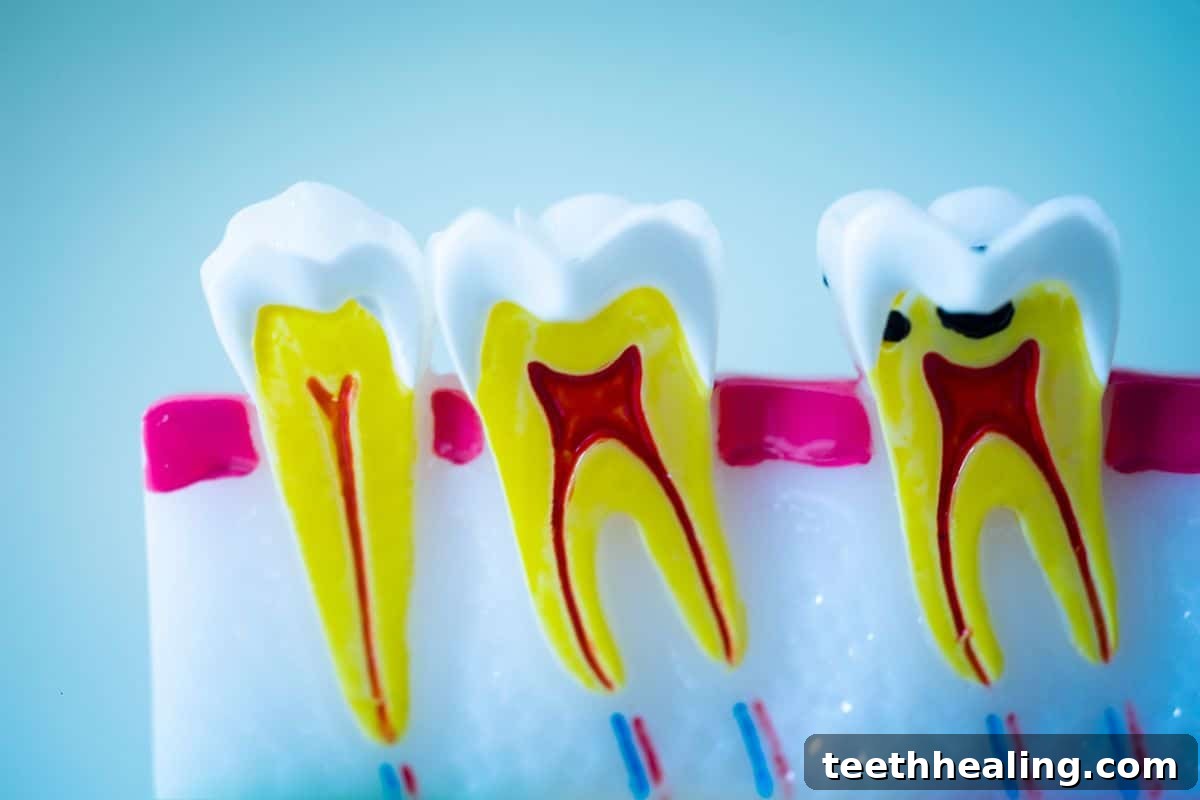
A cracked tooth is more than just a minor inconvenience; it’s a significant dental concern that can lead to considerable pain, sensitivity, and even serious infection if left unaddressed. Many individuals grappling with this issue often wonder about the viability of saving the affected tooth, particularly whether a root canal procedure can offer a definitive solution. Understanding the intricacies of cracked teeth, the mechanisms of a root canal, and the potential outcomes is paramount for anyone facing this common yet complex dental dilemma. This comprehensive guide will explore how a root canal can often be the crucial intervention needed to preserve your natural tooth, alleviate discomfort, and restore your oral health, helping you make informed decisions about your treatment path.
Understanding the Causes and Types of a Cracked Tooth
Teeth, despite their remarkable strength, are not immune to damage. A cracked tooth can manifest in various ways and arise from numerous factors. Recognizing these causes and understanding the different types of cracks is vital for effective diagnosis and treatment. The most common culprits include:
- Trauma: Direct impacts to the face or mouth, such as those sustained during sports injuries, falls, or car accidents, can easily result in a fractured or chipped tooth.
- Biting into Hard Objects: Accidentally biting down on very hard foods like ice cubes, unpopped popcorn kernels, hard candy, or fruit pits can exert extreme pressure, leading to cracks.
- Bruxism (Teeth Grinding or Clenching): Chronic grinding or clenching of teeth, often unconsciously during sleep or in response to stress, places immense and continuous force on the teeth, significantly increasing the risk of cracks over time.
- Large Fillings or Restorations: Teeth that have undergone extensive restorative work, particularly with large amalgam fillings, may become weakened over time. The surrounding tooth structure can eventually give way under chewing pressure, leading to cracks.
- Temperature Extremes: Rapid and frequent shifts between hot and cold foods or beverages can cause the tooth enamel to expand and contract, potentially creating microscopic cracks that deepen over time.
- Age: The risk of developing cracked teeth generally increases with age, as teeth experience cumulative wear and tear throughout a lifetime.
Cracks are not uniform; they can range from superficial lines to severe fractures. Key types of cracked teeth include:
- Craze Lines: These are very fine, superficial cracks in the enamel that are typically painless and don’t require treatment. They are common in adult teeth and often considered cosmetic.
- Fractured Cusp: This type of crack occurs when a part of the chewing surface (cusp) of the tooth breaks off. It usually doesn’t affect the pulp and may require a crown or filling to restore.
- Cracked Tooth: This crack extends from the chewing surface vertically towards the root. If caught early, before it reaches the pulp, a root canal and crown can often save the tooth. Symptoms include pain when chewing or sensitivity to temperature.
- Split Tooth: A split tooth is the result of a long-standing cracked tooth that has fully separated into two distinct segments. This is often more severe, and it’s rare to save the entire tooth; typically, one part is extracted, and the other might be salvaged.
- Vertical Root Fracture: This type of crack originates in the root and extends upwards towards the chewing surface. They are often difficult to diagnose and usually have a poor prognosis, often requiring extraction.
Regardless of the cause or type, a cracked tooth often presents with symptoms such as sharp pain when biting or releasing, sensitivity to hot or cold temperatures, or even spontaneous throbbing pain. These symptoms indicate potential damage to the internal pulp, signaling the urgent need for professional dental evaluation.
How Does a Root Canal Procedure Work?
A root canal, or endodontic treatment, is a sophisticated dental procedure designed to salvage a severely damaged or infected tooth, often preventing the need for extraction. When a tooth cracks, especially if the crack extends deep enough, the delicate inner pulp (which contains nerves, blood vessels, and connective tissue) can become exposed, inflamed, or infected by bacteria. This is where a root canal intervenes to preserve the tooth’s structural integrity and functionality.
The procedure typically involves several meticulous steps:
- Diagnosis and Anesthesia: The dentist first takes X-rays and performs a thorough examination to confirm the diagnosis and determine the extent of the damage. Local anesthesia is then administered to numb the affected tooth and surrounding tissues, ensuring a comfortable, pain-free experience for the patient.
- Isolation and Access Opening: A small protective sheet called a rubber dam is placed around the tooth to isolate it from the rest of the mouth, keeping the area sterile and dry from saliva. A small access opening is then carefully created in the crown of the tooth to reach the pulp chamber and root canals.
- Pulp Removal and Cleaning: Using specialized dental instruments called files, the dentist meticulously removes the infected or inflamed pulp tissue from inside the tooth’s crown and root canals. The canals are then thoroughly cleaned, disinfected, and shaped to prepare them for filling. This step is crucial for eliminating bacteria and preventing future infection.
- Filling the Canals: Once the canals are clean and dry, they are filled with a biocompatible, rubber-like material called gutta-percha, often combined with an adhesive sealer. This material completely fills the canals, preventing bacteria from re-entering and sealing off the interior of the tooth.
- Restoration and Protection: After the root canal treatment is completed, a temporary filling is placed in the access opening. In most cases, a dental crown is then placed over the treated tooth to restore its strength, protect it from further fractures, and return it to full function. This final restoration is essential because a tooth that has undergone a root canal can become more brittle over time due due to the removal of the living pulp tissue.
Contrary to popular belief, modern root canal treatments are typically no more uncomfortable than receiving a standard filling, thanks to advanced anesthetic techniques. The goal is not just to relieve pain but to save your natural tooth, which is always preferable to extraction and replacement.
Can a Root Canal Effectively Save a Cracked Tooth?
The question of whether a root canal can save a cracked tooth is central to many patients’ concerns. In a significant number of cases, the answer is a resounding yes, provided the crack has not progressed too far and the tooth structure is still salvageable. A root canal can be a highly effective treatment for cracked teeth by addressing the core issues that arise from such damage.
- Relieves Pain and Eliminates Infection: When a tooth cracks deeply enough to expose the internal pulp, the nerves and blood vessels within become vulnerable to bacterial invasion, leading to inflammation and infection. This is the primary source of the severe pain and sensitivity associated with cracked teeth. A root canal procedure directly targets this problem by removing the compromised or infected pulp tissue. By eliminating the source of inflammation and infection, the treatment effectively alleviates pain and prevents the spread of bacteria, which could otherwise lead to an abscess or even systemic health issues.
- Restores Tooth Function and Integrity: After the root canal treatment, the natural tooth is preserved, but it may be structurally weaker. This is why a custom-fitted dental crown is almost always recommended and placed over the treated tooth. The crown acts as a protective shield, encasing the tooth and restoring its original strength, shape, and size. This allows you to bite and chew normally without discomfort or fear of further damage, effectively returning the tooth to its full functionality within your oral system.
- Prevents Further Damage and Decay: Sealing the root canals with gutta-percha after the infected pulp has been removed prevents any future bacterial ingress into the internal structure of the tooth. This is particularly crucial for cracked teeth, as the existing crack could otherwise serve as a pathway for bacteria to re-infect the tooth or compromise its health further. Coupled with the protective crown, the entire tooth is reinforced, making it more resistant to future fractures, chips, and decay, thereby significantly extending its lifespan.
The success of saving a cracked tooth with a root canal largely depends on several factors: the location, depth, and type of the crack, as well as how promptly treatment is sought. Early intervention is key; if the crack extends too far below the gum line or involves a vertical root fracture, the prognosis for saving the tooth diminishes. However, for many cracked teeth, a root canal offers an excellent opportunity to preserve your natural dentition and avoid the need for extraction and subsequent prosthetic replacements.
When a Root Canal Isn’t the Best Option: Alternatives to Consider
While a root canal offers an effective solution for many cracked teeth, it’s not always the optimal or even feasible treatment. The decision hinges on the severity of the crack, its location, and the overall structural integrity of the tooth. In situations where the crack is too extensive, extends deep below the gum line, or involves a vertical root fracture, attempting a root canal may not yield a successful long-term outcome. In such challenging cases, your dentist may recommend alternative solutions:
- Dental Extraction: If the cracked tooth is severely compromised and cannot be saved through a root canal or other restorative procedures, extraction becomes necessary. While extracting a tooth is always a last resort, it’s sometimes the only way to alleviate pain and prevent the spread of infection or further damage to adjacent teeth and bone. After extraction, it is crucial to consider replacement options to prevent potential issues such as bone loss in the jaw, shifting of surrounding teeth, and changes in bite alignment.
- Restorative Options Following Extraction: Once a tooth has been extracted, several excellent restorative options are available to fill the gap and restore your smile’s aesthetics and function:
- Dental Implants: Often considered the gold standard for tooth replacement, dental implants involve surgically placing a titanium post into the jawbone, which then fuses with the bone. Once healed, a custom-made crown is attached to the implant, creating a durable, natural-looking, and fully functional replacement that mimics a natural tooth root.
- Dental Bridges: A dental bridge consists of one or more artificial teeth (pontics) held in place by dental crowns cemented onto the natural teeth adjacent to the gap. Bridges effectively “bridge” the space left by a missing tooth, restoring chewing ability and preventing adjacent teeth from shifting.
- Partial Dentures: For patients seeking a more cost-effective and removable solution, a partial denture can be an option. This appliance consists of replacement teeth attached to a gum-colored base, often with clasps that connect to your natural teeth.
- Bonding or Veneers (for minor cracks): For very superficial or craze lines that are primarily aesthetic concerns and do not involve the pulp or compromise the tooth’s structure, cosmetic treatments like dental bonding or porcelain veneers might be considered. These procedures involve applying tooth-colored resin or thin porcelain shells to the tooth’s surface to improve its appearance. However, these are not solutions for deeply cracked teeth that require structural repair or pulp treatment.
Your dentist will conduct a thorough examination, including X-rays and specialized tests, to accurately diagnose the extent of the crack and discuss the most appropriate treatment plan tailored to your specific situation, outlining the pros and cons of each option.
Essential Aftercare for a Tooth After a Root Canal
The success and longevity of a root canal-treated tooth heavily depend on diligent aftercare. Proper post-procedure practices are crucial for ensuring the tooth remains healthy, functional, and free from complications. Following your dentist’s instructions meticulously will help maximize the benefits of the treatment and prevent future issues. Here are key aspects of effective root canal aftercare:
- Maintain Excellent Oral Hygiene: Continuing a rigorous oral hygiene routine is paramount. Brush your teeth at least twice a day with a soft-bristled toothbrush and fluoride toothpaste, paying special attention to the area around the treated tooth and its crown. Floss daily to remove plaque and food particles from between teeth and along the gum line. Good hygiene prevents gum disease and decay in adjacent teeth, contributing to the overall health of your restored tooth.
- Avoid Hard and Sticky Foods: Immediately after the root canal and particularly before the permanent crown is placed, it’s wise to avoid chewing on the treated tooth. Even after the permanent crown is in place, steer clear of excessively hard, crunchy, or sticky foods (like nuts, hard candies, ice, and sticky caramels) that could potentially damage the crown, dislodge it, or put undue stress on the treated tooth. A balanced diet and mindful eating habits are beneficial.
- Take Prescribed Medications: If your dentist has prescribed antibiotics to combat infection or pain relievers for post-procedure discomfort, take them exactly as directed. Do not stop antibiotics prematurely, even if you feel better, to ensure the infection is fully cleared.
- Prompt Placement of Permanent Crown/Restoration: A temporary filling is typically placed immediately after the root canal. It is absolutely vital to return to your dentist for the placement of the permanent crown or final restoration as scheduled. Delaying this step leaves the tooth vulnerable to fracture and re-infection, as the temporary filling is not designed for long-term protection.
- Address Night Grinding or Clenching (Bruxism): If you are prone to teeth grinding or clenching, especially at night, discuss this with your dentist. A custom-fitted night guard can protect your treated tooth and the rest of your dentition from excessive forces that could lead to new cracks or damage to the crown.
- Regular Dental Checkups and Cleanings: Schedule and attend regular dental checkups and professional cleanings, typically every six months, with your dentist in Palm Desert. These visits allow your dentist to monitor the health of your root canal-treated tooth, check the integrity of your crown, and detect any potential issues early. Regular examinations are crucial for the long-term success of the treatment and for maintaining your overall oral health.
By diligently following these aftercare guidelines, you can significantly enhance the longevity of your root canal-treated tooth, ensuring it remains a strong and functional part of your smile for many years to come.
Conclusion: Preserving Your Smile with Timely Treatment
A cracked tooth, while alarming, does not always signify the loss of your natural tooth. In many instances, a root canal procedure emerges as a highly effective and tooth-preserving solution, offering a pathway to not only alleviate severe pain and eliminate infection but also to restore the tooth’s crucial function and strength. By diligently addressing the internal damage caused by the crack, a root canal, followed by the placement of a protective crown, can significantly extend the life of a compromised tooth, allowing you to maintain your natural smile and chew with comfort.
The key to successful outcomes lies in prompt diagnosis and timely intervention. Ignoring the symptoms of a cracked tooth—such as pain upon biting or temperature sensitivity—can lead to more extensive damage, increasing the complexity of treatment or even rendering the tooth unsalvageable. Therefore, if you suspect you have a cracked tooth or are experiencing any related dental discomfort, do not hesitate to seek professional help.
Consulting with a qualified dentist will enable a thorough evaluation of your specific condition. They can accurately diagnose the type and extent of the crack, discuss whether a root canal is the most appropriate treatment option, and develop a personalized plan tailored to your needs. Taking proactive steps not only prevents further deterioration but also safeguards your long-term oral health, allowing you to enjoy a pain-free and fully functional smile for years to come. Your natural teeth are invaluable, and with modern dental advancements like root canal therapy, they often can be saved and restored.