Losing a tooth, or several, can significantly impact your daily life – from the way you eat and speak to your overall self-confidence. For decades, dental implants have emerged as the premier, most effective solution for replacing missing teeth, offering unparalleled stability, aesthetics, and functionality. Despite their proven success and transformative benefits, many individuals still hesitate to consider dental implants, often due to widespread misconceptions and outdated information. These persistent myths can create unnecessary anxiety, foster unwarranted fears, and ultimately delay patients from seeking the high-quality care they truly need and deserve. It’s time to separate fact from fiction and shed light on the truth behind this life-changing dental treatment. Let’s delve into the most prevalent dental implant myths and expose the realities that modern dentistry consistently champions.
1. Myth: Dental Implants are an Incredibly Painful Procedure
Truth: The perception of extreme pain associated with dental implant surgery is one of the most common reasons people avoid this highly effective treatment. In reality, modern dental implant procedures are performed with the patient’s comfort as a top priority. During the surgery, dentists meticulously apply local anesthesia, ensuring that the treatment area is completely numb. This means you won’t feel any pain during the procedure itself, only perhaps some pressure or vibration. Many patients report that the experience is surprisingly comfortable and often less daunting than other routine dental procedures, such as a complex tooth extraction or even a root canal. Following the surgery, it’s normal to experience some mild discomfort, swelling, or soreness, which is typically well-managed with over-the-counter pain relievers or a prescription from your dentist. With advancements in surgical techniques, minimally invasive approaches, and comprehensive post-operative care instructions, the healing process is generally smooth and predictable, allowing patients to return to their normal routines relatively quickly. Any post-surgical discomfort usually subsides within a few days, making the overall experience far more manageable than commonly feared.
2. Myth: Implants Don’t Look or Feel Like Natural Teeth
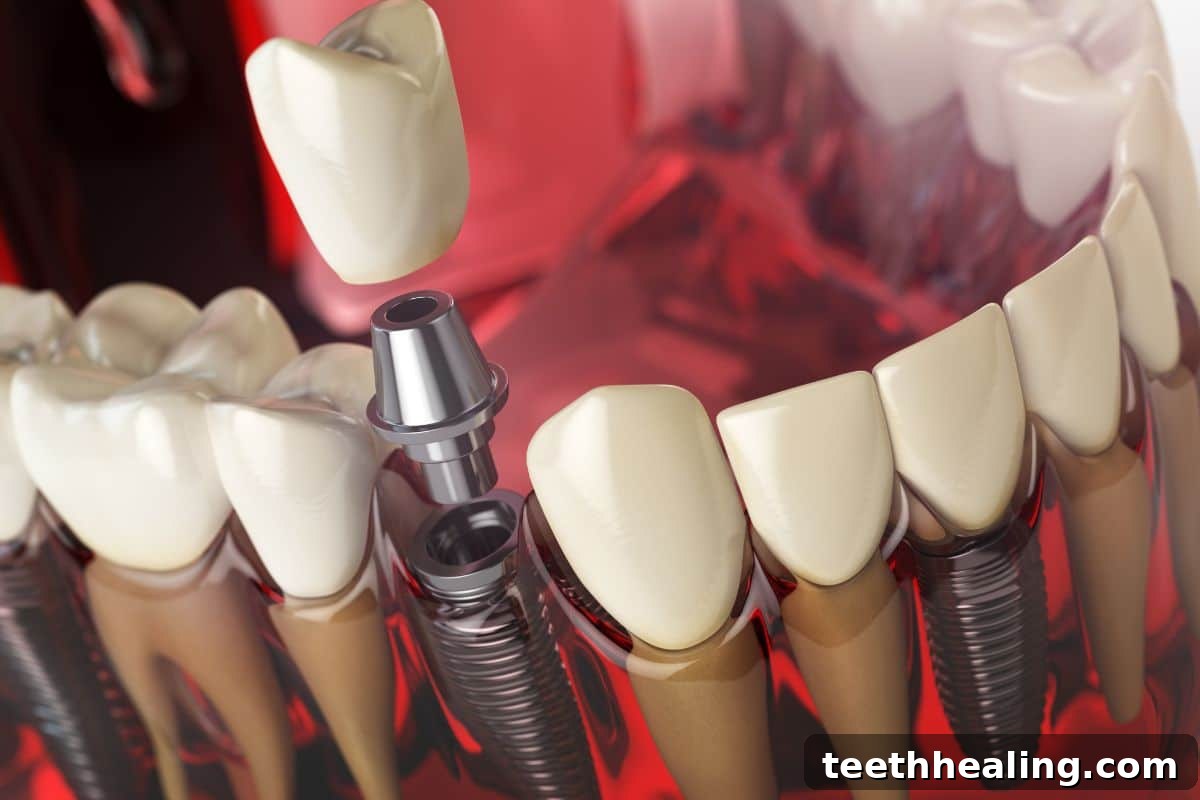
Truth: One of the most significant advantages of dental implants is their astonishingly realistic appearance and feel. Unlike traditional dentures or bridges that might feel bulky or unnatural, a dental implant system is designed to mimic your natural teeth in every way possible. The visible part of the implant, which is the crown, is custom-crafted to match the exact shade, shape, and size of your existing natural teeth. Highly skilled dental technicians use advanced materials like porcelain or zirconia and state-of-the-art digital imaging to ensure a seamless integration with your smile. Furthermore, because dental implants are surgically anchored directly into your jawbone, they provide the same stable foundation as natural tooth roots. This stability translates into a feel that is incredibly natural, allowing you to speak, eat, and smile with complete confidence, without worrying about slippage or discomfort. Most people, including the patients themselves, often find it challenging to distinguish an implant from their surrounding natural teeth once the restoration is complete, restoring not just function but also a beautiful, authentic smile.
3. Myth: Dental Implants are Only a Viable Option for Older Adults
Truth: The idea that dental implants are exclusively for the elderly is a persistent misconception that prevents many younger individuals from exploring this restorative option. The truth is, age itself is rarely the determining factor for dental implant candidacy. Instead, a patient’s overall oral health and general systemic health are far more critical. Whether you are in your 30s or your 70s, if you possess healthy gums, have sufficient jawbone density to support the implant, and are in good general health (free from uncontrolled chronic diseases that could impair healing), you are likely a suitable candidate for dental implants. Younger patients might need implants due to congenital conditions, dental injuries, or severe decay leading to tooth loss. For older adults, implants can dramatically improve quality of life, allowing them to enjoy a varied diet and maintain social confidence. A qualified implant dentist in Palm Desert or any other location will conduct a thorough examination, including advanced imaging, to assess your specific bone structure, gum health, and overall medical history to determine the most appropriate treatment plan for your unique needs, regardless of your age.
4. Myth: You Require One Implant for Every Missing Tooth
Truth: This particular myth often generates undue concern regarding the complexity and potential cost of dental implant treatment, especially for individuals missing multiple teeth. It’s a common misunderstanding that each absent tooth must be replaced by an individual implant post. Fortunately, modern implant dentistry offers highly efficient and versatile solutions that do not necessitate a one-to-one implant-to-tooth ratio. While a single implant is indeed used for a single missing tooth, innovative techniques allow dentists to replace several missing teeth or even an entire arch with fewer implants. For instance, an implant-supported bridge can replace three or four missing teeth using only two strategically placed implants. For patients missing all teeth in an upper or lower jaw, revolutionary procedures like “All-on-4” or “All-on-6” implant systems can restore a full arch of teeth using just four or six implants, respectively. These methods not only reduce the number of surgical procedures but also make full-mouth rehabilitation more accessible and often more cost-effective, providing a stable, permanent solution without the need for an implant per tooth.
5. Myth: Dental Implants Demand Excessive or Special Maintenance
Truth: Many people believe that dental implants come with a complicated and demanding maintenance regimen, requiring special tools or costly products. This couldn’t be further from the truth. One of the greatest advantages of dental implants is that their care mirrors that of your natural teeth. You maintain dental implants by simply adhering to a consistent routine of good oral hygiene: brushing at least twice a day with a soft-bristled toothbrush, flossing daily (using regular floss, water flossers, or interdental brushes), and scheduling regular professional dental check-ups and cleanings, typically every six months. In fact, because dental implants are securely anchored to your jawbone and are not susceptible to cavities, they can often be easier to clean and manage than traditional fixed bridges (which require threading floss under the bridge) or removable dentures (which require daily removal and soaking). Regular visits to your dentist and hygienist are crucial to monitor the health of your gums and surrounding bone, ensuring the long-term success and longevity of your implants by preventing conditions like peri-implantitis, an inflammation around the implant site.
6. Myth: Dental Implants Can Easily Come Loose or Fall Out
Truth: The idea of a dental implant becoming loose or falling out is a significant concern for many, yet it fundamentally misunderstands the science behind these remarkable devices. Dental implants are designed to be a permanent and exceptionally stable tooth replacement solution. Their stability comes from a unique biological process called osseointegration. This is where the titanium implant post, surgically placed into the jawbone, gradually fuses directly with the surrounding bone tissue over several weeks or months. Once osseointegration is complete, the implant becomes an integral part of your jaw, mimicking the strength and stability of a natural tooth root. When placed by a highly skilled and experienced dental professional and maintained adequately with proper oral hygiene, dental implants boast an impressive long-term success rate, consistently reported to be over 95% to 98% over a decade or more. While rare complications can occur, a properly integrated implant is incredibly stable and functions just like your natural teeth, providing a durable and reliable foundation for your new smile that is built to last for many years, often a lifetime.
7. Myth: Dental Implants are Too Expensive to Be a Practical Option
Truth: It’s true that the initial upfront cost of dental implants can appear higher than other tooth replacement options like traditional bridges or removable dentures. However, viewing the cost solely through an immediate lens overlooks the immense long-term value and significant benefits that dental implants provide. Unlike alternatives that may need repair, relining, or replacement every 5-10 years, dental implants, with proper care, can last for decades, often a lifetime. This longevity means that over their lifespan, implants can actually prove to be a more cost-effective solution, saving you money on future repairs, replacements, and associated dental visits. Furthermore, implants play a crucial role in preventing future dental problems such as jawbone loss (which occurs when a tooth is missing and the bone is no longer stimulated), the shifting of adjacent teeth, and changes in facial structure – all issues that can lead to more extensive and expensive treatments down the line. Investing in dental implants is an investment in your oral health, overall well-being, and quality of life, offering benefits that far outweigh the initial expenditure through enhanced function, aesthetics, and lasting durability. Many dental offices also offer flexible payment plans or work with financing options to make this transformative treatment more accessible.
Why Knowing the Truth About Dental Implants Matters for Your Oral Health
Dental implant myths often create unnecessary barriers, preventing countless individuals from exploring what is arguably one of the most reliable, effective, and truly life-changing treatments available in modern dentistry. By understanding the solid facts and debunking these common misconceptions, you empower yourself to make truly informed decisions about your oral health and future smile. Choosing dental implants means opting for a solution that offers unmatched stability, natural aesthetics, and long-term durability, significantly improving your ability to eat, speak, and smile with confidence.
Your journey towards a renewed smile will be guided with precision and compassionate care by a qualified and experienced dental professional. They will conduct a thorough assessment of your unique oral health needs, discuss all available options, and walk you through every step of the dental implant procedure, ensuring you feel comfortable and well-informed. Do not allow outdated misconceptions or unfounded fears to prevent you from obtaining the healthy, beautiful, and functional smile you genuinely deserve. Taking the most effective initial step in the process of contemplating dental implants is to arrange a personalized consultation with a reputable dental professional.
Our dedicated team is always here to thoroughly answer all your questions, meticulously evaluate your oral health, and help you regain unwavering confidence in your smile. To determine whether dental implants are the appropriate, transformative treatment for you, we encourage you to visit our dental office today. Let’s engage in a comprehensive conversation to discuss your specific objectives for your oral health and collaboratively develop a customized treatment plan tailored to meet your unique needs and aspirations.