The Dire Consequences of Neglecting Your Oral Health: More Than Just Cavities
In our fast-paced lives, finding the time for daily dental care can often feel like a chore. It might surprise you to learn that nearly half of all adults skip daily flossing, and a significant one in five don’t brush their teeth twice a day. If you recognize yourself in these statistics, rest assured, you are not alone in this common oversight. However, it’s time to pause and critically reconsider the long-term implications of such habits.
Maintaining optimal oral hygiene extends far beyond merely preventing cavities or combating bad breath. It is a fundamental cornerstone of your overall health and well-being. Your mouth serves as a critical gateway, offering vital insights and direct access to your body’s complex internal systems.
While establishing a direct cause-and-effect relationship between dental neglect and various systemic health conditions is scientifically challenging – primarily due to ethical considerations that prevent long-term studies ignoring oral hygiene – a substantial and growing body of evidence strongly indicates a profound association. Researchers continuously uncover compelling links between inadequate dental hygiene and a wide spectrum of serious health issues that affect the entire body.
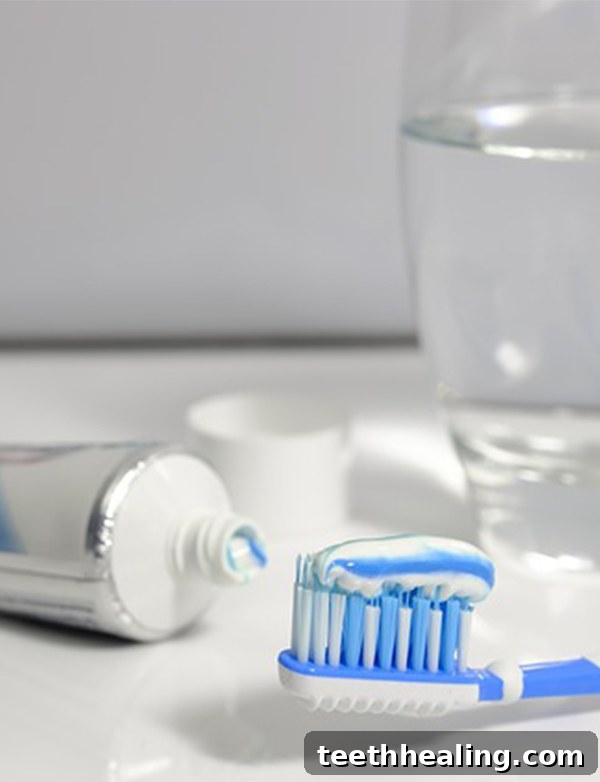
The standard recommendations for maintaining robust oral health are clear and consistent: commit to brushing your teeth twice daily for at least two minutes each session, floss thoroughly once a day, and schedule professional dental check-ups and cleanings at least twice a year. Ignoring these simple yet crucial guidelines, while certainly leading to the well-known problem of cavities, also opens the door to a host of other potential health complications. Beyond tooth decay, there are at least 13 other significant risks that can arise from poor oral hygiene, impacting various aspects of your systemic health.
13 Critical Health Risks Linked to Poor Dental Hygiene
1. Gum Disease: The Silent Threat to Oral and Systemic Health
Many individuals mistakenly believe that bleeding gums during brushing or flossing is normal. This is a dangerous misconception. If your gums bleed, it’s a clear indicator that you likely have gingivitis, the initial stage of gum disease, or are rapidly progressing towards it. Gingivitis manifests as red, swollen, and tender gums that are prone to bleeding. This inflammation is a direct response to the accumulation of plaque—a sticky film of bacteria—that builds up between your teeth and along the gum line. Alarming statistics show that over half of the adult population suffers from gingivitis, making it an incredibly widespread condition.
When plaque is left unchecked, the bacterial colonies flourish, intensifying the body’s immune response. This heightened inflammation can begin to systematically destroy the soft tissues and bone that support your teeth, leading to the formation of deep pockets between the teeth and gums. At this advanced and severe stage, gum disease is classified as periodontitis, a chronic inflammatory condition that can inflict irreversible damage. A quick search for “periodontitis” online will reveal the severe consequences, often prompting individuals to adopt a more rigorous oral hygiene regimen. Untreated periodontitis can lead to chronic pain, persistent bad breath, and ultimately, tooth loss.
Source: American Academy of Periodontology; Clinical Calcium, 2012
2. Tooth Loss: A Significant Consequence of Neglect
The idea of losing permanent teeth might seem distant for many, but it is a very real and prevalent issue directly linked to poor oral health. Start taking this risk seriously. Data indicates that adults aged 20 to 64 have, on average, lost seven permanent teeth. Even more concerning, 10% of adults between 50 and 64 years old have suffered complete tooth loss. Both untreated dental cavities and advanced gum disease (periodontitis) are primary culprits in leading to the extraction or natural loss of teeth. Preventing tooth loss requires consistent daily oral care and regular professional dental visits, which can halt the progression of both decay and gum disease, preserving your natural dentition for a lifetime.
Source: National Institute of Dental and Craniofacial Research
3. Chronic Bad Breath (Halitosis): More Than Just a Social Embarrassment
Clinically known as halitosis, chronic bad breath is a pervasive issue affecting up to 65% of the global population. While various underlying medical conditions can contribute to halitosis, the overwhelming majority of cases stem directly from poor oral hygiene. When food particles are allowed to linger in the mouth long after meals, they begin to decompose and produce foul-smelling compounds. The less frequently you brush and floss, the more these odor-producing bacteria proliferate, creating an increasingly malodorous environment in your mouth.
Furthermore, a significant contributor to bad breath is the bacterial coating that forms on your tongue. Research suggests that incorporating tongue cleaning into your daily routine—alongside consistent brushing and flossing—can significantly reduce the bacterial load and, consequently, improve breath freshness. Addressing halitosis is not just about social confidence; it’s an indicator of bacterial imbalance in the mouth that can signify deeper oral health problems.
Source: Internal and Emergency Medicine, 2011; International Journal of Oral Science, 2012; Nursing Research, 2013
4. Dementia and Cognitive Decline: An Unexpected Connection
Emerging research has begun to suggest a potential link between poor dental health and an increased risk of dementia, particularly in older adults. While it’s possible that individuals with superior oral hygiene habits might generally maintain better overall health practices, the correlation warrants serious attention. A significant, long-term study conducted among 5,468 retirement community residents, observed over 18 years, revealed a striking finding: among participants who still retained some of their natural teeth, those who reported not brushing daily faced a 22% to 65% higher risk of developing dementia compared to those who brushed three times a day. This suggests a dose-response relationship where more frequent brushing correlates with lower dementia risk.
Adding another layer to this connection, a smaller but compelling study examined the brains of Alzheimer’s patients and found a higher prevalence of bacteria typically associated with gum disease when compared to the brains of cognitively healthy individuals. This hints at a potential pathway where oral bacteria could contribute to neuroinflammation or other processes implicated in Alzheimer’s disease. Maintaining excellent oral hygiene throughout life may, therefore, play a role in supporting long-term cognitive function.
Source: Journal of the American Geriatrics Society, 2012; Journal of Alzheimer’s Disease, 2013
5. Pneumonia: When Oral Bacteria Invade the Lungs
The bacteria thriving in an unhealthy mouth don’t always stay confined to the oral cavity. These pathogens can be easily aspirated (inhaled) directly into the lungs, where they can initiate a cascade of inflammatory responses and severe infections, including pneumonia. This mechanism is a key reason behind the established association between poor oral hygiene and hospital-acquired pneumonia, a particularly dangerous form of the infection.
A major review of existing literature highlighted that improving oral hygiene practices significantly reduced the incidence of such pneumonia by an impressive 40%. This underscores the preventative power of simple dental care routines. Further reinforcing this link, a study involving 315 patients in a Brazilian hospital found that individuals diagnosed with periodontitis were nearly three times more likely to develop pneumonia than those with healthy gums. These findings strongly suggest that good oral hygiene is not just about mouth health, but also a crucial component in preventing serious respiratory illnesses.
Source: Annals of Periodontology, 2003; Journal of Periodontology, 2013; Gerontology, 2013
6. Erectile Dysfunction: A Surprising Link to Gum Health
At first glance, the connection between dental disease and erectile dysfunction (ED) might seem tenuous or even unrelated. However, preliminary research has begun to uncover fascinating associations between these two seemingly disparate conditions. Both periodontal disease and ED have been independently linked to common risk factors such as Vitamin D deficiency, smoking, and systemic inflammation. While the precise mechanisms for their co-occurrence remain an active area of investigation, the shared underlying factors point towards a broader systemic health issue.
One study conducted on rats demonstrated that periodontitis directly impaired penile function, indicating a possible physiological link. While direct causation in humans requires further confirmation, a study among men aged 30 to 40 revealed a significant difference: 53% of those suffering from erectile dysfunction also had severe periodontitis, compared to only 23% of men without ED. This statistical difference strongly suggests a potential correlation, urging men to consider their oral health as part of their overall wellness, including sexual health.
Source: The Journal of Sexual Medicine, 2011; The Journal of Sexual Medicine, 2012; Journal of Clinical Periodontology, 2012
7. Brain Abscess: A Rare but Lethal Risk
A brain abscess is a severe, life-threatening condition characterized by a localized collection of pus within the brain tissue, often surrounded by swelling and inflammation, typically caused by a bacterial infection. If left untreated, a brain abscess is invariably fatal. While rare, a team of scientists identified an individual’s extremely poor dental health, specifically destructive periodontal disease, as the highly probable cause of a life-threatening brain abscess. This case highlights how oral pathogens can disseminate to critical organs.
Although systematic studies directly linking brain abscesses to poor dental hygiene are scarce due to the rarity of the condition, researchers have documented at least 12 other case reports where severe oral infection was strongly implicated as the source of the brain abscess. These case studies underscore the potential for bacteria from an uncontrolled oral infection to travel through the bloodstream and colonize the brain, leading to devastating consequences. This serves as a stark reminder that even seemingly isolated oral infections can have profound systemic implications.
Source: Journal of Clinical Periodontology, 2011
8. Diabetes Management and Risk: A Bidirectional Relationship
For many years, dentists have recognized diabetes as a significant risk factor for developing periodontitis, understanding that individuals with diabetes are more susceptible to severe gum disease. However, more recent research is now indicating a bidirectional relationship, suggesting that extremely poor dental health can also serve as a risk factor for insulin resistance (often referred to as “pre-diabetes”) and even Type 2 diabetes itself. This connection is largely attributed to the chronic inflammatory state induced by periodontal disease, which can impair the body’s ability to utilize insulin effectively.
Compelling studies have further demonstrated that in patients who suffer from both diabetes and periodontitis, effectively treating and managing the gum disease can lead to significant improvements in blood sugar control and overall diabetes management. This reciprocal relationship highlights the crucial importance of integrated care, where oral health is considered an integral part of managing systemic conditions like diabetes. Prioritizing gum health can, therefore, be a powerful tool in the broader fight against diabetes and its complications.
Source: Annals of Periodontology, 1998; Diabetes Care, 2010; Diabetes & Metabolism Journal, 2012; Journal of Applied Oral Science, 2013
9. Chronic Kidney Disease: An Oral Health Connection
Chronic kidney disease (CKD) affects approximately 4% of adults, with certain populations facing a higher risk. Intriguingly, individuals with periodontal disease have been found to be 4.5 times more likely to develop CKD, positioning poor dental health as an even stronger risk factor than high cholesterol levels. The severity of oral neglect further amplifies this risk: adults with no remaining teeth were an alarming 11 times more likely to suffer from chronic kidney disease.
While age remains a very significant risk factor for CKD (e.g., individuals over 60 are 27 times more likely to have CKD than younger demographics), the link to oral health is independently significant. Another comprehensive study confirmed that poor dental health represents a considerable risk factor for kidney disease, even after accounting for various underlying health conditions that might predispose individuals to both oral problems and kidney issues. This suggests that the chronic inflammation and bacterial burden from periodontal disease may directly contribute to kidney dysfunction.
Source: American Journal of Kidney Disease, 2008; Journal of Periodontology, 2010
10. Heart Disease: The Inflammatory Link Between Gums and Cardiovascular Health
Numerous scientific studies have repeatedly pointed towards a strong potential connection between gum disease and heart disease, with chronic inflammation being a primary shared denominator. Both conditions are characterized by inflammatory processes, leading researchers to investigate whether the inflammation originating in the gums can influence cardiovascular health. One study concluded that incorporating oral health self-care is a prudent strategy not only to enhance patients’ oral health but also to potentially reduce the risk of coronary heart disease.
Another investigation suggested that periodontal disease, driven by pathogenic bacteria, could represent one of several possible causal factors contributing to the development of heart disease. In 2008, a review by the U.S. Preventive Services Task Force recommended that periodontal disease be considered a marker of risk for heart disease, independent of traditional cardiovascular risk factors, even while acknowledging the ongoing need for more definitive evidence regarding a direct causal relationship. However, a scientific statement from the American Heart Association in 2012 urged caution, emphasizing that while periodontal disease and heart disease share many underlying risk factors, there is currently no conclusive evidence that dental problems directly cause heart disease, or that treating periodontitis definitively reduces heart disease events, beyond its known effect on systemic inflammation. Despite this nuance, the widespread consensus remains that maintaining good oral health is a vital component of a comprehensive cardiovascular disease prevention strategy.
Source: Journal of General Internal Medicine, 2008; Current Opinion in Nephrology and Hypertension, 2010; General Dentistry, 2012; Circulation, 2012
11. Pregnancy Complications: Maternal Oral Health and Infant Outcomes
Pregnancy brings about significant hormonal changes that can make expectant mothers more susceptible to gum inflammation. A staggering 60% to 75% of pregnant women experience gingivitis, often referred to as “pregnancy gingivitis.” During this critical period, it is exceptionally important for pregnant women to pay meticulous attention to their dental hygiene. The health of a mother’s mouth can directly influence the health and development of her baby.
When pregnant women suffer from serious dental problems, their infants face an elevated risk of developing cavities themselves. Moreover, poor maternal oral health has been consistently associated with adverse pregnancy outcomes, including low birth weight and preterm birth. While the exact mechanism and whether it acts as an independent risk factor are still under investigation, researchers hypothesize two primary pathways: either the systemic inflammation caused by gum disease is heightened throughout the body, or oral bacteria enter the bloodstream, eventually colonizing the placenta and triggering an inflammatory response that can affect fetal development. Prioritizing dental care during pregnancy is thus a critical step in ensuring both maternal and infant well-being.
Source: Journal of Clinical Nursing, 2010; Ginekologia Polska, 2012; Dental Clinics of North America, 2013
12. Stomach Ulcers: An Oral Reservoir for H. pylori
In individuals suffering from periodontitis, the deep pockets that form beneath the gum line due to tissue destruction can become a persistent reservoir for Helicobacter pylori (H. pylori). This bacterium, while asymptomatic in many carriers, is famously responsible for causing stomach ulcers and can also increase the risk of stomach cancer when it flares up. The oral cavity, particularly in the presence of gum disease, provides an ideal environment for H. pylori to reside and multiply.
Helicobacter pylori can be transmitted orally, and large-scale epidemiological studies have identified a positive association between periodontitis and a positive test for the bacterium in the stomach. While various researchers have presented slightly differing conclusions on the direct causal link, the undeniable fact remains that the bacterial pockets characteristic of periodontitis pose a significant risk for the proliferation of various types of bacteria, including those known to cause gastrointestinal issues. Managing periodontal disease can therefore contribute to reducing the oral bacterial load, potentially mitigating the risk of stomach ulcers and other related conditions.
Source: Gut, 1995; American Journal of Public Health, 2002; Clinical Microbiology Reviews, 2010
13. Cancer: The Oral Health-Malignancy Connection
The link between oral health and cancer is an increasingly explored and concerning area of research. A comprehensive review of prior studies concluded that recent evidence strongly suggests that the extent and severity of periodontal disease, along with significant tooth loss, may be associated with an elevated risk of various malignant diseases. This indicates that the chronic inflammation and bacterial presence in an unhealthy mouth could play a role in oncogenesis.
Furthermore, gum disease and other dental problems are also strongly linked to Human Papillomavirus (HPV) infection, which is responsible for up to 80% of oral cancers. While smoking is a well-established major risk factor for both gum disease and various cancers, a compelling study involving 3,439 individuals identified poor oral health as an independent risk factor for HPV infection, even when accounting for participants’ smoking habits. This implies that even non-smokers with poor oral hygiene could be at an increased risk due to HPV. Other preliminary research has further indicated that the chronic inflammatory environment created by periodontitis may actively promote the growth and progression of cancerous cells within the oral cavity and potentially in other parts of the body. These findings underscore the critical importance of maintaining excellent oral hygiene as a proactive measure in overall cancer prevention.
Source: Dental Update, 2010; South Asian Journal of Cancer, 2012; Cancer Prevention Research, 2013
The evidence is clear: neglecting your dental health can have far-reaching and severe consequences that extend well beyond your mouth, impacting your overall systemic well-being. Don’t allow a preventable dental problem to compromise your health and quality of life. Take proactive steps today to safeguard your oral and general health. Call us to book a comprehensive consultation and dental health check and ensure your smile and your body remain healthy. You can reach us at 07 3720 1811 or visit our contact page to schedule your appointment.