More Than Just a Smile: 12 Health Secrets Your Dentist Can Uncover
While your eyes are often called the windows to your soul, your mouth — specifically your teeth and gums — offers an even more direct glimpse into your overall physical health. Far from being isolated structures, your oral cavity is intricately connected to the rest of your body, often serving as an early warning system for systemic conditions.
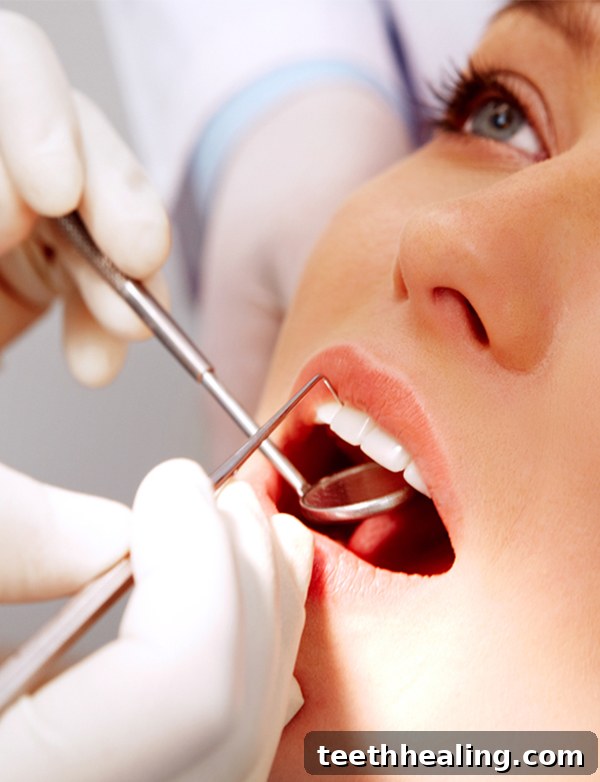
In holistic dentistry, when we ask you to “open wide,” our examination extends beyond searching for cavities or gum disease. We’re meticulously looking for clues, subtle indicators that can reveal a broader picture of your well-being.
Many individuals delay or avoid dental visits, unaware that regular check-ups can be truly life-saving. Thanks to their extensive medical training, dentists are uniquely positioned to detect the early signs of major illnesses, often long before you, the patient, experience any noticeable symptoms or feel unwell.
It is imperative for dentists to educate their patients that their role extends significantly beyond merely assessing the health of teeth. They are frontline health professionals who can act as crucial diagnosticians.
As a holistic dentist, I consistently explain to my patients how the condition of their teeth, mouth, and gums provides invaluable insights into the overall state of their entire body. We need to foster a deeper understanding among the public that a dental visit offers much more than just identifying decay and performing routine cleaning. It’s a comprehensive health screening.
During every thorough dental examination, I am vigilantly searching for symptoms that might indicate illnesses originating from outside the oral cavity. This proactive approach underscores the preventative power of regular dental care.
Decoding Your Health: What Your Dentist Really Knows
During your routine dental check-up, your dentist serves as a skilled detective, capable of uncovering important clues about your general health. The oral cavity is a complex ecosystem, and changes within it can be powerful indicators of underlying systemic issues.
For instance, if your tooth enamel shows significant signs of wear, it could be a tell-tale sign that you are unconsciously clenching or grinding your teeth at night, often a direct manifestation of stress or even a symptom of sleep disorders. Swollen, inflamed, or receding gums, while often pointing to gum disease, can also be an early indicator of more serious conditions like diabetes. Furthermore, persistent sores in your mouth that fail to heal after a couple of weeks should never be ignored, as they can sometimes signal the presence of oral cancer or other immune system disorders.
In many cases, a dentist may be the very first healthcare professional to notice these critical symptoms, enabling the detection of potential health problems long before you become aware of them. This early intervention can be pivotal for successful treatment outcomes.
Dentists are concerned with far more than simply preserving your teeth; we are deeply invested in understanding how your oral health integrates with and impacts your entire body’s well-being. Our holistic approach considers the interconnectedness of all bodily systems.
At Evolve Dental Healing, we are trained to look for a range of common conditions that not only affect your oral health but also provide vital insights into your overall health status. Here are some of the most significant health problems your dentist is equipped to spot:
The 12 Health Problems Your Dentist Can Spot
- Diabetes
- Oral Cancer
- Stress (Bruxism)
- Premature and Low-Weight Births
- Heart Disease
- Cancer (Beyond Oral)
- Leukaemia
- Osteoporosis
- Hodgkin’s Disease
- Addison’s Disease
- HIV/AIDS
- Blood Conditions and More
Individuals living with type 1 and type 2 diabetes face a significantly higher risk of developing gum disease, medically known as periodontitis. This heightened susceptibility is due to a decreased ability to combat bacterial infections, including those that proliferate in the mouth. Conversely, severe gum disease can exacerbate the challenges faced by diabetic patients in controlling their blood sugar levels, creating a detrimental feedback loop. When a dentist observes symptoms such as frequent gum abscesses, persistent swelling, rapid bone loss around teeth, or gum disease that proves resistant to conventional treatments, these can be powerful indicators of undiagnosed or poorly controlled diabetes. Over my career, I have encountered numerous patients whom I identified as diabetic, often before they had any prior knowledge of their condition. If your dentist suspects undiagnosed diabetes, they will strongly recommend a prompt visit to your doctor for further testing and diagnosis. Furthermore, a dentist can often infer if a diabetic patient’s blood sugar is not well managed, as gum disease becomes considerably more aggressive and difficult to treat under such circumstances. For patients with a history of diabetes and gum disease, I frequently advise more frequent dental examinations and hygiene visits to proactively manage oral health and prevent systemic complications.
Often, the initial sign of oral cancer manifests as a small, seemingly innocuous red or white spot, or a persistent sore within the mouth. These lesions can appear on various surfaces, including your lips, gums, tongue, cheek lining, or other soft tissues. Patients frequently overlook these early warning signs because they often begin as small, painless spots in less visible areas, such as the back of the mouth or underneath the tongue, and may not cause immediate discomfort. Dentists routinely incorporate oral cancer screenings into every comprehensive dental exam. By adhering to regular check-ups, you significantly enhance the likelihood that any potentially cancerous or precancerous lesions will be detected at their earliest, most treatable stages, vastly improving the prognosis. If you smoke or regularly consume alcohol, your risk of developing oral cancer increases substantially, making more frequent dental visits even more critical. It is also vital to inform your dentist immediately if you notice any unusual symptoms, such as a mouth sore that doesn’t heal within two weeks, any persistent lumps or thickening in your mouth, or unexplained pain or numbness anywhere in your mouth or on your lips.
If you’ve been unconsciously grinding or clenching your teeth, you might notice that your teeth appear worn down, chipped, or even fractured. This involuntary habit, known as bruxism, can exert immense pressure on your dental structures and surrounding bone. Over time, chronic bruxism can lead to significant bone loss, which your dentist can readily detect on routine dental X-rays. Beyond just wear and tear, grinding and clenching can cause teeth to chip, crack, and even split, potentially leading to substantial and sometimes irreversible damage to your dentition. While stress is a primary driver of bruxism, it can also stem from improper alignment of the upper and lower teeth (malocclusion) or be a key indicator of underlying sleep disorders, such as sleep apnea. You might be completely unaware that you are grinding your teeth, especially during sleep, but your dentist possesses the expertise to identify the characteristic signs and symptoms. To prevent further damage to your teeth and encourage relaxation of your jaw muscles, your dentist can custom-fit you with a comfortable mouthguard to wear overnight, providing a protective barrier and promoting muscle rest.
Compelling research suggests a significant correlation between severe gum disease (periodontitis) in pregnant women and an increased likelihood of delivering a premature baby with a low birth weight. The mechanism behind this link involves the bacteria present in the mouth of a woman with active gum disease. These bacteria can trigger an elevation in specific chemical compounds, notably prostaglandin, and other harmful inflammatory molecules. These potent chemicals have the potential to induce early labor contractions and impede normal fetal growth, posing serious risks to both mother and baby. Given these serious implications, it is critically important for women who are pregnant or contemplating pregnancy to undergo a thorough dental examination and, if necessary, receive prompt treatment for any signs of gum disease as early as possible. Prioritizing periodontal health is a vital step towards ensuring a healthy, predictable pregnancy and fostering optimal outcomes for the newborn.
The intricate connection between gum disease and cardiovascular health is an area of ongoing research, but evidence increasingly suggests that gum disease may heighten the risk of serious cardiac events like heart attacks and strokes. Therefore, it is crucial to inform your dentist if you have a history of cardiovascular disease or if there is a family history of these conditions. One prominent theory linking these conditions is that inflammation originating in the mouth, caused by periodontitis, can spill over and increase systemic inflammation throughout the body, including within the arteries. This widespread inflammation is believed to play a significant role in the development and progression of atherosclerosis, which can lead to heart attacks or strokes. By proactively treating gum disease and effectively reducing the inflammatory burden in your mouth, you may be able to significantly lower your overall risk of experiencing a stroke or heart attack, underscoring the critical importance of good oral hygiene for cardiac health.
While oral cancer is a direct manifestation in the mouth, other forms of cancer throughout the body can also present with visible signs in the oral cavity. For instance, if cancer affects the bones of the mouth, a dentist may spot unusual swellings, asymmetry, or changes in bone density on X-rays. If the salivary glands are compromised by cancer, swollen cheeks, or enlarged tonsils might be indicative clues. Similarly, swollen lymph glands in the head and neck region—areas routinely palpated during a dental exam—can be an early sign of various cancers affecting the lymphatic system. The dentist’s thorough examination of the entire head and neck area, not just the teeth, makes them a crucial first line of defense in detecting these non-oral cancers.
Leukaemia, a life-threatening cancer of the blood-forming tissues, often presents with distinct oral manifestations that can be readily detected by a dentist during a routine examination. Key indicators include significantly swollen and enlarged gums, spontaneous or unusually profuse bleeding from the gums, and recurrent ulcerations of the mouth that do not heal. These symptoms arise because leukaemia affects the production of healthy blood cells, leading to impaired immunity and clotting. Early recognition of these oral signs by a vigilant dentist can be critical for prompt diagnosis and initiation of life-saving treatment for this severe condition.
Osteoporosis, a condition characterized by a decrease in bone density throughout the body, can also manifest in the jawbone. The bones that support and anchor your teeth can show signs of reduced density, which is often visible on a dental X-ray. A dentist reviewing these X-rays can identify changes in the bone structure and alert you to the possibility of osteoporosis, even before it might be diagnosed elsewhere in the body. This early detection can be crucial, as it allows for timely medical intervention to slow bone loss and prevent fractures.
Hodgkin’s disease, a sometimes-fatal cancer of the lymphatic system, can produce noticeable signs within the head and neck region that a dentist is trained to identify. This disease often manifests as swollen lymph nodes, which can be palpated during a comprehensive oral and extra-oral examination. While the swelling might not always be painful, its presence can be a critical indicator prompting further medical investigation. The dentist’s routine examination of the neck and jaw area can therefore play a vital role in the early detection of this serious condition.
Addison’s disease, a rare but serious disorder affecting the adrenal glands, leads to insufficient production of certain hormones. This condition can result in symptoms such as unexplained weight loss, severe fatigue, muscle weakness, and a lowered resistance to infection. Critically, Addison’s disease can be detected from characteristic changes in the pigmentation of the oral tissues and gums, appearing as dark, patchy areas. These subtle oral signs, often overlooked by individuals, are familiar to dentists who can recognize them as a potential indicator of this endocrine disorder.
The human immunodeficiency virus (HIV) significantly compromises the body’s immune system, leading to a range of oral manifestations that can alert a dentist to its presence. Indicators in the mouth can include persistent and unusual ulcers, enlarged tonsils, recurrent thrush infections (oral candidiasis), various growths, and particularly severe and rapidly progressing gum disease that is resistant to typical treatments. These oral signs are often among the earliest and most recognizable symptoms of HIV infection or the progression to AIDS, making the dentist an important professional in early detection and referral for medical care.
Beyond the specific diseases listed, a comprehensive dental visit can reveal a wide array of other systemic conditions. Blood disorders such as anaemia, characterized by a lack of healthy red blood cells, can manifest as pale gums or a smooth, red tongue. Various vitamin deficiencies, particularly B vitamins, can lead to oral sores, inflammation, or changes in tongue appearance. Oral thrush (candidiasis), a fungal infection, can be a sign of a compromised immune system. Furthermore, dentists can sometimes spot indicators of fungal infections beyond thrush, and even early signs of certain autoimmune conditions, which may present with distinctive oral lesions or dry mouth symptoms. These are just some of the myriad health conditions I am trained to identify and actively look for when conducting examinations for my patients.
From this extensive list, it becomes undeniably clear how profoundly important regular visits to your dentist are, not merely for the health of your teeth and gums, but for your overall general well-being. Dentists possess a unique vantage point and specialized training that allows them to spot critical health problems simply by looking inside your mouth.
So, the next time you find yourself contemplating postponing that crucial dental check-up, please pause and reconsider. Visiting your dentist could not only safeguard your teeth and preserve your smile – it could genuinely save your life by enabling early detection and timely intervention for serious medical conditions.
Contact us today for a comprehensive dental exam and a thorough health screening that looks beyond your teeth. We are here to support your complete health journey. Call us at 07 3720 1811.