Unlock Your Best Smile: 12 Essential Tips for Superior Dental Health from Evolve Dental Kenmore
Achieving and maintaining a radiant, healthy smile is more than just aesthetics; it’s a cornerstone of overall well-being. At Evolve Dental, Kenmore, Dr. Rachel and her experienced team are dedicated to helping you safeguard your oral health, dramatically reducing your risk of common issues like tooth decay and gum disease. Even if you’ve been told your teeth are “perfect,” consistent, informed care is paramount to their long-term health.
Elevating your oral health from average to truly exceptional is an achievable goal with the right knowledge and habits. Here are 12 indispensable tips designed to guide you on your journey to a lifetime of healthy, confident smiles.
Top Tips for Optimal Dental Health
Adopting these practices into your daily routine can significantly enhance your oral health and contribute to your general wellness:
1. Prioritize Water Consumption Throughout Your Day
Water is undeniably essential for your entire body’s functioning, and its role in oral health cannot be overstated. When your body is dehydrated, saliva flow dramatically decreases. Saliva acts as your mouth’s natural defense mechanism, rinsing away food particles, neutralizing harmful acids produced by bacteria, and helping to remineralize tooth enamel. A reduction in saliva, coupled with increased acidity from dehydration, creates an environment ripe for tooth decay and gum disease.
Furthermore, consider the stark contrast between water and sugary or acidic beverages like sodas, fruit juices, and energy drinks. These drinks not only contribute to dehydration but also bathe your teeth in sugar and acid, accelerating enamel erosion and cavity formation. Making water your primary beverage choice helps maintain optimal saliva production and keeps your mouth’s pH balanced.
Beyond its preventive benefits, drinking water after meals can actively aid in cleansing your mouth. It helps dislodge acidic and sticky food particles that cling to your teeth, preventing them from lingering and causing damage. Aim for consistent water intake throughout the day, not just when you feel thirsty, to keep your mouth moist and protected.
2. Schedule Regular Dental Check-ups at Least Twice Annually
While diligent daily oral hygiene is crucial, professional dental visits are equally vital and irreplaceable. Regardless of how meticulously you brush and floss, microscopic plaque and tartar can accumulate in hard-to-reach areas, leading to issues that only a trained professional can detect and treat. These biannual appointments with your Kenmore dentist serve several critical purposes:
- Comprehensive Check-ups: Your dentist will thoroughly examine your teeth, gums, and entire oral cavity for any signs of cavities, gum disease, infections, and even oral cancer. Early detection of these conditions is key to successful and less invasive treatment.
- Professional Cleaning: Dental hygienists use specialized tools to remove hardened plaque (tartar) that regular brushing cannot eliminate. This deep cleaning helps prevent gum inflammation (gingivitis) and more severe gum disease (periodontitis). It also removes surface stains, leaving your teeth feeling smoother and looking brighter.
- Preventive Advice: These visits are an opportunity to discuss any concerns, receive personalized advice on brushing and flossing techniques, and learn about the latest advancements in oral care tailored to your specific needs.
Don’t wait for pain or obvious problems to arise; proactive preventive care saves you time, discomfort, and potentially significant costs in the long run.
3. Adhere to Consistent, Professionally Recommended Oral Hygiene Practices
Building a robust daily oral hygiene routine is the foundation of a healthy mouth. The most fundamental practices include:
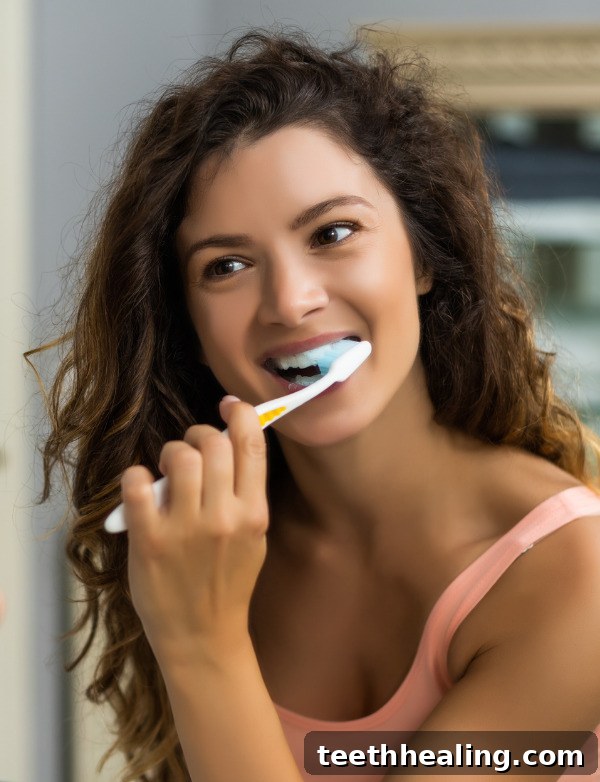
- Brushing Twice Daily: Commit to brushing your teeth every morning and night for at least two minutes each time. This removes food particles, plaque, and bacteria that accumulate throughout the day and night.
- Selecting the Right Toothbrush: Always opt for a soft-bristled toothbrush to prevent damage to your enamel and gums. Whether you prefer a manual or electric toothbrush, ensure it’s comfortable to use and effectively cleans all surfaces.
- Maintaining Your Toothbrush: After each use, rinse your toothbrush thoroughly under running water to remove any lingering toothpaste or debris, then allow it to air dry in an upright position.
- Regular Toothbrush Replacement: Toothbrushes wear out over time, becoming less effective at cleaning. Replace your toothbrush (or brush head for electric models) every three to four months, or sooner if the bristles become frayed or if you’ve been sick.
Consistency and proper technique, which we will elaborate on, are paramount to maximizing the effectiveness of your brushing routine.
4. Eliminate Tobacco Products and Limit Alcohol Consumption
The link between tobacco and excessive alcohol use and detrimental oral health conditions is well-established. These substances are major risk factors for a host of problems:
- Tobacco Products (Cigarettes, Cigars, Smokeless Tobacco): Tobacco is the leading cause of oral cancers, with smokers being six times more likely to develop throat or mouth cancer than non-smokers. It also significantly increases the risk and severity of gum disease, causes persistent bad breath, stains teeth, and impairs the mouth’s ability to heal after dental procedures.
- Alcohol Consumption: Heavy alcohol intake, especially of beverages high in sugar and acid, contributes directly to tooth decay and enamel erosion. Alcohol also has a dehydrating effect, leading to dry mouth (xerostomia), which further elevates the risk of cavities and gum disease. Beyond direct damage, alcohol is also a known risk factor for oral cancer, particularly when combined with tobacco use.
Quitting tobacco and moderating alcohol consumption are two of the most impactful steps you can take to protect your oral health and overall well-being.
5. Consult Your Healthcare Provider if Medications Cause Dry Mouth
Dry mouth, medically known as xerostomia, is a common side effect of many prescription and over-the-counter medications, including antihistamines, decongestants, pain relievers, diuretics, and antidepressants. As discussed earlier, reduced saliva flow significantly increases your susceptibility to tooth decay, gum disease, and oral infections.
If you’re experiencing persistent dry mouth due to medication, it’s crucial to consult your doctor. They may be able to adjust your dosage or switch you to an alternative medication that doesn’t have this side effect. If changing medications isn’t possible, there are strategies to manage dry mouth:
- Increase Water Intake: Sip water frequently throughout the day.
- Use Saliva Substitutes: Over-the-counter artificial saliva sprays or gels can provide relief.
- Chew Sugar-Free Gum: This stimulates saliva production.
- Avoid Irritants: Limit caffeine, alcohol, tobacco, and excessively salty or spicy foods, as these can exacerbate dry mouth symptoms.
- Use a Humidifier: A humidifier in your bedroom can help, especially at night.
6. Proactively Manage Diabetes to Protect Your Oral Health
Diabetes and oral health share a complex, bidirectional relationship. Individuals with uncontrolled diabetes are at a higher risk of developing gum disease (periodontitis), fungal infections, and dry mouth. High blood sugar levels can weaken the immune system, making it harder for the body to fight off oral infections, and can also contribute to inflammation in the gums.
Conversely, severe gum disease can make it more challenging to control blood sugar levels, creating a vicious cycle. If you have diabetes, diligent management of your condition is paramount to your oral health. This involves:
- Strict Blood Sugar Control: Work closely with your doctor to keep your blood glucose levels within the target range.
- Regular Dental Check-ups: More frequent dental visits might be recommended to monitor and manage any developing oral issues.
- Open Communication: Ensure both your dentist and doctor are aware of your diabetic status and are communicating about your overall health management.
By effectively managing your diabetes, you significantly reduce your risk of serious oral complications and contribute to your overall systemic health.
7. Contact Your Dentist Promptly for Unusual Oral Smells or Taste Changes
Your mouth often provides early warning signs of underlying issues. A persistent strange smell (halitosis) or a sudden, unexplained shift in taste can indicate the onset of various oral complications, some of which require immediate attention. These symptoms should never be ignored, as they could signal:
- Tooth Decay: Cavities can harbor bacteria, leading to foul odors and an altered taste.
- Gum Disease: Bacterial infections in the gums often produce unpleasant smells and can affect taste perception.
- Oral Infections: Abscesses or other infections can cause localized pain, swelling, and a distinct, often metallic or sour taste.
- Systemic Health Issues: In some cases, changes in taste or smell can be linked to broader health problems.
Do not attempt to self-diagnose or mask these symptoms with breath mints or mouthwash. Contact your dentist as soon as you notice any unusual or persistent changes to ensure a timely and accurate diagnosis and appropriate treatment.
8. Incorporate Therapeutic Mouthwash into Your Routine
While not a substitute for brushing and flossing, using a therapeutic mouthwash can be a beneficial addition to your daily oral hygiene regimen. Mouthwashes offer several advantages:
- Reduced Acid Levels: Many mouthwashes contain ingredients that help neutralize acids in the mouth, protecting enamel from erosion.
- Access to Hard-to-Reach Areas: Mouthwash can reach areas that your toothbrush and floss might miss, such as the back of your tongue, cheeks, and between teeth.
- Remineralization: Fluoride mouthwashes help strengthen tooth enamel and can even reverse early signs of decay by promoting remineralization.
- Germ Reduction: Antiseptic mouthwashes can help kill bacteria that contribute to plaque formation, gingivitis, and bad breath.
Choose an alcohol-free mouthwash to avoid potential drying effects, and consult your Kenmore dentist for recommendations on the best type of mouthwash for your specific oral health needs.
9. Significantly Reduce Your Intake of Acidic and Sugary Foods and Drinks
The foods and beverages you consume have a profound impact on your dental health. Acidic and sugary items are the primary culprits behind tooth decay and enamel erosion:
- Sugary Foods: When you consume sugar, the bacteria in your mouth feed on it and produce acids as a byproduct. These acids attack tooth enamel, leading to demineralization and eventually, cavities.
- Acidic Foods and Drinks: Foods and drinks high in acid (e.g., sodas, citrus fruits, vinegars, energy drinks) directly erode tooth enamel, making your teeth more susceptible to decay and sensitivity, even without the involvement of sugar.
The frequency of exposure matters more than the quantity. Constant snacking or sipping on sugary and acidic drinks prolongs the acid attack on your teeth, giving your enamel less time to recover. Limit these items to mealtimes, where saliva flow is higher and helps neutralize acids. If you do indulge, rinse your mouth with water afterward to help wash away residues and acids.
10. Make Nighttime Brushing an Unbreakable Habit Before Bed
Brushing your teeth every night before going to bed is arguably the most crucial step in your daily oral hygiene routine. Throughout the day, food particles, plaque, and bacteria accumulate on your teeth and along your gumline. During sleep, saliva production decreases significantly, meaning your mouth’s natural cleansing action is minimal. This creates an ideal environment for bacteria to thrive, produce acids, and begin their destructive work on your tooth enamel and gums.
By thoroughly brushing before bed, you effectively remove the day’s accumulation of debris, plaque, and harmful bacteria, giving your teeth and gums a clean slate for the long hours of sleep. Neglecting this routine dramatically increases your risk of developing cavities, gum inflammation, and bad breath. It’s a simple habit with profound, long-lasting benefits for your dental health.
11. Master Proper Brushing Techniques for Effective Cleaning
It’s not enough to simply brush; you must brush correctly to maximize effectiveness and avoid damage. Improper brushing can be ineffective at removing plaque or, worse, can cause gum recession and enamel abrasion. Follow these guidelines for optimal brushing:
- Choose the Right Brush: Always use a soft-bristled toothbrush to prevent irritation to your gums and erosion of your enamel.
- Angle Matters: Hold your toothbrush at a 45-degree angle to your gumline, aiming the bristles towards where the tooth and gum meet.
- Gentle, Short Strokes: Use gentle, circular, or short back-and-forth strokes, rather than aggressive scrubbing. Imagine “massaging” your teeth and gums.
- Cover All Surfaces: Systematically brush the outer surfaces, inner surfaces, and chewing surfaces of all your teeth. Pay extra attention to the back molars and the areas around any dental restorations.
- Don’t Forget Your Tongue and Gums: Lightly brush your tongue to remove bacteria that cause bad breath. Gently brush along your gumline to stimulate gum tissue.
- Duration: Aim for at least two minutes of brushing to ensure you’ve thoroughly cleaned all areas of your mouth. Many electric toothbrushes have built-in timers.
Proper technique ensures effective plaque removal without causing harm, leading to cleaner teeth and healthier gums.
12. Incorporate Daily Flossing into Your Oral Hygiene Regimen
Flossing is a non-negotiable component of a comprehensive oral hygiene routine, often overlooked but incredibly effective. Your toothbrush, no matter how advanced, cannot effectively clean the tight spaces between your teeth and beneath your gumline where food particles and plaque accumulate. Flossing addresses these critical areas:
- Plaque Removal: Floss physically removes plaque and food debris from between teeth and just under the gumline, preventing the development of interproximal (between-teeth) cavities and gum inflammation.
- Gum Stimulation: The gentle action of flossing helps stimulate gum tissue, promoting healthy circulation and reducing the risk of gingivitis.
- Preventing Bad Breath: By removing trapped food particles that can rot, flossing significantly contributes to fresher breath.
To floss effectively:
- Take about 18 inches of floss and wind most of it around your middle fingers, leaving an inch or two to work with.
- Hold the floss tightly between your thumbs and index fingers.
- Gently guide the floss between your teeth using a rubbing motion.
- Once the floss reaches the gumline, curve it into a “C” shape against one tooth.
- Slide it gently into the space between the gum and the tooth.
- Hold the floss tightly against the tooth and move it up and down, scraping plaque and food debris away.
- Repeat this process for the adjacent tooth and then for all teeth in your mouth, using a fresh section of floss for each tooth.
Make flossing a daily habit, ideally before bedtime, to achieve the cleanest and healthiest smile possible.
Achieve Your Best Dental Health with Your Kenmore Dentist
At Evolve Dental Kenmore, our dedicated team is passionate about empowering you with the knowledge and care needed to maintain exceptional oral health. If you require more personalized information on oral hygiene techniques, preventative care strategies, or wish to schedule a consultation, our experienced professionals are here to help. Contact our friendly team today or call us directly at 07 3720 1811 to embark on your journey to a healthier, brighter smile.